Finding winged insects in or around your Tulsa home can be alarming. Are they flying ants—or termites? While these pests may look similar at first glance, knowing the difference is essential. Ants are often a nuisance, but termites can silently damage your home’s structure, causing thousands of dollars in repair costs if left untreated.
At Emtec Pest Control, we’ve helped Tulsa homeowners and businesses identify and eliminate pests for over 40 years. Understanding the differences between ants and termites is the first step in protecting your property.
How to Tell if You’re Dealing with Termites or Flying Ants
Termites and flying ants are often confused because both can appear in swarms around the same time of year. While they look similar at first glance, their physical traits, diets, and the type of damage they cause are very different. Knowing how to identify which pest you’re dealing with is the first step to protecting your home from costly infestations. Use the tabs below to learn the key differences between termite swarmers and flying ants so you can spot the warning signs early.

Identifying Flying Ants
Flying ants—often carpenter ants—share some similarities with termites, but a closer look sets them apart. Flying ants have a narrow, pinched waist, bent or elbowed antennae, and two pairs of wings where the front wings are larger than the back. Unlike termites, they keep their wings after swarming.
Carpenter ants are usually black, reddish, or brown and are omnivores, eating a wide variety of foods including sugars, proteins, and other insects. Unlike termites, they don’t eat wood, but they tunnel into decaying wood to build nests. This burrowing can still result in costly damage to homes, though it typically progresses slower than termite destruction.
Swarming flying ants usually mean a colony is already nearby, since swarms occur once the colony has matured.

Identifying Termite Swarmers
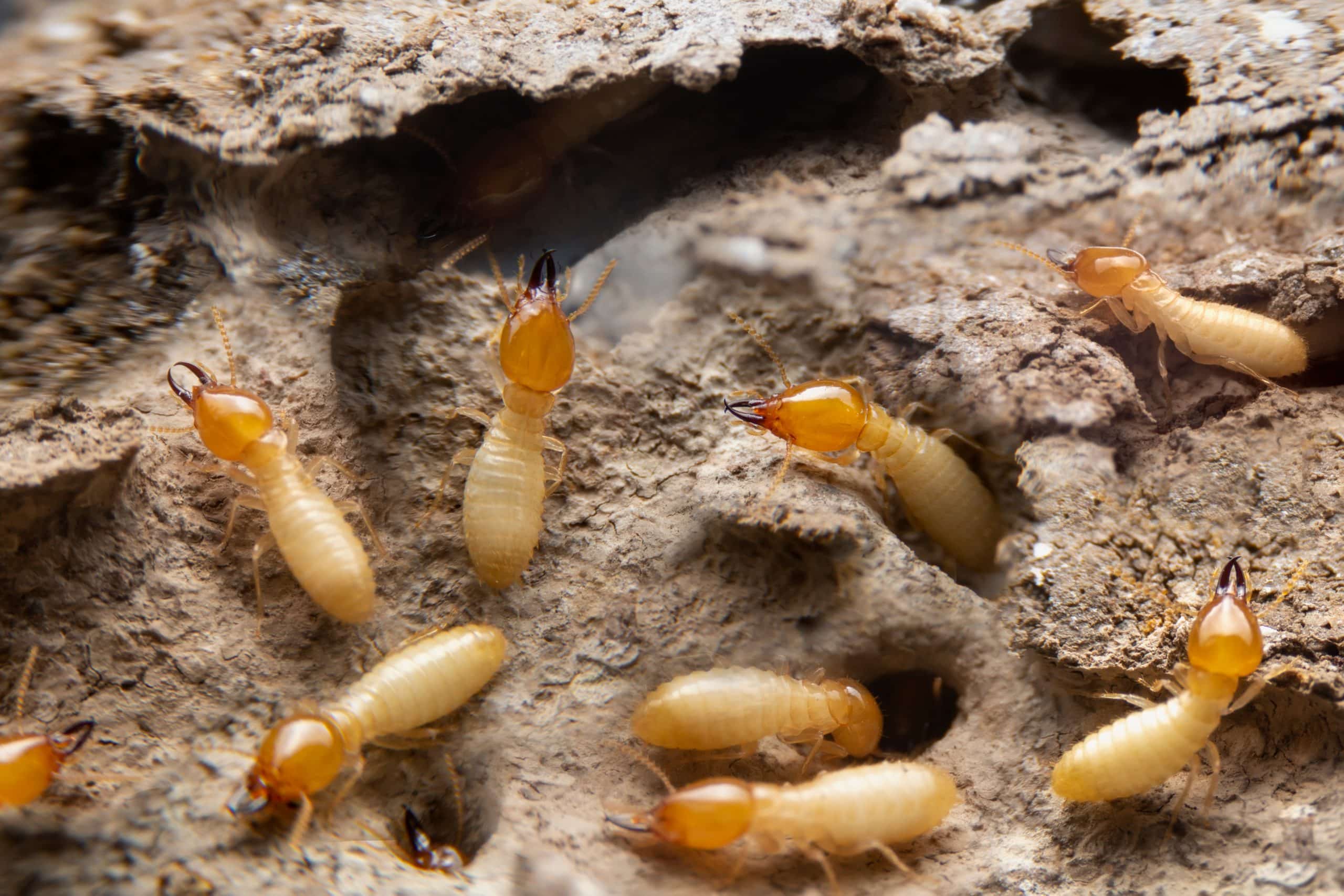
Termite swarmers can easily be mistaken for flying ants, but a closer look reveals key differences. Termites have a straight, tube-shaped waist, straight antennae, and four wings of equal size. One of the most reliable signs is that they shed their wings after mating, often leaving small piles near windowsills or doors.
These insects are typically dark brown or black and about ¼ inch long—roughly the size of a pencil eraser. Their diet consists of cellulose-based materials such as wood, paper, and plant matter. Because termites eat wood rather than just nesting inside it, they can cause serious structural damage if not controlled.
In Tulsa, swarms usually occur in the spring after rainfall. These reproductive termites, also called alates, are searching for new colony sites. Since most of their activity remains hidden, homeowners may not notice termites until damage has already occurred.
Signs of termite swarmers include:
Piles of shed wings near windows or doors
Small mud tubes along foundations or walls
Swarmers appearing indoors after rain
Behavior and Swarming Patterns
Both ants and termites are social insects, living in highly organized colonies. Termites have a king, queen, workers, and soldiers, while ant colonies include a queen and worker castes. Swarming is a natural reproductive behavior for both pests, and in Oklahoma, it often occurs during warm, humid months after rainfall.
One behavior unique to termites is the construction of mud tubes—pencil-sized tunnels made of soil and wood—that allow them to travel while avoiding predators and dry environments. Ants, on the other hand, forage widely and may establish satellite colonies to support the main nest.
Diet and Damage
Termites feed exclusively on cellulose, a substance found in wood, paper, and plants. Worker termites digest cellulose with the help of specialized gut bacteria and share nutrients with immature colony members through regurgitation. This constant feeding can weaken support beams, flooring, and walls, often without homeowners noticing until significant damage occurs.
Ants are omnivorous and opportunistic feeders. Their diet varies by species, but many feed on sugars, proteins, and other insects. Carpenter ants hollow out wood to build nests rather than consuming it, while other ants may invade homes in search of crumbs, pet food, or spilled liquids.
Key differences to remember:
Termites eat wood and can cause structural damage.
Ants mostly eat foods found in the home, but carpenter ants may tunnel into wood for nesting.
Termite swarms usually leave shed wings; ant swarms do not.
Why Correct Identification Matters
Distinguishing between ants and termites is crucial. Termites can cause serious structural damage that may require costly repairs, while ants, though often less destructive, may indicate an existing colony and lead to property issues if left untreated. Correct identification ensures that the right treatment plan is implemented.
How to Tell if You’re Dealing with Termites or Flying Ants
Even when you know the basic differences between ants and termites, spotting an infestation early isn’t always easy. Both pests are skilled at staying hidden until their colonies are well established. That’s why keeping an eye out for common warning signs can help you act before serious damage occurs.
Termite warning signs include:
Termites are often called “silent destroyers” because they can damage a home for months before homeowners realize there’s a problem. They feed on wood from the inside out, staying hidden in walls, crawl spaces, or soil. If you know what to look for, you can catch them before the damage becomes extensive.
Piles of discarded wings near windows, doors, or baseboards
Mud tubes along your foundation or basement walls
Wood that sounds hollow when tapped or shows blistering/bubbling paint
Ant warning signs include:
Ants are more noticeable than termites, especially when food or moisture attracts them indoors. While many ant species are mostly a nuisance, carpenter ants can still compromise wooden structures by tunneling through them. Spotting the signs early helps prevent a small colony from spreading into a bigger issue.
Ant trails leading to food or moisture sources in your home
Small piles of sawdust-like material (a byproduct of carpenter ants burrowing)
Active swarms of flying ants near entry points, especially in warmer months
Frequently Asked Questions
Look closely at the insect’s waist, antennae, and wings. Termites have a straight waist, straight antennae, and four equal wings that are shed after swarming. Ants have a pinched waist, bent antennae, and wings of unequal length that remain after swarming.
In Oklahoma, termite swarms typically occur in the spring after rainfall. Flying ants may swarm during warmer months depending on the species. Swarming indicates that reproductive insects are leaving a colony to start new nests.
Generally, flying ants do not consume wood like termites. However, carpenter ants may tunnel into wood to build nests, which can still lead to structural damage if left untreated.
Avoid disturbing the insects and call a professional. Early identification and treatment by a certified pest control company like Emtec can prevent serious damage.
While it’s impossible to seal every entry point, proper home maintenance, moisture control, and professional monitoring can significantly reduce the risk of infestations.
Yes. Subterranean termites are widespread across Oklahoma, including Tulsa. They thrive in the region’s climate and soil conditions, making professional prevention and monitoring essential.
Termites work quietly and can cause significant structural damage in just a few months if left untreated. Because their activity is often hidden, infestations may go unnoticed until damage becomes severe.
Not usually. Termites build colonies underground or inside wood, while ants typically nest in soil, walls, or decaying wood. However, both can enter homes through cracks in foundations, walls, or around windows and doors.
Common early signs include discarded wings, mud tubes along foundations, hollow-sounding wood, or bubbling paint. Spotting swarmers indoors is often one of the clearest red flags.
DIY treatments rarely eliminate colonies, especially with termites. Professional pest control ensures the entire colony is targeted and prevents the pests from returning.
Carpenter ants are larger than most common ant species and are known for burrowing into wood to build nests. Regular ants may be nuisance pests indoors but don’t cause structural damage.
Identify and Eliminate Pests Fast
Ready to take the guesswork out of identifying pests in your home? Call your local Emtec Pest Control Specialists today. Our trained technicians can help you determine whether you’re dealing with ants, termites, or both—and provide the right treatment plan to protect your property. You can schedule your free, no-obligation inspection online or by phone. Don’t wait until hidden pests cause costly damage—contact us today and let our experts help you safeguard your Tulsa home or business.