
Summer in Oklahoma is known for its hot temperatures, high humidity, and occasional heavy rainfall. While these conditions make for a classic summer experience, they also create the perfect environment for many pests to thrive. Understanding how Oklahoma’s summer heat influences pest activity and behavior is crucial for homeowners who want to protect their homes and families from unwanted infestations.
In this blog post, we’ll explore the impact of the summer climate on common pests in Oklahoma, discuss how these pests adapt to the heat, and share why summer is a critical time for proactive pest control.
Oklahoma’s Summer Climate: A Perfect Storm for Pests
Oklahoma summers, especially in July and August, often bring sweltering heat with daytime temperatures regularly climbing into the 90s and sometimes even above 100 degrees Fahrenheit. Combined with high humidity levels, this creates an environment where many pests feel right at home.
In addition to heat and humidity, summer rains often leave behind standing water—ideal breeding grounds for insects such as mosquitoes and ants. The interplay between these weather factors fuels pest reproduction and activity, making summer the peak season for pest infestations.
How Heat Changes the Behavior of Common Oklahoma Pests
Ants are some of the most common and persistent pests in Oklahoma homes during summer. When temperatures soar, ants adjust their daily routines to avoid the extreme midday heat. They often become more active during the cooler early mornings and late evenings when foraging for food.
In addition, ants tend to deepen their nests underground to escape the surface heat. This behavior can make it harder to detect their colonies and means that pest control treatments need to reach deeper soil layers to be effective.
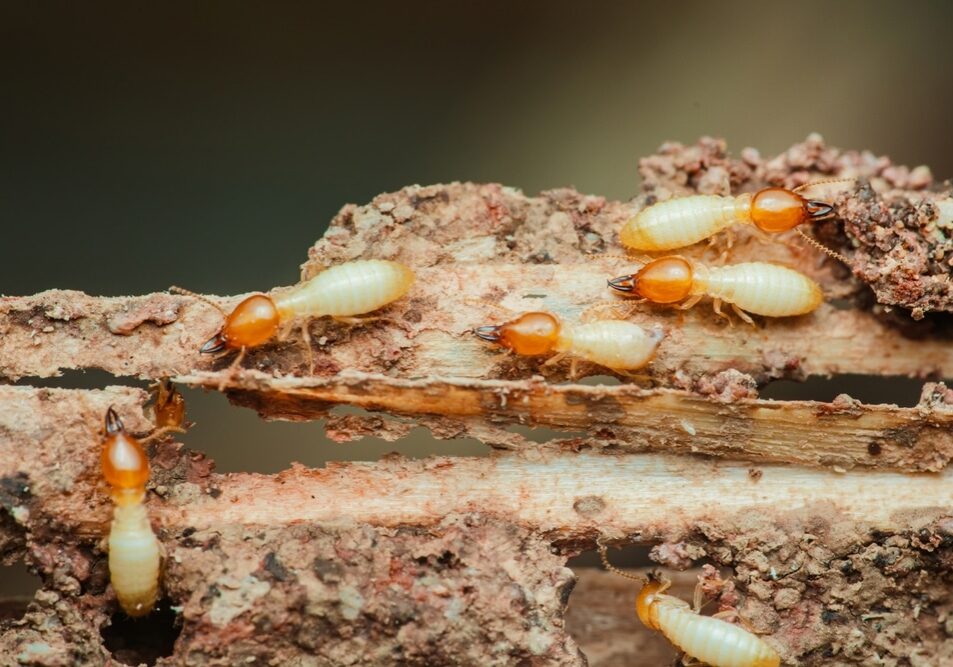
Termites are a serious concern for Oklahoma homeowners year-round, but summer heat brings increased termite activity. Warm, moist conditions accelerate termite colony growth, and the hot summer months often trigger termite swarming. During swarming, winged reproductive termites leave their colonies in search of new places to establish nests—sometimes your home!
Termites thrive in warm environments where moisture is available. Summer rains combined with heat create the perfect habitat for these wood-destroying pests, making regular termite inspections and preventative treatments essential in summer.
Mosquitoes are notorious for being one of the most irritating summer pests. Their populations explode in summer due to the combination of heat, humidity, and abundant standing water left by rainfall or irrigation.
Heat speeds up the mosquito life cycle, allowing larvae to mature quickly and increasing the number of adult mosquitoes. Mosquitoes are also more aggressive in hot weather, seeking out human hosts to feed on. This makes summer not only uncomfortable but also risky, as mosquitoes can transmit diseases like West Nile virus.
While rodents are active year-round, summer heat influences their behavior significantly. During hot days, rodents such as mice and rats tend to seek cooler, sheltered spaces, which often means moving indoors.
Their foraging patterns may shift to the cooler parts of the day or night, but their need for food and water remains constant. As they invade homes in search of relief from the heat, rodents can cause property damage and contaminate food supplies.
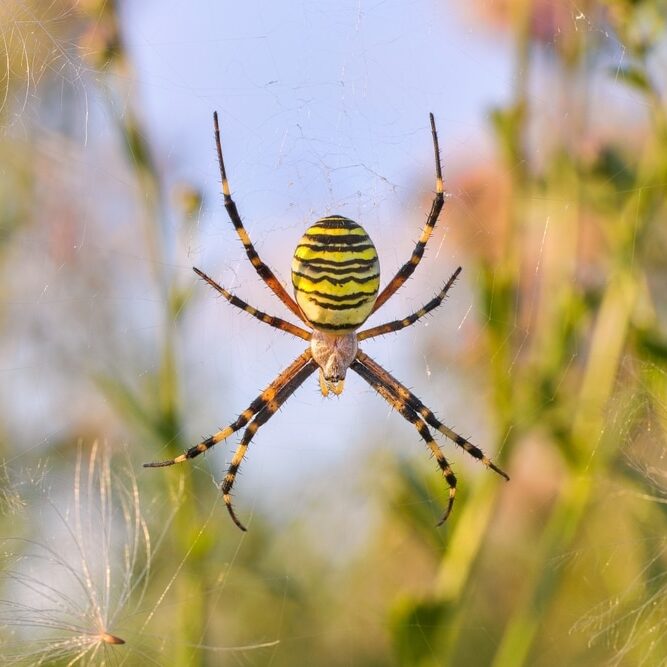
Spiders become more visible during the summer as they increase hunting activities and build webs to catch prey. The heat supports higher populations of insects, which in turn sustains more spiders.
Similarly, wasps are highly active during summer months, building nests and defending their territory aggressively. Warm weather can make wasps more territorial and increase their nesting frequency around homes and gardens, leading to potential stings and safety concerns.
The Impact of Summer Heat on Pest Populations
Higher summer temperatures contribute to faster reproduction rates for many pests. For example, mosquito larvae develop more quickly in warm water, and ants can increase colony expansion during hot weather. This rapid reproduction often results in large population spikes in a short period, overwhelming homeowners.
In addition, heat stress and drought conditions can drive pests to migrate closer to human habitats in search of food, water, and shelter. For instance, rodents may move indoors to escape the heat and scarcity of outdoor resources.
These changes highlight why summer is a critical period for pest activity and why pest control during this season requires careful attention and expertise.
Challenges of Pest Control in Oklahoma Summers
Controlling pests during the summer presents unique challenges. Rapid reproduction cycles mean that infestations can grow quickly, requiring timely intervention.
Moreover, the heat can limit the effectiveness of some pest control treatments. For instance, applying treatments during the hottest parts of the day can reduce their longevity and efficiency. That’s why pest control professionals often recommend scheduling treatments during early mornings or evenings when temperatures are cooler.
Moisture management is another crucial challenge. Standing water and high humidity contribute to pest breeding, so eliminating water sources is a key part of any summer pest control plan.
Proactive Pest Management Strategies for Summer Heat
To effectively combat summer pests, homeowners should adopt proactive pest management strategies. Regular inspections are essential to detect early signs of infestations, especially for hidden pests like termites and ants.
Integrated Pest Management (IPM) approaches that combine chemical, biological, and mechanical methods offer environmentally responsible and effective pest control tailored to summer conditions.
Homeowners can also reduce pest attractants by eliminating standing water, sealing cracks and entry points, and maintaining tidy landscaping that discourages pests from nesting near the home.
At Emtec Pest Control, we are committed to safe and responsible pest control. We understand that your family’s safety is your number one priority, so we make it our priority, too.
If you have any other questions about any of these pests or pest control for your home or business, contact your Oklahoma pest control experts at Emtec Pest Control by calling us or by filling out our online contact form.