
Are pests turning your garden into their feast? Every gardener faces this challenge. This article will show easy ways to keep bugs away from your plants without using harsh chemicals.
Learn how, with Emtec Pest Control's help.
Reasons for Pest-Proofing Your Garden
Protecting your plants from damage and avoiding the need for harmful pesticides are important reasons for pest-proofing your garden. Implement natural strategies and other preventive measures to keep bugs out of your garden and maintain a healthy, thriving environment for your plants.
Protecting plants from damage
Pests can wreak havoc in your garden, targeting everything from tomatoes to apple trees. Emtec Pest Control knows that insects like aphids and japanese beetles are more than just a nuisance; they cause serious harm to plants, leading to weakened gardens that struggle to thrive.
By implementing Integrated Pest Management (IPM), we focus on sustainable ways to deter pests without relying solely on chemical sprays. This method includes cultural practices such as crop rotation and attracting beneficial insects with pollinator gardens.
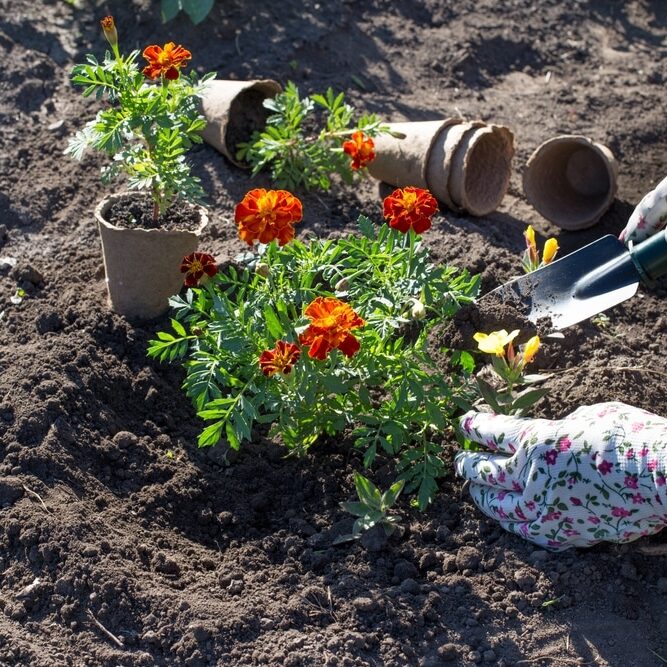
To safeguard your vegetable garden or flowerbeds, consider natural pest control methods. Adding companion plants like marigolds can deter pesky bugs while inviting lacewings and parasitic wasps, nature's own pest controllers.
Neem oil and insecticidal soap are gentle yet effective treatments against invaders without harming beneficial pollinators like honeybees. Shifting towards non-chemical strategies protects your plants and contributes to a healthier ecosystem in your backyard.
As we move away from toxic solutions, exploring other avenues for keeping bugs at bay is essential.

Avoiding the use of harmful pesticides
Protecting your plants from damage often leads to the consideration of using chemicals. Yet, harmful pesticides can risk our health and harm the environment by contaminating our water, soil, and air.
Emtec Pest Control encourages homeowners to explore safer methods that keep gardens thriving without these dangers.
Choosing non-chemical methods such as biological insecticides or organic gardening practices helps avoid the pitfalls of traditional pesticides. For example, introducing beneficial insects like hoverflies or using bacillus thuringiensis (bt) targets garden pests while keeping the ecosystem balanced.
Organic solutions like diatomaceous earth also deter pests without posing risks to wildlife or humans, maintaining a safe space for pollinators essential for a healthy garden ecosystem.
These strategies allow homeowners to nurture their lawns and gardens in harmony with nature's systems without relying on hazardous substances.
Natural Strategies for Keeping Bugs Out of Your Garden
Companion planting, attracting beneficial insects, using natural remedies, and maintaining plants through pruning are effective ways to keep bugs out of your garden. Encouraging a balanced ecosystem in your garden can help control pests and reduce the need for harmful chemicals.
Planting different plants together, known as companion planting, works wonders in pest control. For instance, dill acts as a shield for broccoli, keeping pests at bay without the need for bug sprays.
This method confuses harmful insects and also invites good ones to your garden. By mixing flowers and herbs with vegetables, you create a welcoming space for pollinators and natural predators of pests.
Using this strategy helps reduce the reliance on weed killers and chemical pesticides that can harm the environment. Emtec Pest Control supports such organic practices by suggesting effective plant pairs that deter unwanted visitors in your garden.
This approach protects your plants from mealybugs and tomato hornworms and promotes a healthier ecosystem right in your backyard.
Attracting beneficial insects is vital for a thriving garden. Planting native flowers of different sizes and shapes can attract a variety of helpful insects. These plants provide natural enemies with food in the form of prey insects, pollen, and nectar.
Understanding the life cycles of these beneficial bugs is crucial for effective pest control.
Beneficial insects play a key role in maintaining a balanced ecosystem in your garden by naturally controlling pests. Strategically planting to support their presence encourages pollination and helps sustain a healthy environment without relying on harmful pesticides or chemicals.
Natural remedies offer effective and safe options for pest control in your garden. Food-grade diatomaceous earth and garden lime are natural remedies that can be used to repel pests like fleas, beetles, and caterpillars without harming plants or the environment.
In addition, planting marigolds can help keep destructive insects such as aphids away from your plants. Alliums like onions, garlic, and chives also act as natural repellents due to their strong odor.
Furthermore, if you're concerned about termites at home or in a business space, Emtec Pest Control provides immediate service for termite control with a money-back guarantee on their services.
They also offer free whole-home or business pest control evaluations tailored towards protecting the environment while providing efficient solutions.
To maintain a healthy and pest-resistant garden, it's important to focus on pruning and maintaining plants regularly. Proper pruning not only encourages strong plant growth but also removes diseased or infested areas.
Regular maintenance reduces the risk of attracting pests to your garden, ensuring the overall health of your plants.
Gardeners can scout for insects during morning and evening walks in the garden. Hand-picking insect pests is an easy way to control them, minimizing the need for chemical intervention.
Moreover, Emtec Pest Control offers preventative pest control program services to ensure pests do not return, providing homeowners with peace of mind when tending to their gardens.
Other Ways to Keep Pests Out
Use covers, rotate crops, encourage natural predators, and maintain garden cleanliness to keep pests out. For more strategies, read on.
Crop rotation
Rotating crops breaks the pest life cycle, disrupts breeding patterns, and enhances soil health. Different crops attract different pests, minimizing their impact. Farmers have used crop rotation for centuries to manage pests and maintain soil fertility while improving overall agricultural productivity.
Using covers
Using covers is a highly effective way to protect your garden from pests. Cover crops have been shown to reduce pest density and crop damage more effectively than insecticide applications.
Through careful attention to cultivar choice, cover crops can significantly reduce infestations in your garden, providing a natural and sustainable approach to pest control. Emtec Pest Control offers free evaluations for homes and businesses, ensuring that you receive the best guidance on using covers for pest-proofing your garden.
By incorporating cover crops, homeowners can safeguard their gardens from pests while also reducing the need for harmful pesticides or costly treatments. With this approach, homeowners
can enjoy a flourishing garden while promoting environmental sustainability and supporting natural pest control methods.

Encouraging natural predators
Encouraging natural predators in your garden can be a highly effective strategy for controlling pests. Lady beetles, spiders, lacewings, and dragonflies are all-natural enemies that help keep pest populations in check.
In addition to these beneficial insects, parasitoids such as wasps and flies lay eggs in or on their prey, effectively reducing pest numbers. Emtec Pest Control has extensive experience identifying and exterminating various spider species in gardens to ensure the ecosystem remains balanced.
By attracting natural predators like lady beetles and lacewings through thoughtful planting choices and garden maintenance practices, homeowners can establish a healthy balance that minimizes the need for chemical pesticides while safeguarding plants from damaging pests.
Keeping the garden clean
Regularly removing fallen leaves, debris, or decaying plant matter is crucial in pest-proofing your garden. These are breeding grounds for pests and can attract unwanted insects. Keeping the garden clean also involves inspecting and sealing cracks around foundations, windows, and doors to prevent pests from entering the area.
Emtec Pest Control offers free evaluations to help homeowners identify potential problem areas in their gardens.
By maintaining a clean outdoor environment, you can minimize the risk of infestations and protect your plants from damage. This simple practice aligns with organic gardening principles and reduces the need for hazardous pesticides while promoting a healthy ecosystem within your garden space.
Conclusion
Pest-proofing your garden is essential to protect your plants from damage and reduce the use of harmful pesticides. Natural strategies such as companion planting, attracting beneficial insects, and using natural remedies can effectively keep bugs out.
Other methods like using covers, encouraging natural predators, and maintaining a clean garden also play a significant role in pest control. Emtec Pest Control provides tailored solutions to meet individual needs for both residential and commercial properties by offering preventative pest control services with courteous employees having over 15 years of experience.
At Emtec Pest Control, we are committed to safe and responsible pest control. We understand that your family’s safety is your number one priority, so we make it our priority, too.
If you have any other questions about any of these pests or pest control for your home or business, contact your Oklahoma pest control experts at Emtec Pest Control by calling us or by filling out our online contact form.