
As the temperatures begin to drop and the crisp air of fall rolls in, many homeowners are busy preparing their homes for the winter ahead. But while you’re focused on heating systems, cozy blankets, and holiday plans, there’s another seasonal concern that shouldn’t be overlooked: rodents seeking shelter indoors. Mice, rats, and other pests are opportunistic creatures that thrive in the colder months, often making their way inside homes to find food, warmth, and nesting sites.
At Emtec Pest Control, we know how disruptive (and dangerous) rodent infestations can be. Beyond the nuisance factor, these pests carry diseases, chew through wires, and can contaminate your food supply. The good news? With proper prevention strategies and professional support, you can stay one step ahead.
This guide will walk you through why rodents move in when temperatures drop, how to spot the early signs of an infestation, and—most importantly—the expert steps Emtec recommends for rodent-proofing your home before cold weather hits.
Why Rodents Head Indoors During Cold Weather
When the first signs of fall and winter arrive, rodents go into survival mode. Their natural food sources—like seeds, plants, and insects—become scarce, and dropping temperatures make life outdoors less tolerable. Your home suddenly becomes the perfect retreat:
- Food supply – Kitchens, pantries, and even pet food bowls provide easy access to nourishment.
- Warmth – Attics, basements, and wall voids offer insulation against the cold.
- Shelter – Hidden spaces provide ideal nesting areas away from predators.
Unfortunately, once rodents find their way inside, they rarely leave on their own. That’s why prevention is critical before the cold weather sets in.
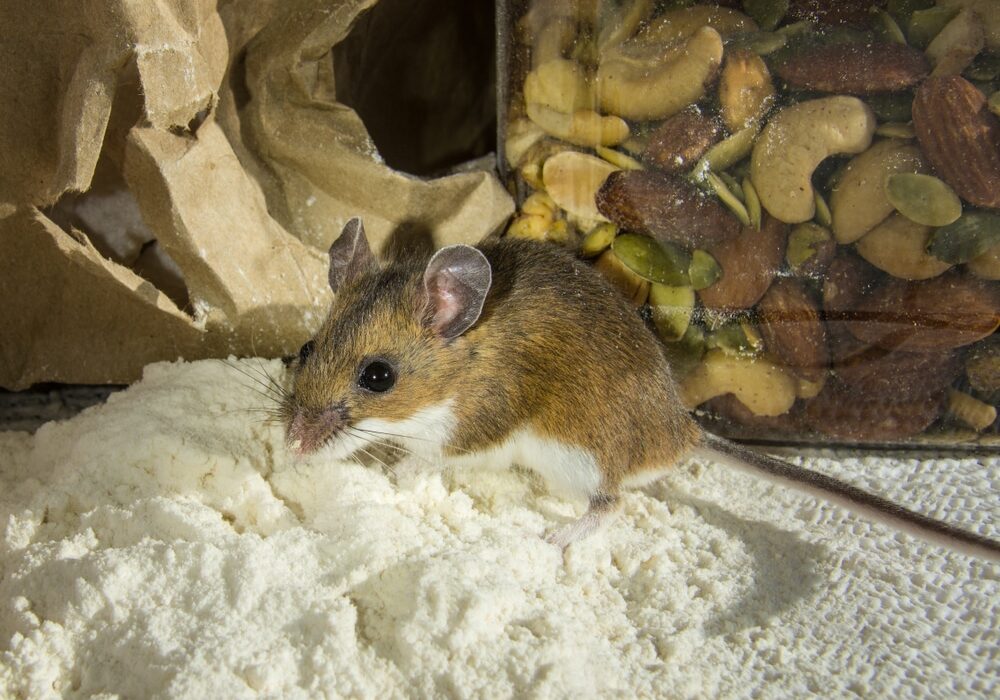
The Risks of a Rodent Infestation
Rodents aren’t just an inconvenience. They pose real risks to your home and family:
-
Health Concerns
Mice and rats can carry diseases like hantavirus, salmonella, and leptospirosis, which can spread through droppings, urine, or contaminated food.
-
Structural Damage
Rodents are notorious for chewing through wood, drywall, and even electrical wiring—creating potential fire hazards.
-
Rapid Reproduction
A single pair of mice can produce dozens of offspring in a year, quickly turning a small issue into a full-blown infestation.
-
Contamination
Rodents often leave droppings and urine trails behind, contaminating food and surfaces.
Addressing the problem before rodents get in is far more effective than trying to eliminate an infestation after it’s established.
Identifying Signs of Rodent Activity Early
Even the most well-kept homes can attract rodents. Catching the problem early is key. Watch for these common signs of rodent activity:
- Small, pellet-shaped droppings in corners, cabinets, or under sinks
- Chew marks on wood, wires, or food packaging
- Scratching or scurrying noises in walls, attics, or ceilings
- Greasy rub marks along baseboards where rodents travel
- Nests made from shredded paper, fabric, or insulation
- Strong, musky odors in enclosed spaces
If you notice these indicators, it’s time to take immediate action before the problem escalates.

Rodents are surprisingly resourceful when it comes to sneaking inside. Mice can fit through openings as small as a dime, while rats only need a quarter-sized gap. A thorough inspection of your home’s exterior should be your first line of defense:
- Check foundations, walls, and siding for cracks or gaps.
- Inspect around doors and windows for worn weather stripping or unsealed spaces.
- Look at utility lines and vents where cables or pipes enter your home.
- Examine the roofline and attic vents for gaps rodents could exploit.
Once identified, seal entry points with materials that rodents can’t chew through, like steel wool, metal mesh, or concrete. Caulk alone won’t cut it—rodents can easily gnaw through softer materials.
Your kitchen may feel like a five-star restaurant to a hungry mouse. To make your home less appealing, practice proper food storage and cleanup habits:
- Store pantry items in airtight, rodent-proof containers.
- Wipe counters and sweep floors regularly to eliminate crumbs.
- Don’t leave pet food out overnight.
- Empty trash cans frequently and use bins with tight-fitting lids.
- Clean under appliances where food debris often collects.
By cutting off easy access to food, you dramatically reduce your home’s attractiveness to rodents.
Rodents don’t just need food—they also need cozy spaces to nest. Reducing clutter inside and outside your home goes a long way:
- Store firewood at least 20 feet away from the house.
- Trim back shrubs and trees that touch your home’s exterior.
- Organize storage areas, keeping items in sealed bins rather than cardboard boxes.
- Keep basements, attics, and garages well-ventilated and dry.
Rodents thrive in messy, undisturbed areas. A clean, organized space makes it much harder for them to settle in.
Your yard is the first line of defense. Certain landscaping habits can invite rodents closer to your home. Instead, consider these rodent-proofing strategies:
- Avoid dense groundcover like ivy that provides shelter.
- Keep grass trimmed short to minimize hiding spots.
- Remove fallen fruit or nuts promptly.
- Seal compost bins and keep them away from the house.
By making your yard less appealing, you decrease the chances of rodents ever approaching your home in the first place.
Pest control isn’t just a one-time task. Ongoing seasonal maintenance helps you stay ahead of rodent problems year after year:
- Reinspect entry points each fall and winter.
- Refresh weather stripping and door sweeps as needed.
- Monitor attics, crawl spaces, and basements for droppings or chew marks.
- Schedule regular professional inspections for peace of mind.
Staying proactive is far easier (and less stressful) than dealing with a rodent infestation in the middle of winter.
While DIY steps are important, there are limits to what homeowners can achieve on their own. Professional pest control services like Emtec’s expert rodent-proofing approach provide lasting protection:
- Thorough Inspections – Identifying vulnerabilities you might overlook.
- Customized Solutions – Tailoring strategies to your home’s unique layout.
- Safe and Effective Treatments – Using proven products and techniques.
- Ongoing Monitoring – Ensuring your home remains rodent-free year-round.
At Emtec, our team understands the habits of Oklahoma’s most common rodents and knows how to outsmart them. With decades of experience and a focus on prevention, we help homeowners rest easy, knowing their families and homes are protected.
Emtec’s Expert Rodent-Proofing Recommendations
Based on years of service across Oklahoma, here’s our professional checklist for rodent-proofing your home before winter:
- Seal all exterior gaps larger than a pencil.
- Use rodent-proof materials like steel wool, copper mesh, and hardware cloth.
- Keep kitchens and pantries clean and food sealed.
- Store firewood and outdoor clutter away from the house.
- Trim vegetation that provides easy access to the roofline.
- Schedule preventive inspections each fall.
This proactive approach greatly reduces your risk of an infestation.
At Emtec Pest Control, we are committed to safe and responsible pest control. We understand that your family’s safety is your number one priority, so we make it our priority, too.
If you have any other questions about any of these pests or pest control for your home or business, contact your Oklahoma pest control experts at Emtec Pest Control by calling us or by filling out our online contact form.