
I. Introduction
Every homeowner has encountered pests at some point—whether it’s the occasional ant marching through the kitchen or a curious mouse peeking out from behind the pantry. While many may dismiss these nuisances as mere inconveniences, the reality is that unmanaged pests can pose significant health risks to you and your family. This blog post will delve into the various health impacts associated with common household pests, highlighting the importance of proactive pest control.
II. Understanding Common Household Pests
Many types of pests can find their way into homes, each with unique behaviors and habitats. Familiarizing yourself with these common pests is the first step in recognizing potential health risks.
Cockroaches:
Found in warm, damp areas like kitchens and bathrooms, cockroaches thrive on decay and food scraps.
Rodents:
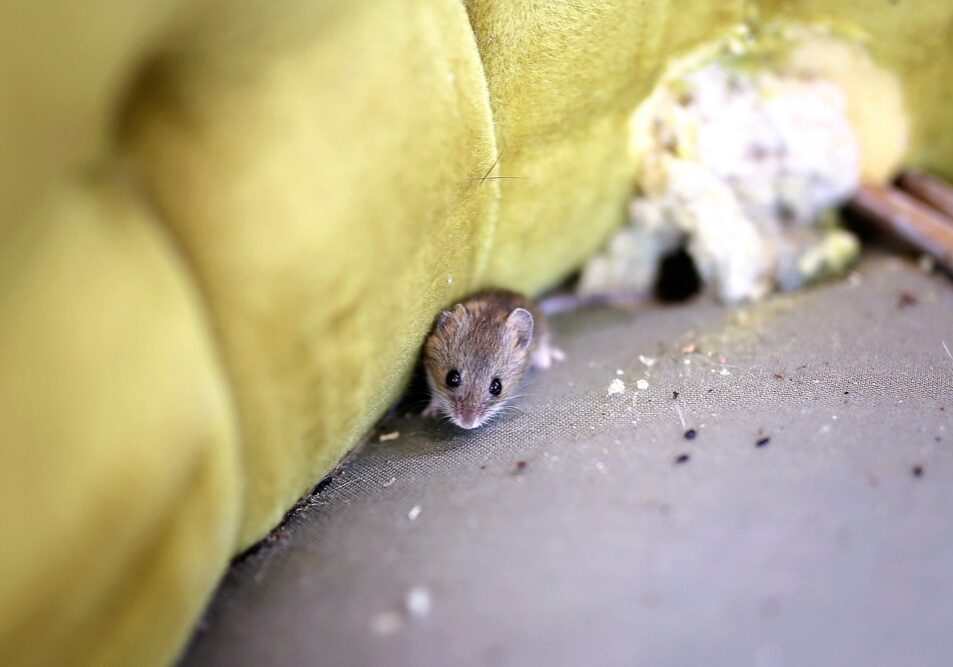
Mice and rats can squeeze through small openings, often nesting in walls, attics, and basements, searching for food.
Spiders:
While most are harmless, some species may bite if provoked, leading to discomfort or adverse reactions.
Ants:
Particularly in warmer months, various species invade kitchens in search of sweets or fats.
Stinging Insects:
Wasps and bees often make nests in eaves or garages, posing risks of painful stings, especially for allergic individuals.
III. Health Risks Associated with Specific Pests
- Allergens and Asthma Triggers: Cockroach droppings, saliva, and shed skins can exacerbate respiratory issues. In fact, research indicates that cockroach allergens are a significant asthma trigger, particularly in children.
- Disease Transmission: These bugs can carry pathogens, including Salmonella and E. coli. Their habit of scavenging through garbage and decaying matter means they can contaminate food and surfaces.
- Transmission of Diseases: Rodents are known carriers of numerous diseases such as hantavirus and leptospirosis. These diseases can lead to severe health complications and, in some instances, be fatal.
- Food Contamination: Rodents often gnaw through packaging, contaminating food with their urine, droppings, and saliva, making it unsafe to consume.
- Bacterial Contamination: Ants can harbor bacteria that contaminate food and surfaces they crawl over. For instance, certain species are known to carry pathogens that can cause foodborne illnesses.
- Bites and Allergic Reactions: Some ant species, like fire ants, deliver painful bites that can lead to allergic reactions in sensitive individuals.
- Venomous Species: Certain spiders, such as black widows and brown recluse spiders, can pose serious health threats. Their bites may require medical attention and can result in severe pain and complications.
- Insect Stings: Wasps and bees can be especially dangerous to those who are allergic. A single sting can lead to anaphylactic shock, a life-threatening condition requiring immediate treatment.
IV. Signs of Pest Infestation
Recognizing the signs of pest activity early is crucial in preventing health risks.
Droppings and Urine Stains:
Small droppings or dark spots near food sources or in hidden areas (like cabinets) can indicate pest activity, particularly from rodents or cockroaches.
Visible Pests:
Spotting pests themselves is a clear sign of an infestation. Regular inspections can help catch problems early.
Nesting Materials:
Look for shredded paper, fabric, or wood shavings in concealed spaces, which may indicate rodent nests.
Unusual Noises:
Scratching sounds coming from walls or ceilings, especially at night, may be a sign of rodents.
V. Prevention and Management Strategies
Maintaining a pest-free home requires ongoing effort and vigilance. Here are some effective strategies:
- Regular Cleaning: Keeping your home clean significantly deters pests. Focus on kitchens and dining areas, ensuring that crumbs and spills are promptly cleaned.
- Proper Food Storage: Store food in airtight containers and ensure that perishables are refrigerated to eliminate food sources for pests.
- Waste Management: Regularly empty trash cans, seal them tightly, and compost responsibly to reduce attractants.
- Seal Entry Points: Inspect your home for gaps and cracks around windows, doors, and foundations. Seal these openings to prevent pests from entering.
- Reduce Clutter: Pests love hiding in clutter. Organize storage areas and reduce excess items that could provide shelter.
- Yard Maintenance: Regularly maintain your yard, trimming bushes and trees away from the home, and ensuring debris is cleared to make your property less inviting to pests.
- Importance of Regular Inspections: Pest control professionals can identify infestations that might go unnoticed by homeowners. Regular inspections can prevent future issues.
- Integrated Pest Management (IPM): This strategy relies on a combination of practices to manage pests sustainably. Professionals can tailor treatments to your home’s specific needs, minimizing risks to health and the environment.
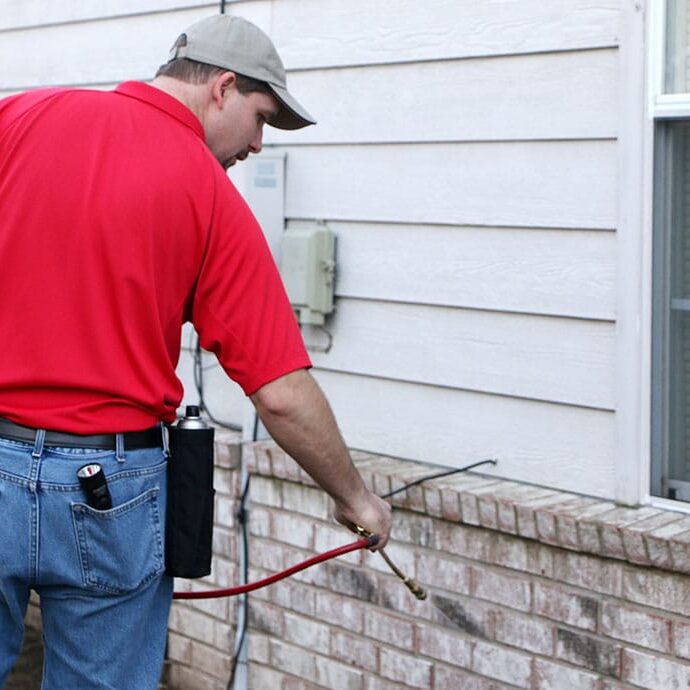
At Emtec Pest Control, we are committed to safe and responsible pest control. We understand that your family’s safety is your number one priority, so we make it our priority, too.
If you have any other questions about any of these pests or pest control for your home or business, contact your Oklahoma pest control experts at Emtec Pest Control by calling us or by filling out our online contact form.