
July is often one of the rainiest months in many parts of the country, including pest- prone areas like Oklahoma. While summer rains bring much-needed relief from the heat, they also create ideal conditions for pests to breed and thrive. For homeowners, understanding how July rainfall impacts pest activity is crucial for protecting your home and family from infestations.
In this post, we’ll explore how July’s wet weather influences common pests such as mosquitoes, ants, termites, rodents, and more. We’ll also share practical tips for reducing infestation risks during the rainy season and explain how professional pest control services adapt to these conditions.
July Rainfall Patterns and Environmental Effects
July typically brings a mix of heavy downpours and intermittent showers. In regions like Oklahoma, monthly rainfall can vary but often results in several inches of water accumulating across yards, gardens, and natural landscapes.
This rainfall significantly increases soil moisture, raises humidity levels, and leads to the formation of standing water in low-lying areas. Moisture is a key factor for many pests, providing the perfect environment for breeding, nesting, and survival.
The combination of warm summer temperatures and increased moisture sets the stage for rapid pest population growth. Standing water, in particular, becomes a hotspot for insect breeding, while damp soil and decaying plant matter attract other pests looking for food and shelter.
Effects of Rainfall on Pest Breeding Cycles
Mosquitoes are perhaps the most well-known pests affected by July rainfall. Female mosquitoes lay their eggs in stagnant water—anything from puddles and clogged gutters to birdbaths and plant saucers.
After heavy rains, the amount of standing water multiplies, providing abundant breeding grounds. Mosquito larvae develop rapidly in warm water, often maturing into adults in just 7-10 days. This rapid life cycle means that a single rainstorm can quickly lead to a spike in mosquito populations, increasing the risk of bites and mosquito-borne diseases such as West Nile virus.
Rainfall has a strong impact on ants and termites by increasing soil moisture and wood dampness, which are critical for their colonies’ growth and activity.
For ants, moist soil makes it easier to expand nests underground and create new colonies. After rains, ants often become more active in foraging for food, sometimes invading homes in search of dry shelter.
Termites thrive in warm, humid environments and rely on moisture to maintain their colonies. July rains can cause moisture buildup in wood structures, fences, and mulch beds, attracting termites and increasing the likelihood of infestations. Swarming events, where reproductive termites emerge to establish new colonies, are also more common following rainy periods.
Rodents such as mice and rats respond to rainfall differently but are equally impacted. Wet conditions can flood their outdoor nests and reduce food availability, pushing them to seek shelter indoors.
Homes with easy access points become targets for rodents looking for dry spaces to hide and forage. Rodents can damage insulation, wiring, and stored food, so preventing their entry is critical during rainy seasons.
Moisture also influences the activity of spiders, fleas, and flies.
- Spiders benefit indirectly from increased insect populations after rainfall, as their prey becomes more abundant.
- Fleas thrive in humid conditions, making lawns and pet bedding more susceptible during July’s rainy spells.
- Flies are attracted to decaying organic matter, which can accumulate in wet environments, increasing their numbers.

Rainfall-Driven Pest Infestation Risks for Homeowners
The increase in pest breeding during July rains translates to higher chances of pests invading homes. Moisture-laden environments soften soil and wood, making it easier for pests like termites and ants to enter and establish colonies.
Rainwater can also wash away protective barriers around foundations, leaving gaps for pests to exploit. Poor drainage can cause water to pool near the house, creating ideal breeding grounds right at your doorstep.
Homeowners may notice more frequent pest sightings after heavy rains, including:
- Ant trails indoors or near entry points
- Termite swarmers inside or near windows
- Mosquitoes congregating around standing water
- Rodent droppings or nesting materials in basements and crawl spaces
Recognizing these signs early is essential to prevent serious infestations.
Challenges in Pest Control During and After July Rainfall
Rainfall presents unique challenges for pest control treatments. Outdoor pesticide applications can be washed away by rain, reducing their effectiveness and requiring reapplication.
Waterlogged or muddy areas can limit technician access, delaying treatment in critical zones like foundations and yards. This makes timing essential — pest control is often best scheduled during dry spells between rain events.
Additionally, increased humidity can affect pesticide persistence, while wet vegetation may prevent sprays from adequately reaching pests.
Despite these challenges, professional pest control companies adapt by using weather- resistant formulations and planning follow-up visits to ensure lasting protection.
Preventative Measures and Best Practices for Homeowners
While rainfall can’t be controlled, homeowners can take several steps to reduce pest breeding and infestation risks during July:
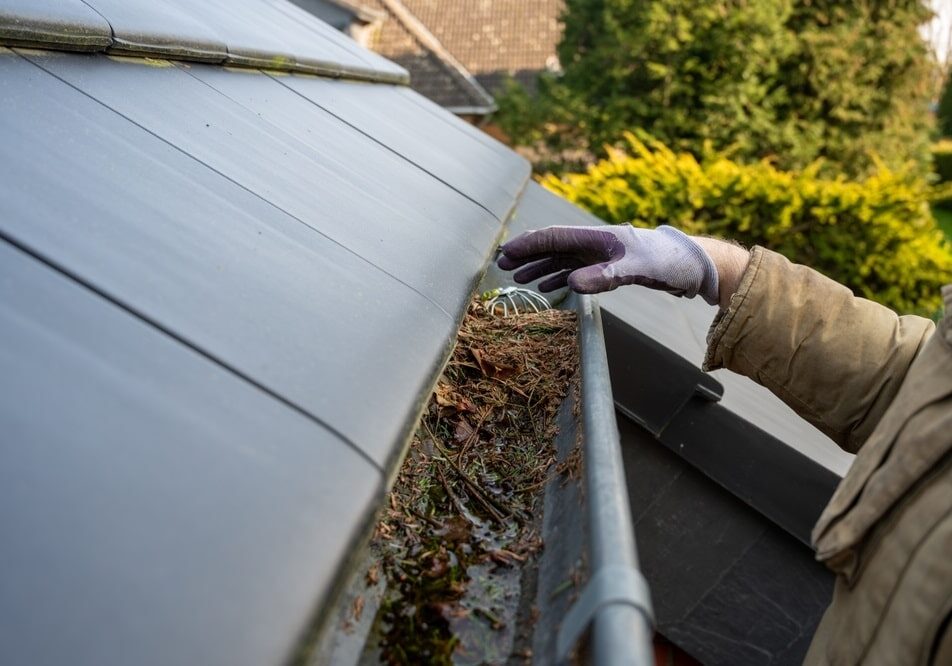
Regularly empty or treat birdbaths, flowerpot saucers, gutters, and other areas where water collects. Consider installing drainage solutions in low spots.
Ensure downspouts direct water away from the foundation and keep landscaping graded to prevent pooling.
Inspect your home for cracks, gaps, and holes in walls, doors, windows, and foundations. Seal these openings to block pest entry.
Trim shrubs and trees away from your home’s exterior to reduce moisture buildup and pest harborage areas.
Schedule professional pest inspections before and during the rainy season to catch early signs of infestation.
Keep trash bins sealed and away from the home, and clean up fallen leaves and debris that hold moisture.
By following these best practices, homeowners can significantly reduce pest problems associated with summer rains.
How Professional Pest Control Services Adapt to Rainy Conditions
Professional pest control companies understand the challenges July rainfall brings and use specialized strategies to protect your home:
-
Weather-Resistant Treatments:
Technicians apply formulations designed to withstand rain and remain effective longer.
-
Strategic Scheduling:
Pest control visits are timed to avoid heavy rain, with follow-up treatments planned after storms.
-
Targeted Approaches:
Experts identify and treat areas prone to moisture accumulation and pest activity that homeowners might miss.
-
Education and Support:
Professionals provide guidance on ongoing pest prevention tailored to your home’s specific needs and local climate conditions.
Working with a reputable pest control provider ensures your home receives customized protection even during Oklahoma’s wettest summer months.
At Emtec Pest Control, we are committed to safe and responsible pest control. We understand that your family’s safety is your number one priority, so we make it our priority, too.
If you have any other questions about any of these pests or pest control for your home or business, contact your Oklahoma pest control experts at Emtec Pest Control by calling us or by filling out our online contact form.