The plants most likely to repel bees and wasps are strong-smelling herbs: mint, lemongrass, scented geraniums (including the "citronella plant"), rosemary and thyme. In a field trial, oils from all five kept yellowjackets and paper wasps away from baited traps. There is a catch: a plant in a pot releases only a small fraction of the scent in a concentrated oil. Planted around a patio or deck, these herbs can make the space less inviting to wasps, but no plant will stop a colony from nesting under your eaves. And since flowers feed bees, where you plant them matters as much as what you plant.
What the research says
The best test we know of comes from a 2013 study in Pest Management Science by Zhang, Schneidmiller and Hoover. The researchers placed 21 essential oils next to baited wasp traps in the field. Seventeen of them significantly reduced catches of yellowjackets (mostly western yellowjackets) and paper wasps (mostly European paper wasps): clove, pennyroyal, lemongrass, ylang ylang, spearmint, wintergreen, sage, rosemary, lavender, geranium, patchouli, citronella, Roman chamomile, thyme, fennel seed, anise and peppermint. A blend of clove, geranium and lemongrass oils, with or without rosemary, completely blocked the wasps.
Keep three things in mind. The researchers worked for Sterling International, a company that makes wasp traps. They tested oils, not living plants. And they did not test honey bees or bumble bees. So the list below is the best-supported choice of plants, not a promise of a wasp-free yard.
5 plants that repel wasps
1. Mint (spearmint and peppermint)
Spearmint and peppermint oils were both on the repellent list. Mint grows well in Oklahoma with some afternoon shade and steady water, but it spreads aggressively, so grow it in containers. Pots of mint on a patio table or along the edge of a deck put the scent right where you sit. Crushing a few leaves releases more of it.
2. Lemongrass
Lemongrass oil was one of the three oils in the blend that completely blocked wasps. The plant is a tall, clumping grass that loves Oklahoma heat and full sun. It will not survive most Oklahoma winters outdoors, so grow it as an annual or in a large pot you can bring in. Citronella grass, the source of citronella oil, is a close relative.
3. Scented geraniums, including the "citronella plant"
Geranium oil was also in the three-oil blend. Scented geraniums (Pelargonium) carry those oils in their leaves, and the "citronella plant" or "mosquito plant" sold at garden centers is one of them, bred for a lemony smell. They do best in pots with well-drained soil and a few hours of sun. Brush the leaves as you walk by to release the scent. Pick red-flowered varieties of regular geraniums too: bees cannot see red.
4. Rosemary
Rosemary oil was on the list and was the fourth oil in the blend that blocked wasps. Rosemary is a woody, drought-tolerant herb that handles Oklahoma summers well. Protect it from hard freezes or grow it in a pot. Its small blue flowers do attract bees, so keep it a few steps from your seating.
5. Thyme
Thyme oil also made the list. Creeping thyme is a good edging plant between pavers and along walkways, where your steps release the scent. Like rosemary, it flowers, and the flowers bring bees.
Lavender and sage oils also repelled wasps in the trial. Both are excellent Oklahoma plants, but both are bee magnets in bloom, so they belong at the edge of the yard rather than next to the back door.
What about basil, marigolds and citronella?
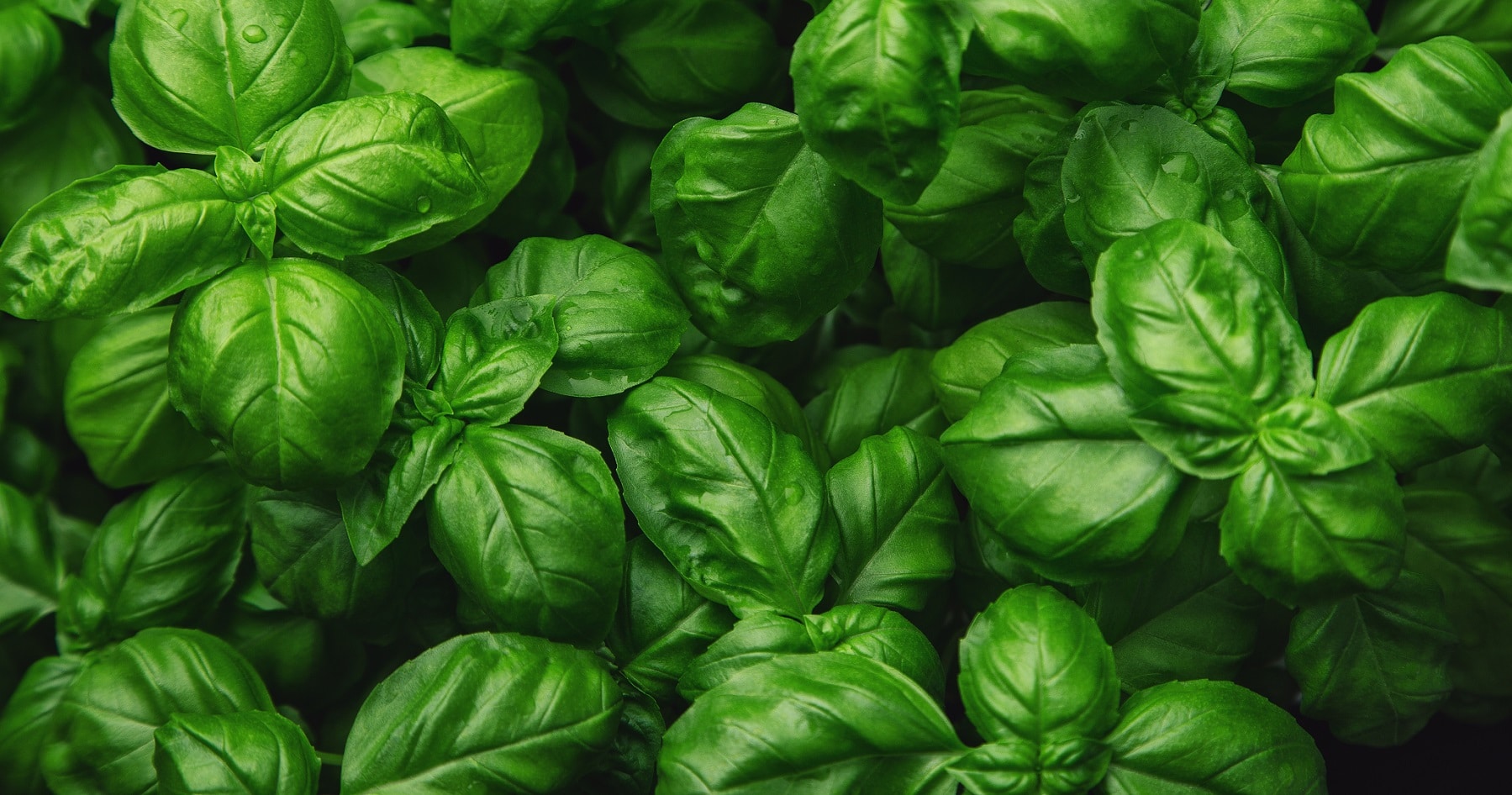
- Basil: basil oil was not part of the trial, and we could not find any test showing basil repels wasps. Basil flowers attract bees, so pinch off the flower spikes if it grows near the patio. It is still a great herb to grow.
- Marigolds: there is no test showing marigolds repel wasps, and bees visit marigold flowers. Plant them for color, not for wasp control.
- Citronella: citronella oil repelled wasps in the trial, but a citronella plant is a scented geranium with a modest scent. There is no good evidence it keeps bees away.
- Cucumber slices, dryer sheets and similar tricks: we know of no research showing these work.
Do you really want to repel bees?
Bees pollinate fruit trees, vegetables and flowers, and honey bees are protected in Oklahoma. Most bees at flowers ignore people. The better goal is to keep stinging insects away from the places you sit, eat and play, not out of the whole yard:
- Put heavy bloomers, such as lavender, clover, salvia and flowering herbs, at the far edges of the yard.
- Keep leafy, strongly scented herbs in pots near doors, decks and patio tables.
- Mow clover in the lawn before it flowers if kids play barefoot.
Wasps are not all bad either. Oklahoma State University Extension describes paper wasps as efficient predators of caterpillars, and many tiny wasps are natural enemies of garden pests.
What works better than plants
Wasps come to a yard for food, water and shelter. Cutting those off does more than any herb:
- Cover food and drinks outside, and clean up spills and scraps.
- Keep trash and recycling closed and away from the patio.
- Pick up fallen fruit.
- Skip perfume and scented products on days you will be outdoors, and wear muted colors. See what colors attract wasps.
- Check the eaves, porch ceiling, deck rails and playset in spring and knock down small nests early.
- Have nests near doors and seating treated. See our wasp control guide.
Not sure what is buzzing around your garden? The Oklahoma wasp and bee ID guide will help you tell a gentle bee from a yellowjacket.
Wasp exterminator in Tulsa and Oklahoma City
Plants can make a patio less appealing, but they will not move a nest. When wasps have already moved in, call an exterminator. Emtec Pest Control has been Oklahoma's wasp exterminator since 1979. We find and treat the nest and the eaves, soffits and porches where wasps build, so you can get your yard back. We serve Tulsa, Broken Arrow, Owasso, Jenks, Bixby, Sand Springs, Sapulpa, Stillwater, Oklahoma City, Edmond and nearby towns. Learn about our preventative pest control or contact us.
Frequently Asked Questions
Does citronella repel bees?
There is no good evidence that a citronella plant keeps bees away. Citronella oil was one of the oils that repelled yellowjackets and paper wasps in a field trial, but that was concentrated oil, and the study did not test honey bees or bumble bees. The potted "citronella plant" sold in garden centers is a scented geranium, and bees will visit its flowers.
Does basil repel wasps or bees?
We could not find any test showing that basil repels wasps, and basil oil was not part of the field trial on wasp repellents. Basil in bloom is busy with bees, so if you grow it near the patio, pinch off the flower spikes.
Do geraniums repel wasps?
Geranium oil was one of the strongest wasp repellents in the field trial, and it was part of a three-oil blend that completely blocked wasps from baited traps. Scented geraniums, whose leaves carry that oil, are the plant version. Red geranium flowers are also unattractive to bees, which cannot see red.
What flowers do not attract bees and wasps?
Bees cannot see red, so red flowers draw fewer of them. Flowers with little nectar or pollen, and plants grown for leaves rather than blooms, attract fewer bees and wasps in general. Keep heavy bloomers such as lavender, clover and flowering herbs away from doors and seating.
Will plants get rid of a wasp nest?
No. A repellent scent may keep foraging wasps from lingering, but it will not move a nest that is already built. A nest by the door or a yellowjacket hole in the lawn needs to be treated or removed.
Sources
- Essential oils and their compositions as spatial repellents for pestiferous social wasps (Zhang, Schneidmiller & Hoover, Pest Management Science, 2013) (opens in new tab)
- Essential oils and their compositions as spatial repellents for pestiferous social wasps (ESA 2012 presentation; author affiliations) (opens in new tab)
- What Colors Do Bees See? And How Do We Know? (opens in new tab)
- Paper Wasps, Yellowjackets and Other Stinging Wasps (EPP-7305) (opens in new tab)
- Beneficial Insects (EPP-7307) (opens in new tab)
- Insects and Scorpions at Work (opens in new tab)