
In Oklahoma, pests follow the thermometer. The first ants and clover mites show up in March, termites swarm from March through May, mosquitoes, ticks, chiggers and scorpions peak in summer, and fall brings boxelder bugs, lady beetles, cluster flies, spiders and mice looking for a way inside. Winter is quieter outdoors, but cockroaches, mice and termites keep working indoors and underground. This calendar shows what to expect each month around Tulsa, Oklahoma City and the rest of the state, and the one or two jobs that matter most before each wave arrives.
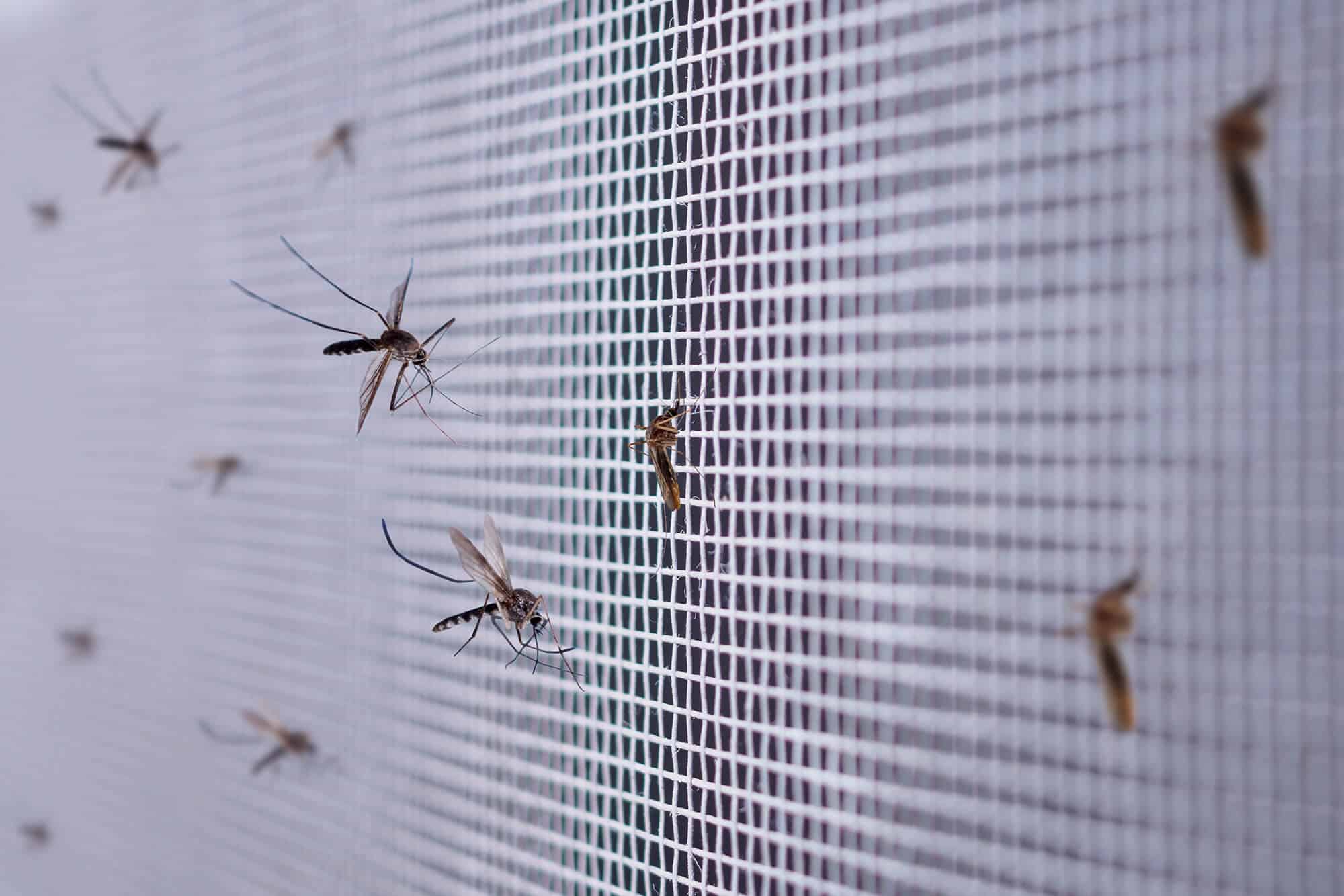
Oklahoma pest calendar, month by month
Dates shift a few weeks from year to year with the weather, and southern Oklahoma usually runs a little ahead of the north. Use this as a guide, not a schedule.
| Month | What you are likely to see | What to do now |
|---|---|---|
| January | Cockroaches and mice indoors, lady beetles and boxelder bugs waking up in walls on warm days, blacklegged ticks outdoors | Vacuum overwintering bugs, set mouse traps, store decorations in sealed plastic bins |
| February | Same as January, plus clover mites and early ants on warm spells | Fix leaks, clear clutter in garages and storage, plan exterior sealing |
| March | Clover mites on sunny walls, first ant trails, wasp queens out of hiding, first termite swarms, overwintering insects leaving the house | Seal gaps, start ant prevention, clear a strip of bare ground or gravel at the foundation |
| April | Termite swarmers, ants, clover mites, ticks becoming active, first mosquitoes after rain | Watch for swarmers indoors, empty standing water after each rain |
| May | Last termite swarms, ants, mosquitoes, ticks, new wasp nests under eaves, scorpions after rain | Tick-check after yard work, knock down small nests early, check window screens |
| June | Mosquitoes, ticks, chiggers, fleas, flies, scorpions, wasps, fire ant mounds | Empty water weekly, mow and trim, use repellent outdoors |
| July | Peak mosquitoes, ticks and chiggers, scorpions moving into cooler rooms, flies around trash and pet waste | Keep trash lidded, pick up pet waste, run fans on the patio |
| August | Mosquitoes and ticks, big wasp and yellowjacket colonies, wandering male spiders, cluster flies starting to gather | Seal cracks on south and west walls by mid-August |
| September | Boxelder bugs, lady beetles, stink bugs and cluster flies on sunny walls, spiders, yellowjackets at picnics, occasional fall termite swarms | Finish sealing, repair screens and door sweeps, rake leaves away from the house |
| October | Fall invaders slipping indoors, mice testing the foundation, mosquitoes until the first freeze, blacklegged ticks starting up | Seal utility gaps, move firewood off the ground and away from walls |
| November | First freeze (about November 3 in Tulsa), mice and rats moving in, fall invaders hiding in attics and walls | Set traps, store food in sealed containers, check boxes before bringing decorations inside |
| December | Cockroaches and mice indoors, hitchhikers on firewood and live Christmas trees, termites still feeding | Shake the tree outside, bring in only the firewood you will burn soon |
Why pests follow the weather
Insects, spiders and ticks are cold-blooded. Their bodies run at the temperature of the air around them, so heat speeds everything up and cold slows everything down. Entomologists at NC State describe this as physiological time: each species needs a set amount of warmth, measured in degree-days, to grow from egg to adult, and "cooler temperatures retard development; warmer temperatures stimulate development." That is the short answer to why pests are more active in the summer. More heat means faster growth, more generations and more bugs moving around looking for food and water.
Two dates frame the Oklahoma pest year. In Tulsa, the National Weather Service lists March 29 as the average date of the last spring freeze and November 3 as the average first fall freeze. Between those dates most outdoor pests are active. Rain is the other big driver. A wet spring means more mosquitoes and, later, more of the insects that spiders eat, while heavy storms flood ant nests and send pests looking for higher, drier ground.
Spring (March to May): swarmers, ants and the first bites
Spring is the busiest season for new pest calls because so much wakes up at once.
- Termite swarmers. OSU Extension says March, April and May are the months subterranean termites swarm in Oklahoma, usually on a warm day after rain. A swarm inside the house is a sign of a colony nearby. Our guide to what to do if you see termite swarmers explains how to tell them from flying ants.
- Clover mites. These tiny red mites invade homes "most commonly in March and April in Oklahoma," according to OSU, crawling in around sunny windows. They do not bite. More on them in our post about tiny red bugs.
- Ants. Colonies start foraging as soon as the soil warms, and kitchen trails show up in March and April. See why ant control should start in March.
- Wasp queens. Only the queens of paper wasps and yellowjackets survive the winter. In spring each one starts a new nest on her own, which is why a nest under the eaves in April is the size of a golf ball and much easier to deal with than the same nest in August. Our post on queen and worker wasps explains the cycle.
- The first ticks and mosquitoes. Lone star ticks become active in early spring (OSU), and the first mosquitoes appear after spring rains fill containers and low spots.
- Overwintering insects heading out. Lady beetles, boxelder bugs and cluster flies that spent the winter in your walls wander out toward windows as the house warms. They are leaving, not breeding.
Spring checklist: seal cracks and gaps before ant season, empty standing water after every rain, clear mulch and leaf litter back from the foundation, and call about any swarm you see indoors.
Summer (June to August): mosquitoes, ticks, chiggers and scorpions
Summer is peak season for biting and stinging pests, and the heat makes everything grow faster.
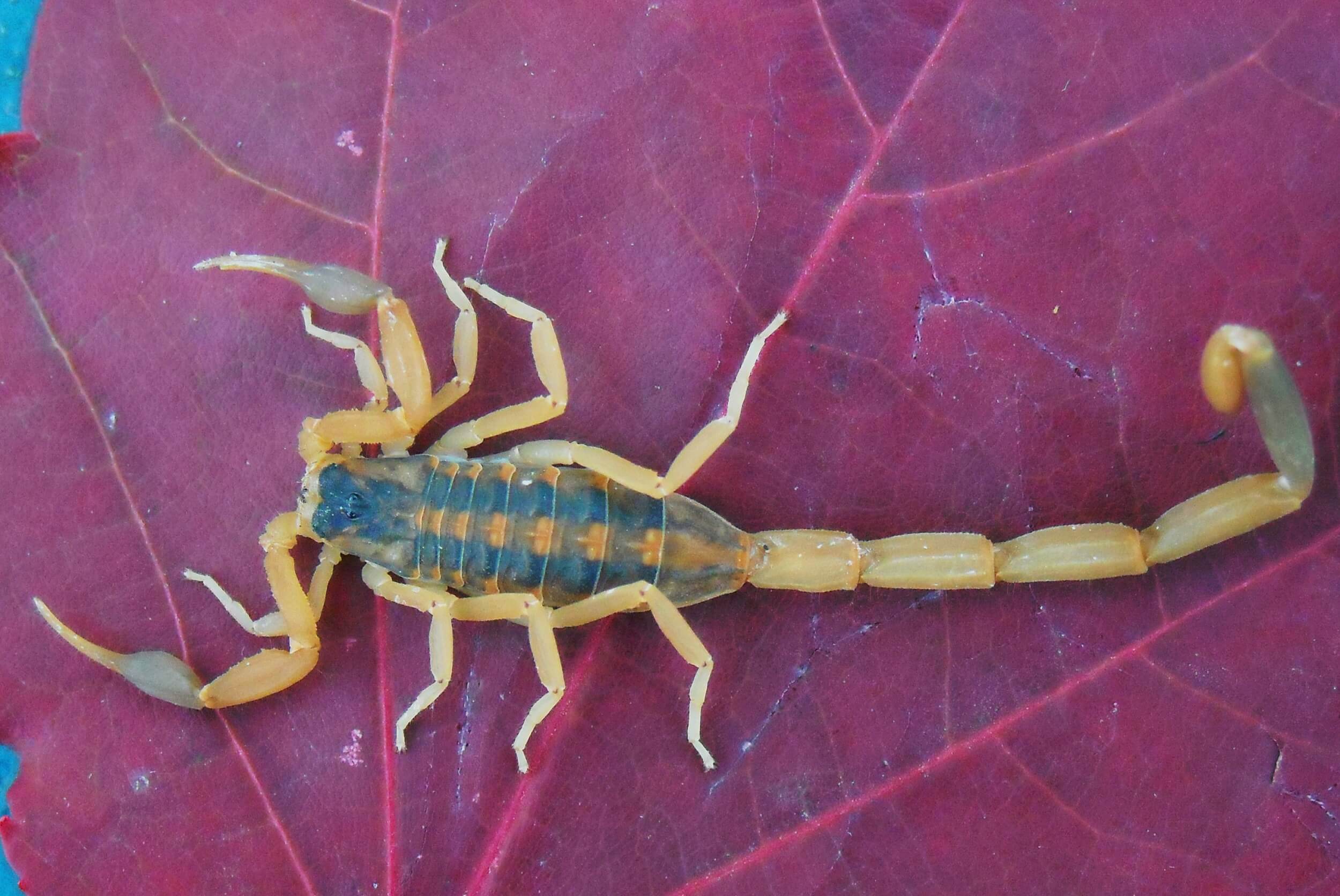
- Mosquitoes. The CDC says a mosquito egg takes 7 to 10 days to become an adult, and mosquitoes need only a small amount of water to lay eggs. A week of neglected containers is enough for a new batch. Our mosquito prevention tips and when mosquitoes are most active cover what actually works.
- Ticks. The Oklahoma State Department of Health says Oklahomans are "at highest risk of tickborne illness from May to August when ticks are most active." Rocky Mountain spotted fever, ehrlichiosis and tularemia are the main tick-borne illnesses here. Read fleas vs. ticks for the five Oklahoma ticks and how to get rid of fleas and ticks in your yard.
- Chiggers. OSU calls chiggers "a nuisance during the summer months," mostly in tall grass, brush, shade and leaf litter.
- Scorpions. OSU says late spring and early summer rains often push scorpions toward drier shelter, and "as summer temperatures rise, scorpions move out of the hotter areas of the home and into the cooler living areas." See scorpions in Oklahoma.
- Flies and yard pests. Flies breed in trash, pet waste and grass clippings, and patios fill up with mosquitoes, wasps and ants. Our guides to getting rid of flies in your yard and keeping bugs away from your patio, deck and yard cover summer yard pests.
- Wasps and yellowjackets. Colonies keep growing all summer and are at their largest and most defensive in late summer. Our wasp control guide explains when to leave a nest alone and when to call.
Summer checklist: empty or scrub water-holding containers weekly, keep grass mowed and brush trimmed, use repellent outdoors, keep trash lidded and pick up pet waste, and shake out shoes and gloves in garages and sheds.
Fall (September to November): fall invaders, spiders and mice
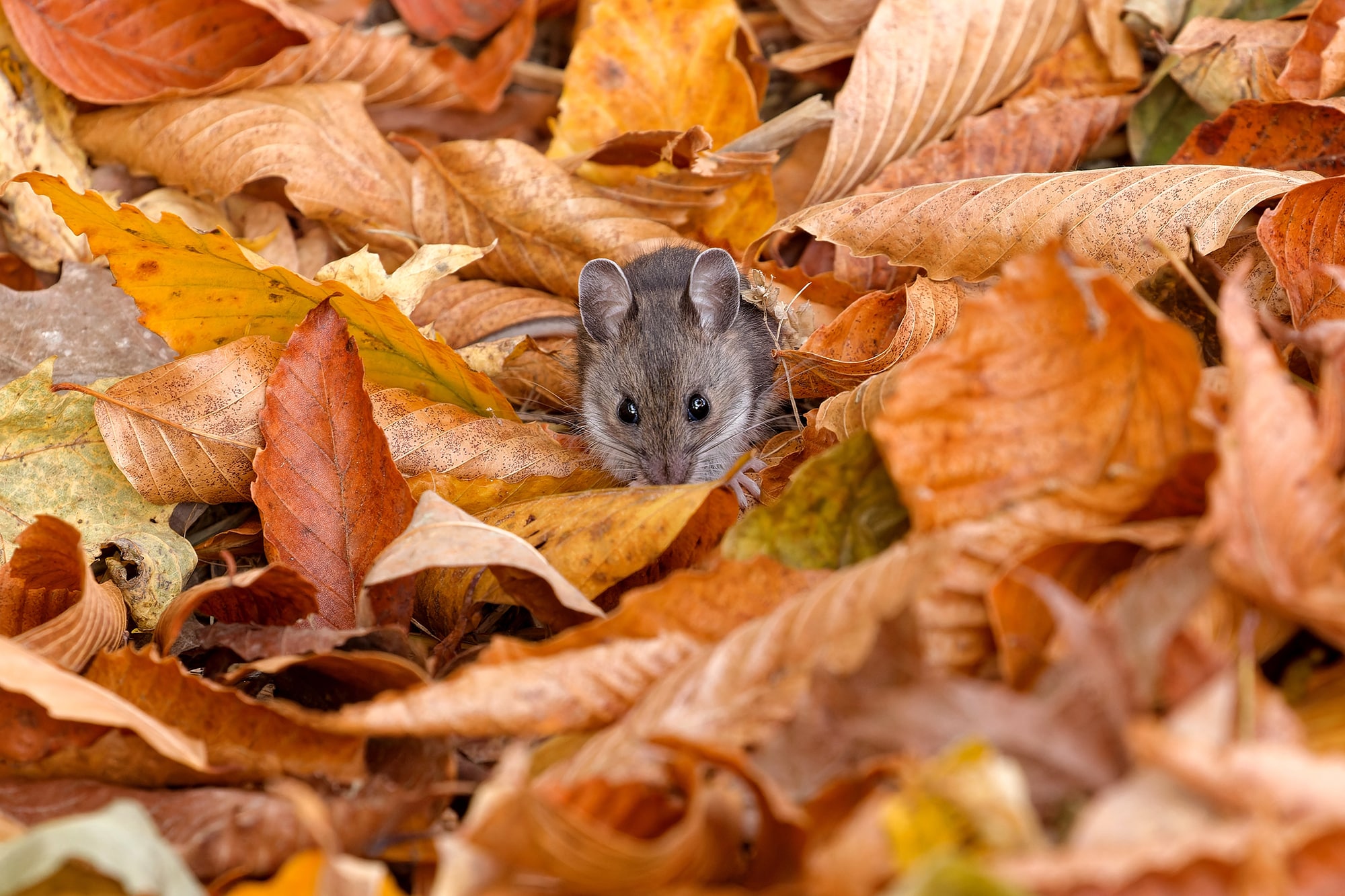
Fall is when pests stop living outside and start looking for a place to spend the winter, and your house is the warmest place around.
- Fall invaders. Boxelder bugs, Asian lady beetles, stink bugs and cluster flies gather on sun-warmed south and west walls, then slip in around windows, siding, soffits and vents. Ohio State entomologists note that indoor heat actually makes these insects burn through their fat reserves and starve. They are a nuisance, not a danger. Our Bug ID guide's "If it flies" section covers each one, and the fall cluster fly section of our yard fly guide explains why they show up every fall.
- Seal by mid-August. Colorado State University recommends sealing entry points for cluster flies by mid-August and no later than Labor Day, before they move into wall voids and attics. The same timing works for the other fall invaders.
- Spiders. The Burke Museum says the big spider wave usually comes in August and September, and the spiders you see are mostly "sexually mature males wandering in search of mates." They did not move in from the yard; most indoor spiders are house species. See do spiders die in winter.
- Mice and rats. Cooling nights send rodents looking for shelter. The CDC says a mouse can fit through a hole the width of a pencil, about 1/4 inch. Steel wool held in place with caulk or foam fills small gaps; larger holes need hardware cloth, metal or cement. Our post on how mice get in houses walks through every common entry point.
- Fall termite swarms. OSU says Oklahoma also gets smaller, less consistent termite swarms in September and October.
- Mosquitoes until the first freeze. Mosquitoes keep biting on warm fall evenings until a hard freeze, which in Tulsa averages November 3. Blacklegged ticks, meanwhile, become active in early fall and stay active into spring (OSU).
Fall checklist: caulk gaps on south and west walls, repair screens and door sweeps, seal around pipes and wires, rake leaves away from the foundation, and move firewood off the ground and away from the house.
Winter (December to February): the pests that stay
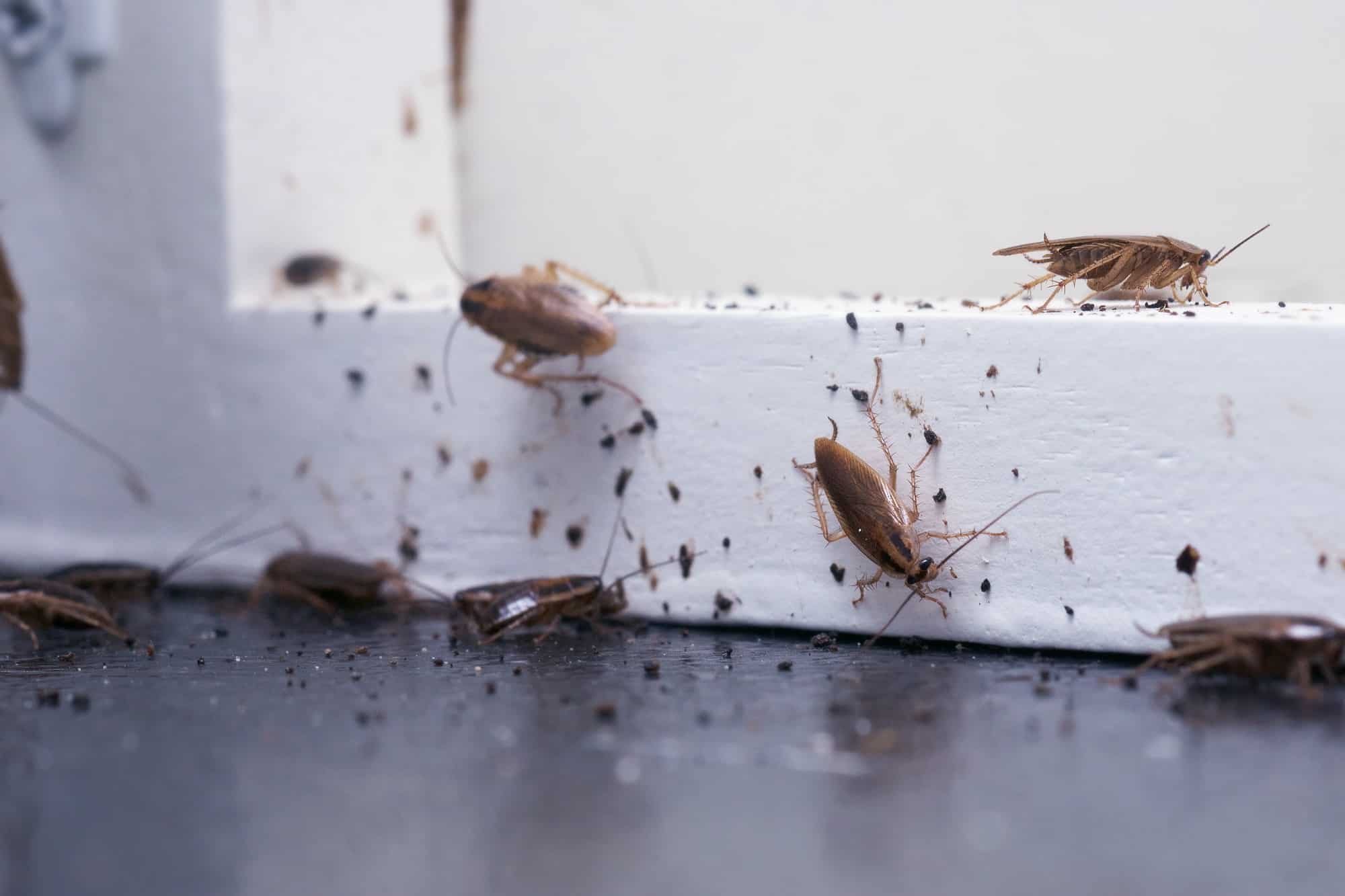
Cold weather slows outdoor pests, but it does not clear a house. Our post on where bugs go during winter explains how insects survive the cold. Here is what Oklahoma homes usually deal with:
- Cockroaches. German cockroaches live indoors their whole lives, so winter changes nothing for them. See how to get rid of cockroaches.
- Mice and rats. Rodents do not hibernate. Once inside, they nest in attics, wall voids, garages and behind appliances. Our rodent guide covers signs, traps and cleanup.
- Termites. Subterranean termites do not hibernate. The colony stays underground and keeps feeding through the winter, so damage does not stop when the weather turns cold. See are termites active in winter.
- Fall invaders on warm days. Lady beetles, boxelder bugs and cluster flies hiding in the walls wake up on sunny winter afternoons and crawl toward windows and lights. Clover mites can be active whenever it is above 45°F (OSU).
- Scorpions found in winter. OSU says scorpions do not usually come indoors in winter because the cold makes them sluggish; the ones you find are "probably summer visitors that never left."
- Blacklegged ticks. OSU says this is the one Oklahoma tick active in winter, from early fall until March or April, so dogs and cats still need prevention.
Holiday hitchhikers
Penn State Extension says real Christmas trees rarely carry insects, and the few that ride along (aphids, adelgids, bark beetles, spiders, mantis egg cases) are harmless and usually die quickly in a heated house. Shake the tree outside, cut off any egg cases, and do not spray it with aerosol insecticide, which is flammable. For firewood, the University of Kentucky recommends stacking it off the ground and not against the house, bringing in only what you will burn within a day or so, and never treating firewood with insecticide. Insects that crawl out of firewood will not become established indoors. Decorations stored in cardboard in the attic or garage are a favorite hiding spot for spiders, cockroaches and mice; move them into sealed plastic bins when you pack up.
Winter checklist: vacuum overwintering insects instead of spraying them indoors, set traps at the first sign of mice, fix leaks under sinks and around water heaters, declutter storage, and inspect the attic and crawl space while it is cool enough to do it comfortably.
After storms and floods
Oklahoma's spring storms and summer downpours change pest activity overnight.
- Ants. Flooded colonies move to higher ground, which can mean your walls or foundation. Texas A&M AgriLife warns that fire ants can link together into floating mats on floodwater; stay away from them, wear gloves and rubber boots during cleanup, and rub off any ants that reach your skin.
- Mosquitoes. Every puddle, clogged gutter and container left full after a storm can produce mosquitoes in about a week. Empty or drain them as soon as the rain stops.
- Scorpions and rodents. Wet weather pushes scorpions toward drier shelter (OSU), and mice and rats leave flooded burrows and storm drains for dry buildings.
- Termites. If water soaked a crawl space or pooled against the foundation for days, have the home inspected for termites once it dries out. Moist soil next to wood is exactly what subterranean termites look for.
Habits that work in every season
- Seal the shell of the house. Gaps around pipes, wires, vents, windows, doors and the foundation are the entry points for nearly every pest on this calendar.
- Control moisture. Fix leaks, keep gutters clear and make sure downspouts carry water away from the foundation.
- Keep the foundation clear. Pull mulch, leaves and stored items back from the walls, and trim shrubs and branches so they do not touch the house.
- Store food and trash tightly. Use sealed containers for pantry goods and pet food, and keep trash cans lidded and away from doors.
- Identify before you treat. A clover mite, a chigger and a flea need completely different responses. Our Oklahoma Bug ID Guide and the full list of pest guides can help you name what you found.
A year-round exterminator for every season
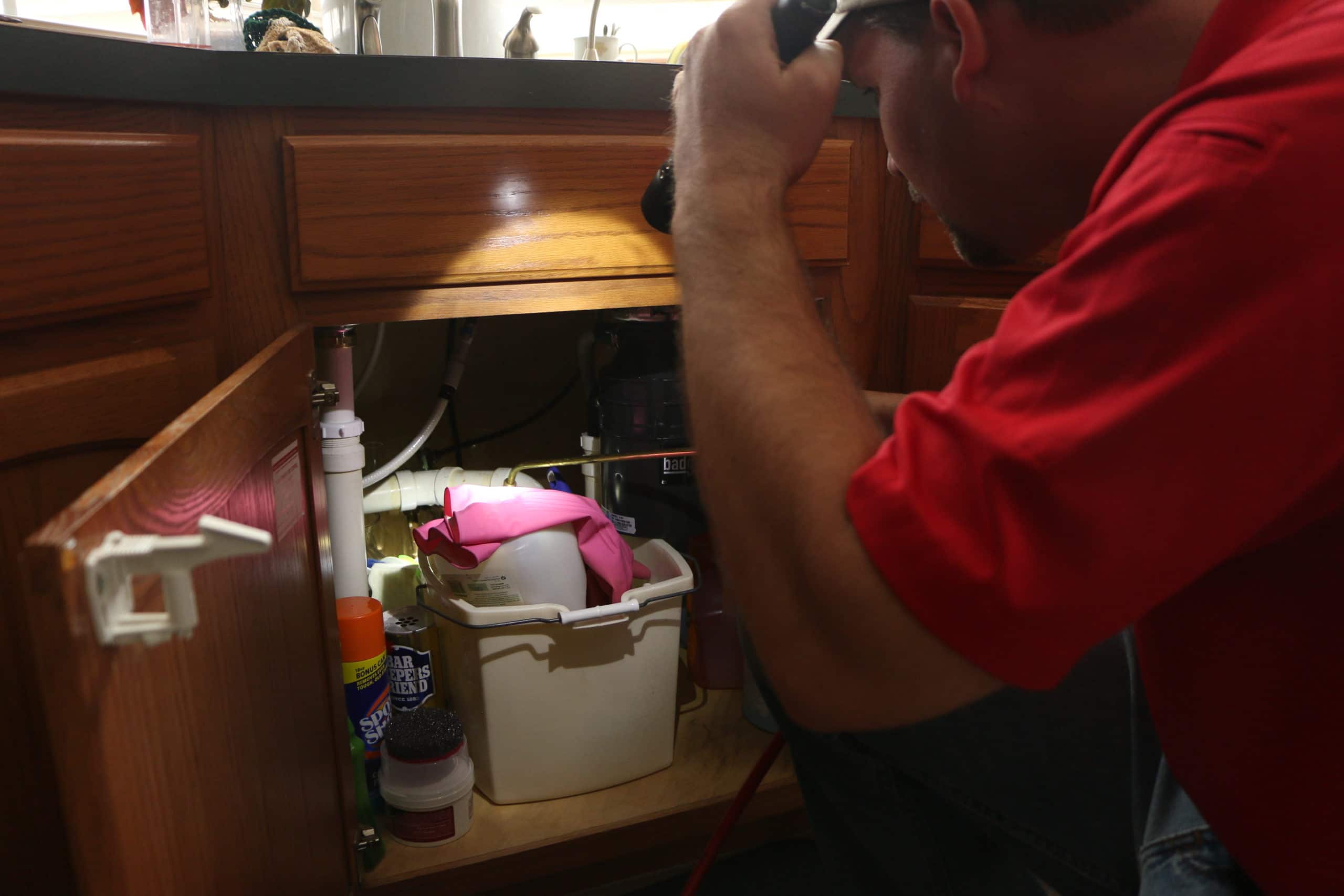
Emtec Pest Control has been the local exterminator for Oklahoma homes and businesses since 1979, and our technicians, the guys in the red shirts, see this calendar play out in real time. Our preventative pest control plan starts with an initial service to take care of the pests you have now, followed by return visits to keep ants, spiders, cockroaches and other common pests from moving back in. We also handle termite control, mosquito control, flea and tick control and rodent control. We serve Tulsa, Broken Arrow, Owasso, Jenks, Bixby, Sand Springs, Sapulpa, Stillwater, Oklahoma City and Edmond. Whatever the month, contact us to schedule an inspection.
Frequently Asked Questions
Why are pests more active in the summer?
Insects are cold-blooded, so their growth speed follows the air temperature. Entomologists at NC State explain that cooler temperatures slow development and warmer temperatures speed it up, so in an Oklahoma summer insects go from egg to adult faster and fit in more generations. Mosquitoes, for example, can go from egg to adult in 7 to 10 days (CDC). Longer days and summer rain add food and breeding water on top of that.
When does pest season start in Oklahoma?
For most homes it starts in March. The average last spring freeze in Tulsa is March 29 (National Weather Service), clover mite invasions peak in March and April (OSU), and subterranean termites swarm in March, April and May (OSU). Ants and overwintering wasp queens get active as soon as the days warm up.
What bugs come out in the fall in Oklahoma?
Fall is when overwintering insects look for shelter: boxelder bugs, Asian lady beetles, stink bugs and cluster flies gather on sunny south and west walls and slip into gaps. Wandering male spiders peak in late summer, mice start testing your foundation as nights cool, and mosquitoes hang on until the first freeze, which averages November 3 in Tulsa.
Do I need pest control in the winter?
Winter is quieter outdoors, but it is not pest-free. German cockroaches and house mice live indoors year-round, termites keep feeding below the frost line, and fall invaders hiding in the walls wake up on warm days. Winter is also the easiest time to seal gaps, clear clutter and deal with indoor pests before spring.
What pests show up after storms or flooding?
Ants move to higher, drier ground, and fire ants can float on floodwater in mats (Texas A&M AgriLife). Standing water left behind can produce mosquitoes in about a week, late spring and early summer rains push scorpions toward drier spots (OSU), and mice and rats look for dry shelter. Empty standing water and seal gaps once the water goes down.
Sources
- Freeze climatology: Tulsa records and averages (opens in new tab)
- Physiological time (degree-days) (opens in new tab)
- Termite swarming season (opens in new tab)
- Clover mite (Bryobia praetiosa) (opens in new tab)
- Oklahomans should be aware of ticks, diseases (opens in new tab)
- Ticks don’t take a winter break (opens in new tab)
- Life cycle of Aedes mosquitoes (opens in new tab)
- Scorpions (EPP-7303) (opens in new tab)
- Chiggers (opens in new tab)
- Boxelder bugs and other fall home invaders are poised to make their move (opens in new tab)
- Cluster flies and other winter flies (opens in new tab)
- Myth: Spiders come indoors in the fall (opens in new tab)
- How to seal up to prevent rodents (opens in new tab)
- Insects on real Christmas trees (opens in new tab)
- Firewood insects (ENTFACT-626) (opens in new tab)
- Floating fire ants, insect pests among flood hazards (opens in new tab)