
Most bugs do not die in winter, and most do not go far. They slow down and hide in soil, leaf litter, tree bark, logs and rock piles, and many make their own antifreeze to keep from freezing. A few, like monarch butterflies, fly south. Some get through the winter as eggs or as a single queen that starts a new colony in spring. And some move into the walls, attics and crawl spaces of houses, which is why a sunny January afternoon in Oklahoma can bring lady beetles to your windows. The pests that matter most in winter, like German cockroaches and house mice, never had to go anywhere because they already live indoors.
Bugs are cold-blooded
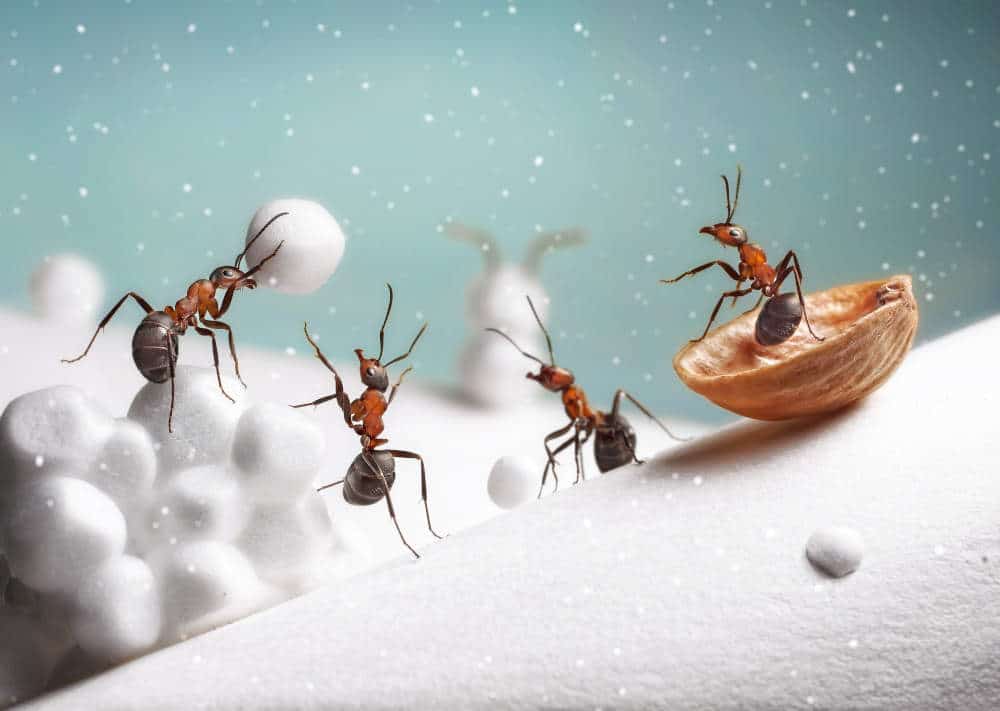
Insects, spiders, ticks and mites cannot make their own body heat. Their temperature follows the air around them, so cold slows everything: how fast they move, eat, grow and reproduce. Entomologists at NC State explain that each species has a temperature below which development stops completely. University of Nebraska–Lincoln Extension notes that "most insects simply can not function at temperatures below 40 degrees F," and Iowa State University says most enter a reversible chill coma at or below 50°F. So when an Oklahoma cold front comes through, bugs do not vanish. They go still where they are and wait.
Five ways bugs survive the winter
1. They go dormant (diapause)
What people call hibernation in insects is usually diapause. Iowa State describes it as a hormone-controlled, genetically programmed state of slowed metabolism and development that starts before winter arrives, triggered mainly by shorter days and cooling temperatures. It typically lasts months, though it can be as short as weeks or longer than a year. Getting the timing right is the point: an insect that waits for the first freeze to prepare is too late. A shorter, more flexible pause called quiescence lets insects go still during a cold snap and move again when it warms up.
2. They make their own antifreeze
The real danger for a bug in winter is ice forming inside its body. Iowa State explains the two main strategies:
- Freeze avoidance, the most common approach. The insect clears food and microbes out of its gut (which could seed ice crystals), builds up antifreeze proteins and compounds like glycerol, and lowers the temperature at which its body fluids freeze, called the supercooling point. In some species these protective compounds reach 20 to 30% of body weight.
- Freeze tolerance. A smaller group lets ice form, but only in safe places outside the cells, so their tissues survive being frozen.
UNL Extension gives the question mark butterfly as an example: it uses glycerol to spend the winter in rock piles, tree crevices and under house eaves.
3. They spend the winter in one life stage
Each species gets through winter in a particular stage, often the toughest one. A few Oklahoma examples:
| Bug | Winter stage | Where it spends the winter |
|---|---|---|
| Paper wasps and yellowjackets | Mated queens only | Under bark, in wall voids, attics and sheds; workers and males die in fall |
| Lady beetles | Adults | Sheltered crevices, often in groups; Asian lady beetles in houses |
| June beetles and other white grubs | Larvae | Underground in the soil (UNL) |
| Bagworms | Eggs | Inside the old bag on the tree (UNL) |
| Culex (house) mosquitoes | Adult females | Culverts, underground storm drains and other sheltered spots |
| Aedes mosquitoes (including the Asian tiger mosquito) | Eggs | Dry containers and soil that will flood again in spring |
| American dog tick | Adults | In the soil (UNL) |
| Ants | Whole colony | Deep in the nest, below the cold surface soil |
| Subterranean termites | Whole colony | Underground; colonies keep feeding all winter |
4. They hide in soil, leaf litter and bark
UNL Extension lists the natural winter shelters: hollow logs, fallen limbs, tree holes, leaf litter, dead plants, burrows and the space under tree bark. Soil is warmer than the air above it, and snow insulates it even more, which is how grubs ride out a hard freeze a few inches down. Those same spots are why leaf piles, woodpiles and thick mulch against a foundation give pests a head start next to your house in spring.
5. A few migrate
Insect migration is rare, and UNL notes that most insect migrations are one-way trips. Monarch butterflies are the famous exception: monarchs from east of the Rockies fly to the mountains of central Mexico, and the fall migration through Oklahoma peaks in late September and early October (Public Radio Tulsa). Some crop pests simply die out in the fall and are blown back north by spring storms.
The bugs that move into your house for the winter
Some insects treat houses like a big hollow log. In September and October, boxelder bugs, Asian lady beetles, stink bugs and cluster flies gather on sun-warmed south and west walls and work their way into gaps around windows, siding, soffits and vents. Ohio State entomologists say they settle in attics and wall voids, and that "the high indoor temperatures cause the insects to burn through their fat reserves and eventually starve to death." Colorado State University adds that cluster flies overwintering in buildings are dormant and do not breed indoors; most leave in early spring.
These overwintering insects are a nuisance, not a danger. They do not spread disease, eat your food or damage the house. Our Bug ID guide's "If it flies" section shows how to tell them apart, and the cluster fly section of our yard fly guide covers the big, slow flies at upstairs windows. The fix happens in late summer: sealing entry points by mid-August, and no later than Labor Day, is what Colorado State recommends.
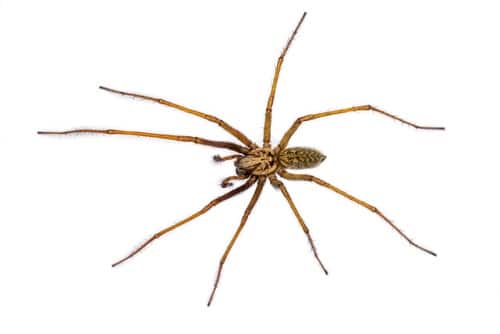
Spiders are a different story. Most spiders you see indoors in winter are house spider species that live inside year-round and never came in from the yard. Our post Do spiders die in winter? explains how outdoor spiders survive and why fall brings so many indoors.
The pests that never left
Winter does nothing to the pests that already live indoors, and these are the ones worth acting on:
- German cockroaches live their whole lives inside buildings, breeding near warmth, food and water in kitchens and bathrooms. See how to get rid of cockroaches.
- House mice and rats do not hibernate. They move in as nights cool and stay active all winter in attics, walls, garages and behind appliances. The CDC says mice fit through a gap about 1/4 inch wide, and our post on how mice get in houses shows where to look.
- Termites keep working underground and inside wood all winter. Read are termites active in winter.
Does cold weather kill bugs?
Some, but not as many as people hope. A hard freeze kills mosquitoes, flies and other insects caught out in the open, which is why mosquito bites stop after the first freeze. But the eggs, larvae, queens and colonies that carry each species into spring are protected by dormancy, antifreeze and shelter. Iowa State also notes that brief warm spells, even a few minutes long, can help insects repair cold injury, while repeated freeze-thaw cycles lower survival for many species. How a mild or harsh winter plays out varies from one insect to the next.
The bottom line: a cold winter does not cancel the next pest season. Spring populations depend more on how much shelter bugs found in the fall and how wet the spring turns out to be.
What about mosquitoes, ticks and scorpions?
- Mosquitoes. Culex mosquitoes spend the winter as adult females in diapause, hiding in culverts, storm drains and similar spots, then come out in late winter or early spring to feed and lay eggs (Contra Costa Mosquito & Vector Control District). Aedes mosquitoes wait it out as eggs; the CDC says their eggs survive drying out for up to 8 months and can survive a winter in the southern United States. That is why dumping and scrubbing containers in fall and early spring pays off. More in our Oklahoma mosquito ID guide.
- Ticks. OSU Extension says the blacklegged tick is the one Oklahoma tick active in winter, from early fall until March or April. Lone star ticks are active from early spring through late fall. See fleas vs. ticks.
- Scorpions. OSU says scorpions do not usually come into houses in winter because the cold makes them sluggish. One found inside in January is "probably" a summer visitor "that never left." See scorpions in Oklahoma.
Why bugs show up on warm winter days
An Oklahoma winter swings from freezing nights to 65-degree afternoons. When the sun warms a south wall, lady beetles, boxelder bugs and cluster flies in the wall void wake up and crawl toward the light, which usually means your windows. OSU says clover mites can feed and develop during warm winter spells above 45°F. These sightings do not mean a new infestation; they are the same insects that moved in last fall.
Firewood is the other common source. The University of Kentucky says insects that shelter in firewood may become active when the wood is brought inside, but they "will not multiply or become established in the home." Keep the woodpile off the ground and away from the house, bring in only what you will burn within a day or so, and never spray firewood with insecticide.
What to do this winter
- Vacuum overwintering insects at windows and light fixtures and empty the bag outside. Spraying them indoors does little, because most of the group is hiding in the walls.
- Watch for signs of rodents: droppings, gnaw marks, shredded nesting material and scratching in the walls at night. Set traps at the first sign.
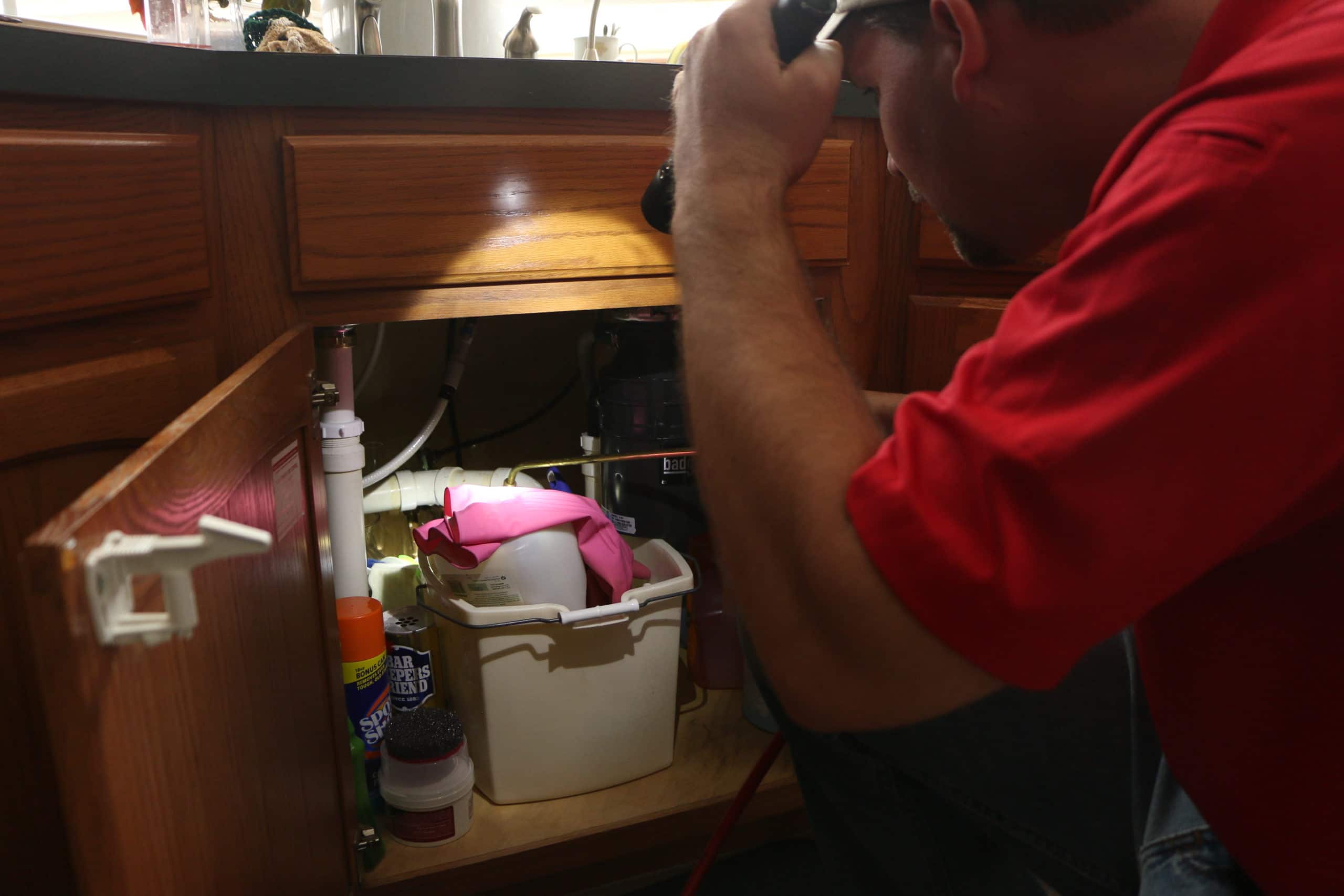
- Fix leaks under sinks and around water heaters. Cockroaches and mice need water more than warmth.
- Clear the foundation of leaf piles, firewood and stored items, and pull thick mulch back from the walls.
- Make a sealing list for late summer. Note where bugs show up this winter; those windows, vents and siding gaps are the ones to caulk by mid-August.
- Plan ahead. Our Oklahoma pest calendar shows what to expect each month and what to do before it arrives.
Winter pest control from a local exterminator
Winter is a slow season outdoors, but it is a good time to get ahead of the pests that live indoors and the ones that will wake up in spring. Emtec Pest Control has been the local exterminator for Oklahoma homes and businesses since 1979. We inspect attics, crawl spaces and the outside of the house, take care of cockroaches, mice and other indoor pests, and point out the gaps that let fall invaders in. Learn about our preventative pest control, rodent control and cockroach control. We serve Tulsa, Broken Arrow, Owasso, Jenks, Bixby, Sand Springs, Sapulpa, Stillwater, Oklahoma City and Edmond. Contact us to schedule a winter inspection.
Frequently Asked Questions
Does cold weather kill bugs?
It kills some, especially insects caught out in the open, but most species are built for winter. Iowa State University explains that insects either keep their body fluids from freezing or tolerate ice inside their bodies, and many prepare weeks ahead by going dormant in sheltered spots. A cold snap thins out exposed adults like mosquitoes and flies, but the eggs, larvae and queens that carry the population into spring are usually protected.
Do bugs hibernate?
Many do something similar called diapause, a hormone-controlled pause in growth and activity that Iowa State says is triggered by shorter days and cooler temperatures before winter arrives. It can last weeks to more than a year. Other insects simply go still during cold spells and move again on warm days, which is called quiescence.
At what temperature do bugs stop moving?
It depends on the species, but University of Nebraska–Lincoln Extension notes that most insects cannot function below about 40°F, and Iowa State says most enter a reversible chill coma at or below 50°F. That is why bugs vanish on a cold morning and reappear on a sunny 60-degree afternoon.
Where do mosquitoes go in the winter?
Culex mosquitoes, the common house mosquitoes, spend the winter as adult females hiding in culverts, storm drains and other sheltered spots. Aedes mosquitoes, including the Asian tiger mosquito, survive as eggs; the CDC says their eggs can survive drying out for up to 8 months and can even survive a winter in the southern United States.
Why do I see bugs inside my house in the middle of winter?
Usually it is one of three things: overwintering insects like lady beetles and boxelder bugs waking up in the walls on a warm day, indoor pests like German cockroaches that live inside year-round, or insects that rode in on firewood or a live Christmas tree. The first and last groups cannot breed indoors; the second group needs treatment.
Sources
- Cold hardiness of insects and the impact of fluctuating temperatures (opens in new tab)
- How do insects survive the winter? (opens in new tab)
- How do insects survive winter? (opens in new tab)
- Physiological time (degree-days) (opens in new tab)
- Boxelder bugs and other fall home invaders are poised to make their move (opens in new tab)
- Cluster flies and other winter flies (opens in new tab)
- Where do mosquitoes go in winter? (opens in new tab)
- Life cycle of Aedes mosquitoes (opens in new tab)
- Ticks don’t take a winter break (opens in new tab)
- Scorpions (EPP-7303) (opens in new tab)
- Monarch migration to peak in Oklahoma late September, early October (opens in new tab)
- Clover mite (Bryobia praetiosa) (opens in new tab)
- Firewood insects (ENTFACT-626) (opens in new tab)
- How to seal up to prevent rodents (opens in new tab)