
To get rid of fleas and ticks in your yard, take away the places they live and the animals that carry them in. Fleas and ticks avoid sunny, short grass. They survive in shade, tall grass, brush and leaf litter, and they arrive on pets, stray animals and wildlife. Clear those spots, keep wildlife out, treat your pets, clean the house at the same time, and treat only the shady areas that need it. These six steps cover each part.
Where fleas and ticks live in an Oklahoma yard
Fleas and ticks need different things, so they hide in slightly different places:
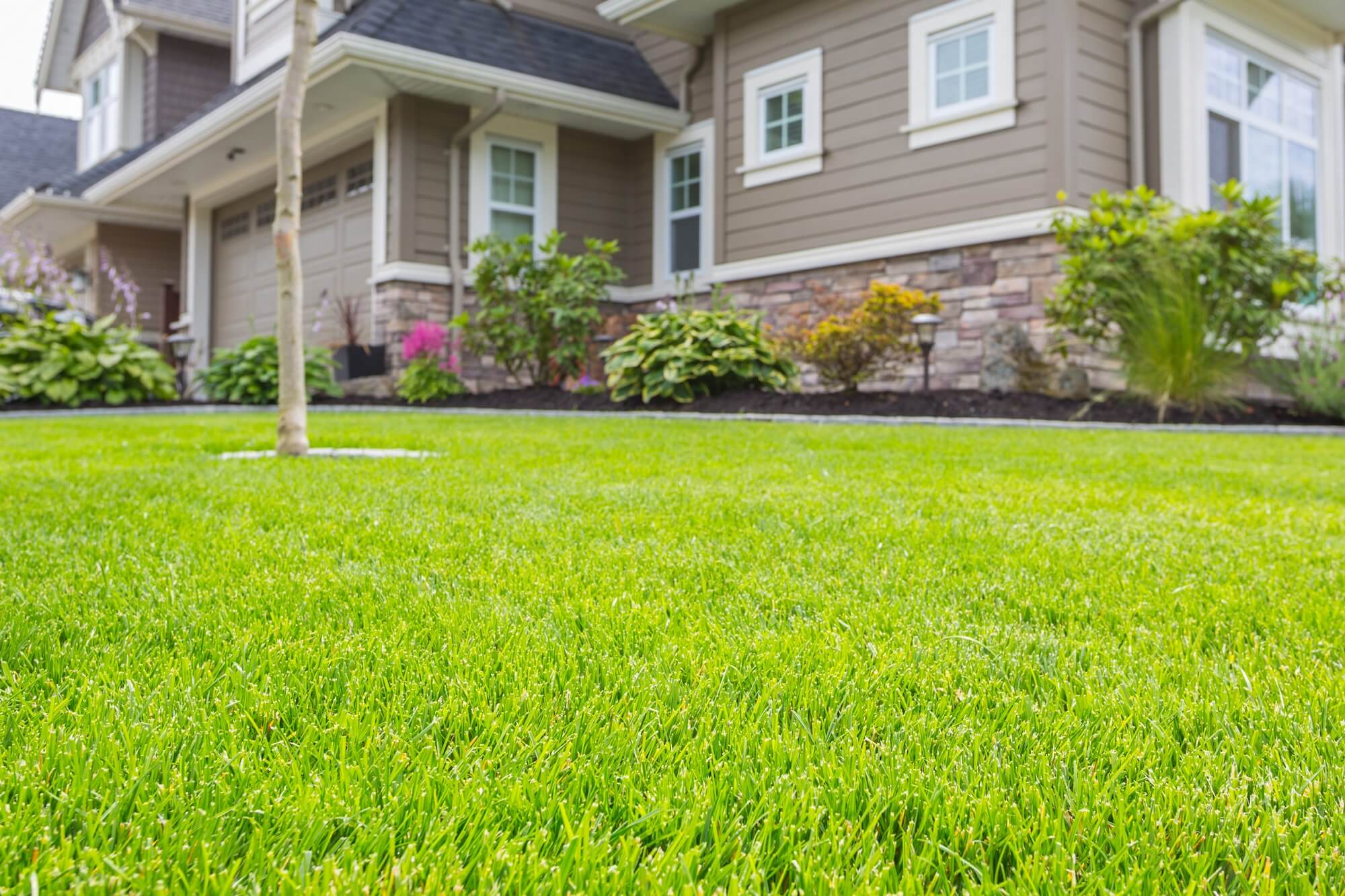
- Fleas develop where pets rest and where it stays shady and humid: under decks and porches, beneath shrubs, in dog houses and kennels, in flower beds and along the foundation. Texas A&M AgriLife notes that well-kept lawns in full sun hold few fleas, because dry air and hot soil kill flea larvae.
- Ticks live in grassy, brushy and wooded areas, and the CDC notes many people pick them up in their own yard. They gather in tall grass, leaf litter, overgrown fence lines and the edge where the lawn meets the woods.
When they're worst: Oklahoma State University Extension says fleas thrive in warm, humid weather as spring turns to summer, and indoor pets can keep fleas going year-round. The Oklahoma State Department of Health puts the highest risk of tick-borne illness from May through August, and OSU notes lone star ticks are active from early spring into late fall.
Step 1: Mow, rake and clear the brush
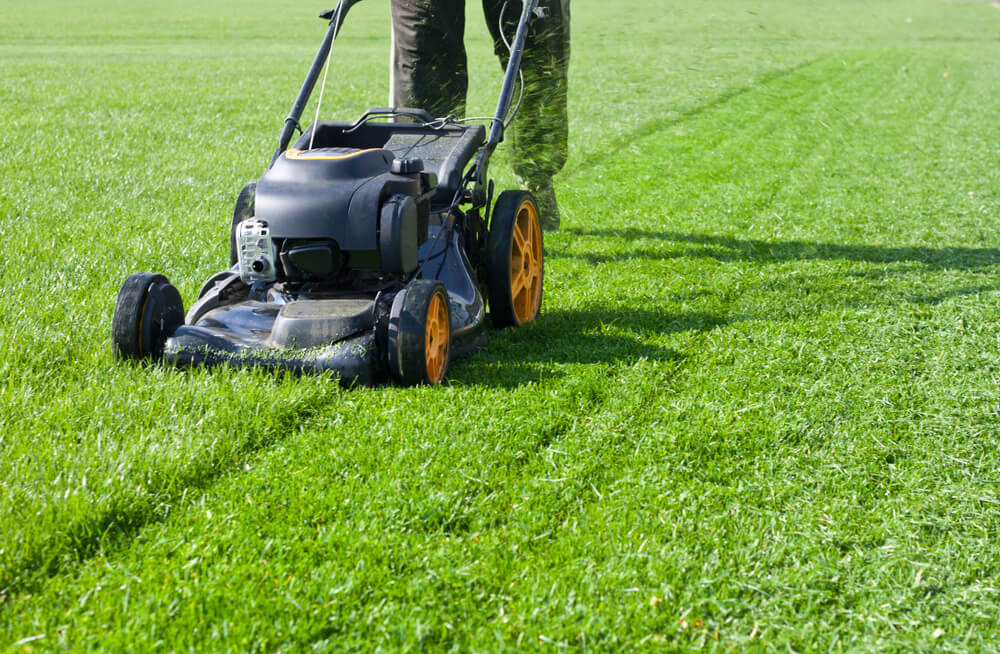
Short grass dries out faster and gives fleas and ticks fewer places to wait for a host. The CDC recommends:
- Mowing often, including along fences, around sheds, trees and play sets.
- Removing leaf litter, and clearing tall grass and brush around the house and at the edge of the lawn.
- Stacking firewood neatly in a dry spot.
- Getting rid of old furniture, mattresses and trash where ticks can hide.
Pick up toys, pots, bricks and other clutter that keep the ground shaded and damp, and fix overwatering or poor drainage. After a wet Oklahoma spring, grass can get ahead of you quickly, so bag the clippings if the lawn was very tall.
Step 2: Build a barrier between the lawn and the woods
If your yard backs up to woods, brush or a creek, the CDC suggests a 3-foot-wide strip of wood chips or gravel between the lawn and the wooded area to cut down on ticks moving into the yard. Keep play equipment, decks and patios away from the yard's edges and trees, so children and pets spend their time in the sunny middle of the lawn.
Step 3: Keep wildlife and stray animals out
Deer, raccoons, opossums, stray cats and dogs, rats, mice and squirrels all carry fleas and ticks into yards. To make your yard less inviting:
- Fence out deer and stray dogs where you can, as the CDC suggests, and patch holes in existing fences.
- Don't leave pet food or water bowls outside overnight.
- Keep lids on trash cans and clean up spilled birdseed.
- Close off the space under decks, porches and sheds, where animals like to den.
If rodents or other wildlife are living under or inside the house, they can keep a flea problem going even with no pets. See how to get rid of rodents.
Step 4: Treat every pet
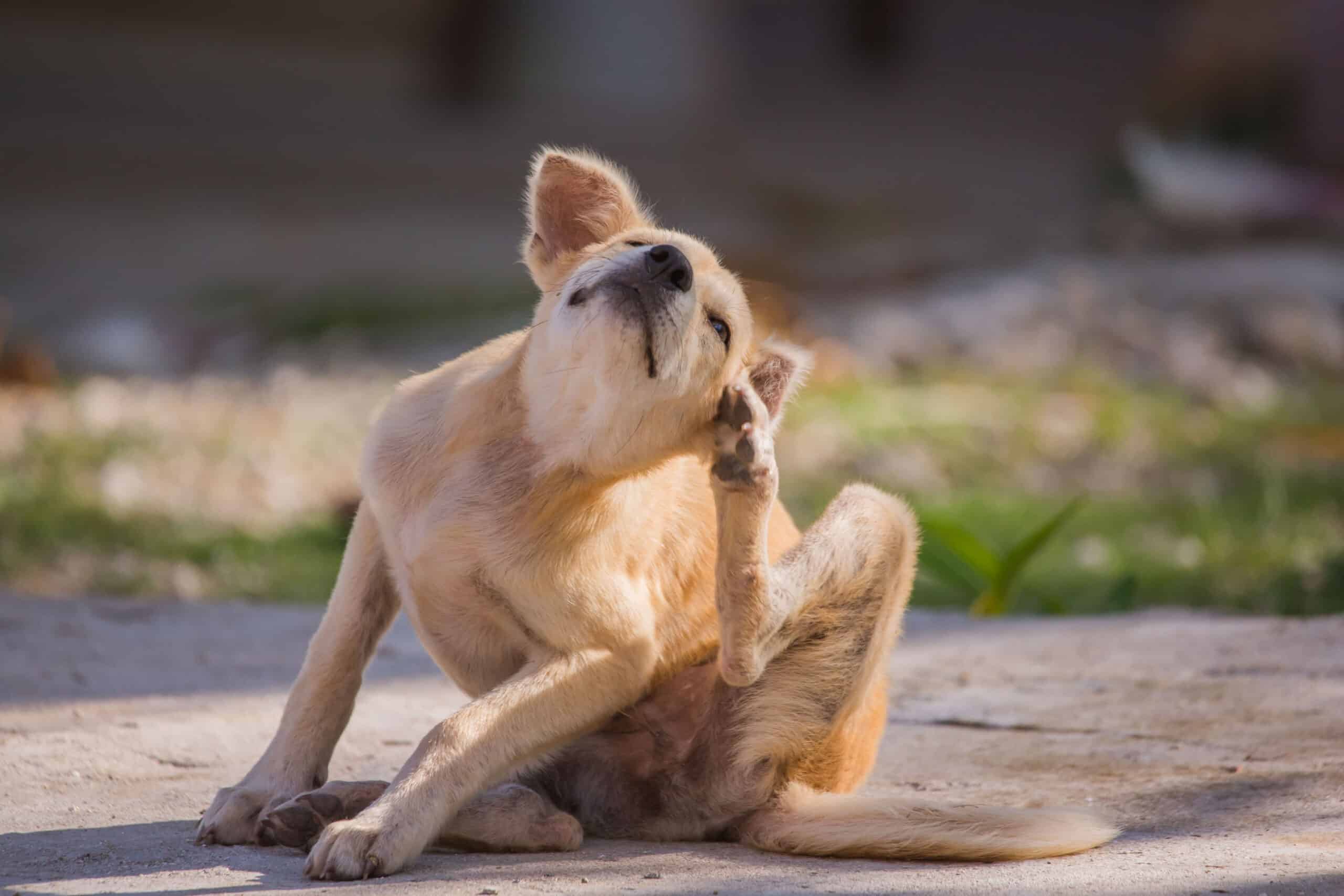
Pets are how fleas and ticks get from the yard into your house, so on-pet prevention is part of yard control. OSU Extension advises treating all pets in the household at the same time, with products your veterinarian recommends. The EPA's rules of thumb:
- Use each product only on the species, size and weight it is labeled for. Never use dog products on cats.
- Read the whole label every time, and watch your pet after the first use.
- If your pet has a reaction, bathe it with mild soap, remove any collar, and call your veterinarian or the National Pesticide Information Center at 1-800-858-7378.
After walks or time outside, run your hands or a flea comb through your pet's coat and check ears, neck, belly and between the toes for ticks. If you find one attached, here is how to remove a tick safely.
Step 5: Treat the house at the same time
Fleas on a pet drop eggs everywhere it goes, and the larvae develop in carpet, pet beds and furniture. That is why OSU Extension and University of Florida entomologists both say treating the pet alone doesn't work. The EPA and Texas A&M AgriLife recommend:
- Vacuuming every day during an infestation, especially where pets sleep, along baseboards and under furniture. Throw out the bag or empty the canister outside.
- Steam-cleaning carpets and upholstery where pets rest.
- Washing pet bedding and any throws or bedding pets lie on in hot, soapy water.
Adult fleas can keep hatching from cocoons for weeks after a good treatment, so expect to see a few for a while. Our guide to how fleas move and the flea life cycle explains why.
Step 6: Treat the right spots in the yard
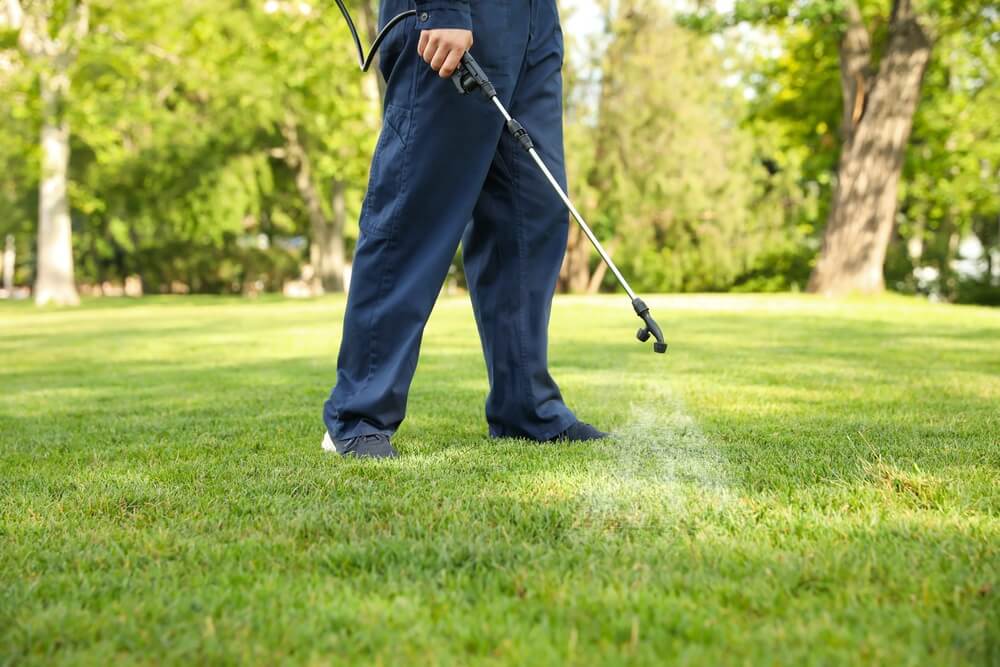
When fleas or ticks are established, an outdoor treatment knocks the population down. The key is where:
- For fleas, Texas A&M and UF recommend treating breeding spots, such as the ground under decks and shrubs, pet resting areas, dog runs and kennels, rather than the whole yard.
- For ticks, focus on the lawn's edges, fence lines, overgrown borders and the shady strip next to woods.
The CDC cautions that spraying should not be the only thing you rely on to prevent tick-borne illness, and any product should be used exactly as the label directs. That's where the first five steps come in: they make the treatment last.
Signs it's time to call a professional
- You keep finding fleas on pets, or flea bites on people, even with veterinarian-recommended prevention.
- You find ticks on pets or family members after time in your own yard.
- Your property has acreage, woods, a creek or heavy brush that's hard to manage.
- You suspect wildlife or rodents are bringing fleas in.
Flea and tick exterminator for Oklahoma yards
Emtec Pest Control has been treating Oklahoma lawns for fleas and ticks since 1979. We start with an inspection to find where fleas and ticks are living on your property, then treat the shaded areas, borders and pet spots where they develop, inside and out, and come back to check and adjust when a problem needs it. Our service trucks carry spray rigs that hold up to 100 gallons, so our technicians can treat a city lot or several acres without stopping to borrow your faucet. You take care of your pets' prevention with your veterinarian, and we take care of the yard. We are the flea and tick exterminator for Tulsa, Broken Arrow, Owasso, Jenks, Bixby, Sand Springs, Sapulpa, Stillwater, Oklahoma City, Edmond and nearby towns. See our flea and tick control service, ask about mosquito control for the same yard, or contact us to schedule an inspection.
Frequently Asked Questions
What kills fleas and ticks in the yard?
Yard insecticides labeled for fleas and ticks kill them where they are applied, but the CDC cautions against relying on spraying alone. The lasting fix is removing the shade, tall grass, brush and leaf litter they live in, keeping wildlife out and treating your pets. If you treat, focus on shaded spots where pets rest, not the whole lawn, and follow the label.
When are fleas and ticks worst in Oklahoma?
Ticks are most active in warm months, and the Oklahoma State Department of Health says the risk of tick-borne illness is highest from May through August. Lone star ticks are active from early spring into late fall. Fleas thrive in warm, humid weather from late spring through summer, and pets that live indoors can keep fleas going all year.
Does mowing get rid of ticks?
It helps. Ticks wait on tall grass and brush for a host to pass, so the CDC lists frequent mowing as a first step. It also recommends removing leaf litter, clearing brush and tall grass at the lawn’s edge, and keeping play sets and patios away from wooded areas.
Do I need to treat my house if my yard has fleas?
Usually, yes. Fleas ride inside on pets, and their eggs and larvae develop in pet beds and carpet. Oklahoma State University Extension recommends treating the pet, the home and the yard at the same time. Vacuuming often and washing pet bedding are the backbone of the indoor part.
Will treating my yard protect my pets?
It lowers the number of fleas and ticks your pets meet, but it doesn’t replace on-pet prevention. Pets still pick up fleas and ticks on walks, at the park and from visiting animals. Ask your veterinarian which flea and tick product fits each pet, and use it only on the species and weight it is labeled for.
Sources
- Preventing Tick Bites (opens in new tab)
- Fleas Are a Pesky Problem for Your Pets (opens in new tab)
- Ticks (Livestock Entomology) (opens in new tab)
- Oklahomans Should Be Aware of Ticks, Diseases (opens in new tab)
- Controlling Fleas (opens in new tab)
- Cat Flea, Ctenocephalides felis (EENY-011) (opens in new tab)
- Controlling Fleas and Ticks Around Your Home (opens in new tab)
- Controlling Fleas and Ticks on Your Pet (opens in new tab)