
Yes. In Oklahoma, late winter to early spring is the best time to start ant control. Ant colonies slow down over the winter and become active again in March and April as the soil warms and scouts go looking for food. If you seal entry points and clean up before then, and start baiting as soon as the first foragers show up, you deal with colonies while they are still small, before the summer peak sends long trails across your counters. Ant control is not only a March job, though. Ants can show up in any season, and the same steps work year round.
Why early spring makes sense
- Colonies are at their smallest. Outdoor colonies come out of winter with fewer workers than they will have by midsummer.
- Scouts come first. In spring, a few foragers find food and lay a scent trail for the rest. Stop the scouts, and the trail never forms.
- Repairs are easier. Cracks that opened over winter as the house settled are easy to find and seal before the season starts.
- Baits need active ants. Baits only work when workers are out foraging and carrying food home. Bait too early in cold weather and it sits untouched. Bait as soon as you see activity.
How ants get into your home
Ants are small enough to use openings you would never notice. The most common ways in are:
- Cracks in the foundation, slab and brick, and gaps where the house has settled
- Gaps around windows and doors, worn weather stripping and missing door sweeps
- Openings where pipes, wires and utility lines enter the house. Ants often travel along wires and pipes.
- Shrubs, tree limbs, mulch and firewood touching the house, which act as bridges
- Inside packages, potted plants and firewood you bring in
Once a scout finds food or water, it lays down a chemical trail on the way back to the nest, and the rest of the colony follows it. That is why one ant on the counter on Monday can be a hundred by Wednesday.

8 ways to keep ants out
- Walk the outside of the house. Look for cracks in the foundation, gaps in brick and siding, and openings around windows, doors and utility lines. Repeat each spring and fall, since sealants wear out.
- Seal what you find. Caulk small cracks, use foam or the right sealant for larger gaps, and replace worn weather stripping and door sweeps.
- Pull plants and mulch back. Trim shrubs and tree limbs away from the house and keep mulch, leaves and grass from piling against the foundation.
- Store food in sealed containers. Use clean, sealed containers, not plastic bags or open packaging. Include pet food, cereal, sugar, honey and syrup.
- Clean up crumbs, grease and spills. Wipe counters, clean under appliances, rinse cans and bottles, and do not leave dishes in the sink overnight.
- Wipe out the scent trail. Wipe trails and entry points with soapy water. It removes the chemical trail other ants follow.
- Fix moisture. Repair leaky pipes and faucets, clear clogged gutters and use a dehumidifier in damp areas. Many ants move in for water.
- Manage pet bowls and trash. Pick up pet food after meals, keep the area around bowls clean, and use trash cans with tight lids that are emptied often.
Baits vs sprays
This is where most do-it-yourself ant control goes wrong. A spray kills the ants you can see, but the queen and the rest of the colony are safe in the nest, so the trail is back in a few days. The UC Statewide IPM Program says baits are more effective and safer than sprays when used properly. Workers carry small portions of a slow-acting bait home and share it mouth to mouth with the rest of the colony, including the queens and larvae.
- Put baits on the trail, near where ants are entering, and leave the ants alone so they can feed.
- Do not spray while baiting. Spraying kills the workers that would carry the bait home.
- Be patient. UC IPM says to expect fewer ants in about 5 to 10 days and allow several weeks or more for full control.
- Match the bait to the ant. Some ants want sugar, others want protein or grease. If they ignore the bait, try a different type.
- Never spray pharaoh ants. Repellent sprays make pharaoh ant colonies split and spread, which Texas A&M entomologists say makes the problem worse.
Do home remedies work on ants?
Some help a little, but none of them reach the nest.
- Vinegar, lemon juice and essential oils (peppermint, tea tree, clove, orange). They erase the scent trail and kill ants on contact, but UC IPM notes plant oils have very limited lasting effect. Expect the ants back. Vinegar can also damage stone and some other surfaces.
- Borax or boric acid with sugar. This is a real bait, and it can work because ants share it with the colony. UC IPM recommends liquid borate baits of 0.5 to 1 percent in sugar water, in refillable bait stations, for some sweet-feeding ants. Borax is toxic if swallowed, so keep homemade baits out of reach of children and pets.
- Diatomaceous earth. A dry powder that kills ants that walk through it, but it stops working when wet, does not affect the nest, and the fine dust should not be breathed in.
- Soapy water. Kills on contact and removes the trail. A good cleaning step, not a cure.
If you have tried these and the ants keep returning, the colony is still there. That is the point to bring in a professional.
Ants through the seasons in Oklahoma
- Spring: colonies wake up and scouts look for food. Pavement ants and carpenter ants swarm. Best time to seal, clean and bait.
- Summer: peak foraging. Heavy rain and hot, dry spells both push ants indoors looking for drier nest sites or water.
- Fall: ants stock up before winter and some move into wall voids. Do a second walk-around and seal again.
- Winter: outdoor colonies slow down deep in the soil. Ants seen indoors in winter are nesting inside the house, which needs attention.
Our Oklahoma pest calendar covers what else shows up month by month.
Fire ants in the yard
If you have fire ant mounds, the two-step method from the University of Tennessee Extension works well. First, broadcast a fire ant bait lightly over the whole yard when ants are foraging, when the soil surface is roughly 70 to 90°F. To test, set a potato chip by a mound: if ants start carrying it off within 30 minutes, it is a good time to bait. Use fresh bait and keep it dry. Second, 7 to 10 days later, treat individual mounds near the house, play areas and walkways. Oklahoma State University notes that digging up or tilling mounds tends to just move the colony. Read more about fire ant stings.
When to call a professional
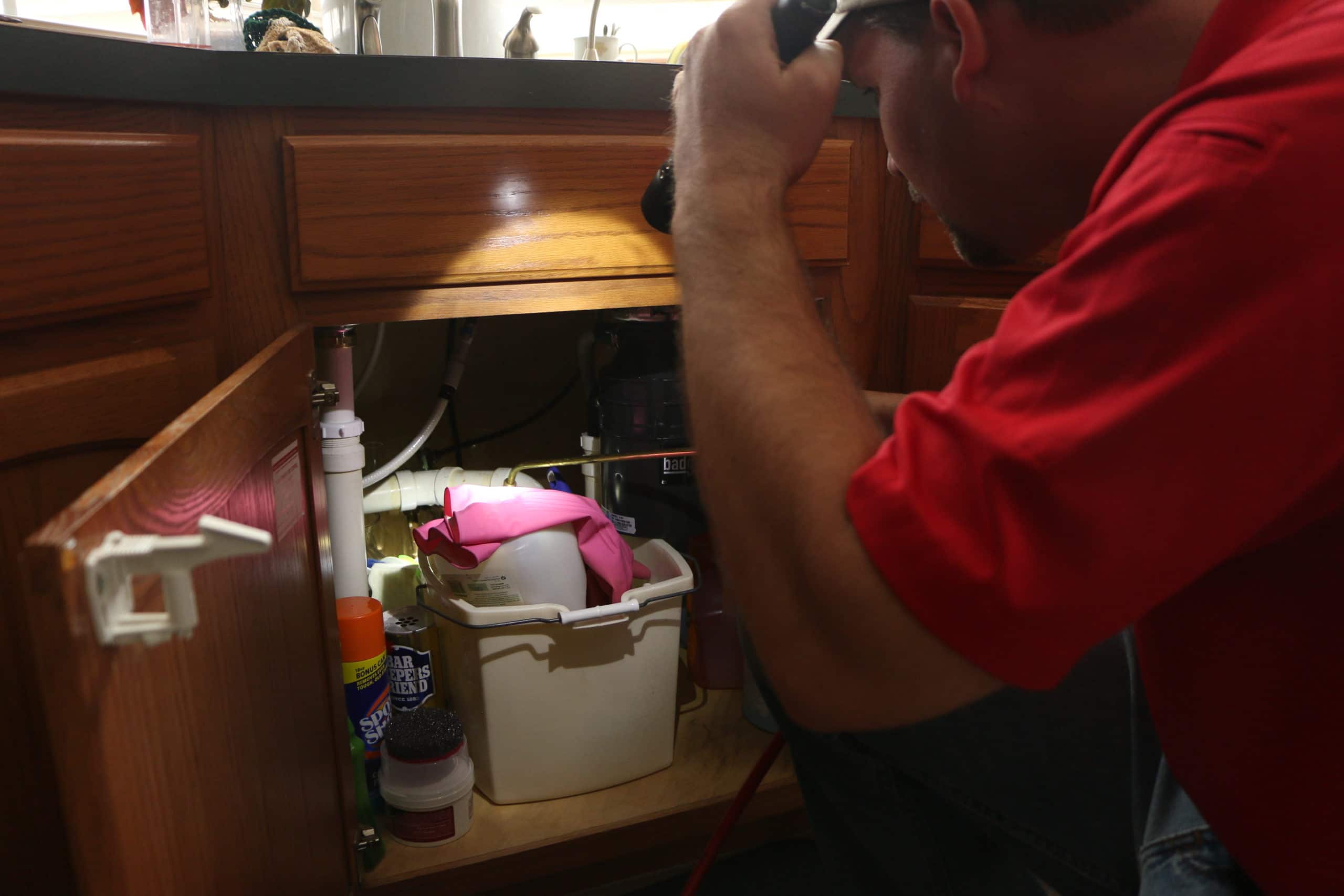
Call an ant exterminator when trails keep coming back, when you see large black ants or winged ants indoors (possible carpenter ants), when tiny ants spread after spraying (possible pharaoh ants), or when fire ant mounds are near the house. A professional starts by identifying the species, because the right bait and treatment depend on it, then finds the nests and entry points, treats the colony instead of the trail, and points out the moisture and access problems to fix. The Oklahoma ant ID guide can help you figure out what you are dealing with first.
Get ahead of ants this spring with Emtec
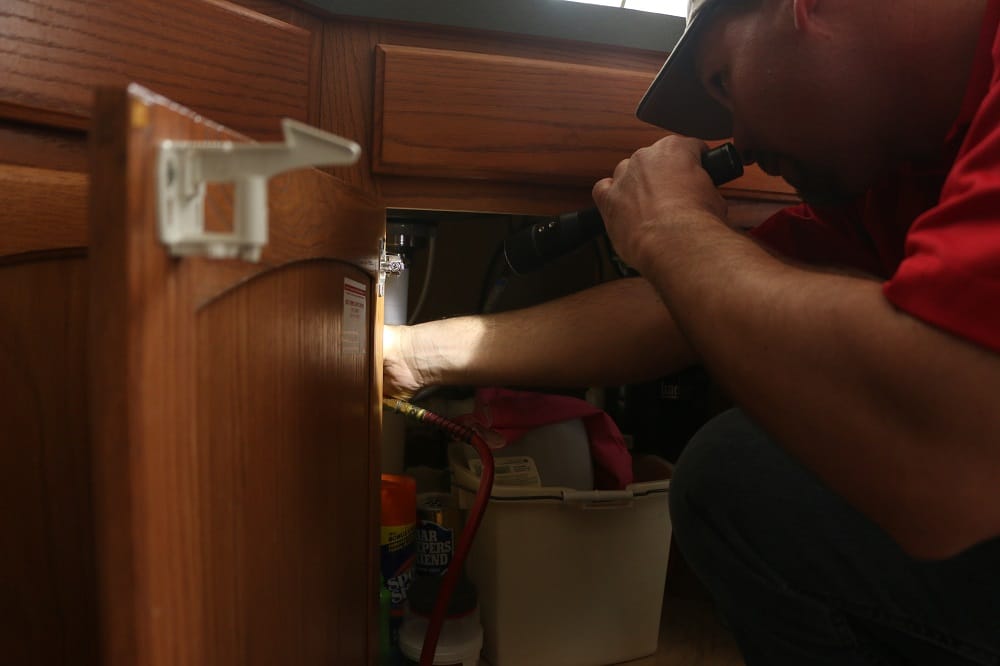
Emtec Pest Control has been the local ant exterminator for Oklahoma homes and businesses since 1979. We inspect inside and out, identify the ants, treat the nests and help you close the gaps they use to get in, so the problem does not come right back. We serve Tulsa, Broken Arrow, Owasso, Jenks, Bixby, Sand Springs, Sapulpa, Stillwater, Oklahoma City and Edmond. See our ant control service and preventative pest control plans, or contact us to schedule an inspection.
Frequently Asked Questions
When should you start ant control in Oklahoma?
Late winter to early spring. Do the sealing and cleanup in February and March, and start baiting as soon as you see the first foragers, usually March or April as the soil warms. Colonies are smaller then, and you get ahead of the summer peak.
Why do ants keep coming back after I spray?
Sprays kill the workers you can see, but the queen and the rest of the colony are safe in the nest and simply send out more. Some species, like pharaoh ants, even split into more colonies when sprayed. Slow-acting baits that workers carry home are what reach the nest.
Does vinegar get rid of ants?
Vinegar, lemon juice and peppermint or other plant oils wipe out the scent trail and kill ants they touch, but they leave no lasting effect and do nothing to the nest. Wiping trails with soapy water does the same job. They are a cleanup step, not a cure.
Does borax kill ants?
Borax and boric acid mixed into a sugar bait can work, because ants carry the bait back and share it. UC IPM recommends liquid borate baits of 0.5 to 1 percent in sugar water in refillable stations for some sugar-feeding ants. Keep any bait out of reach of children and pets.
How long do ant baits take to work?
Expect to see fewer ants in about 5 to 10 days, and allow several weeks for the colony to be gone. A large pharaoh ant infestation can take months. Do not spray near the bait in the meantime, or you will kill the workers carrying it home.
Sources
- Ants: Home and Landscape (Pest Notes) (opens in new tab)
- Ants (school IPM brochure) (opens in new tab)
- Red Imported Fire Ant, Solenopsis invicta (opens in new tab)
- The Two-Step Method: Managing Fire Ants Around Homes and in Neighborhoods (SP419) (opens in new tab)
- Pharaoh Ant, Monomorium pharaonis (opens in new tab)
- Pavement Ant (opens in new tab)