
To get rid of spiders, take away what they came for. Spiders live where they can find insects to eat and quiet places to hide, so the fastest, longest-lasting fix is to cut down the bugs they feed on, clear out webs and egg sacs, remove clutter and seal the gaps they use. Sprays and home remedies help less than most people expect. Here is what works in an Oklahoma home, what does not, and when it is time to call an exterminator.
Step one: know which spider you have
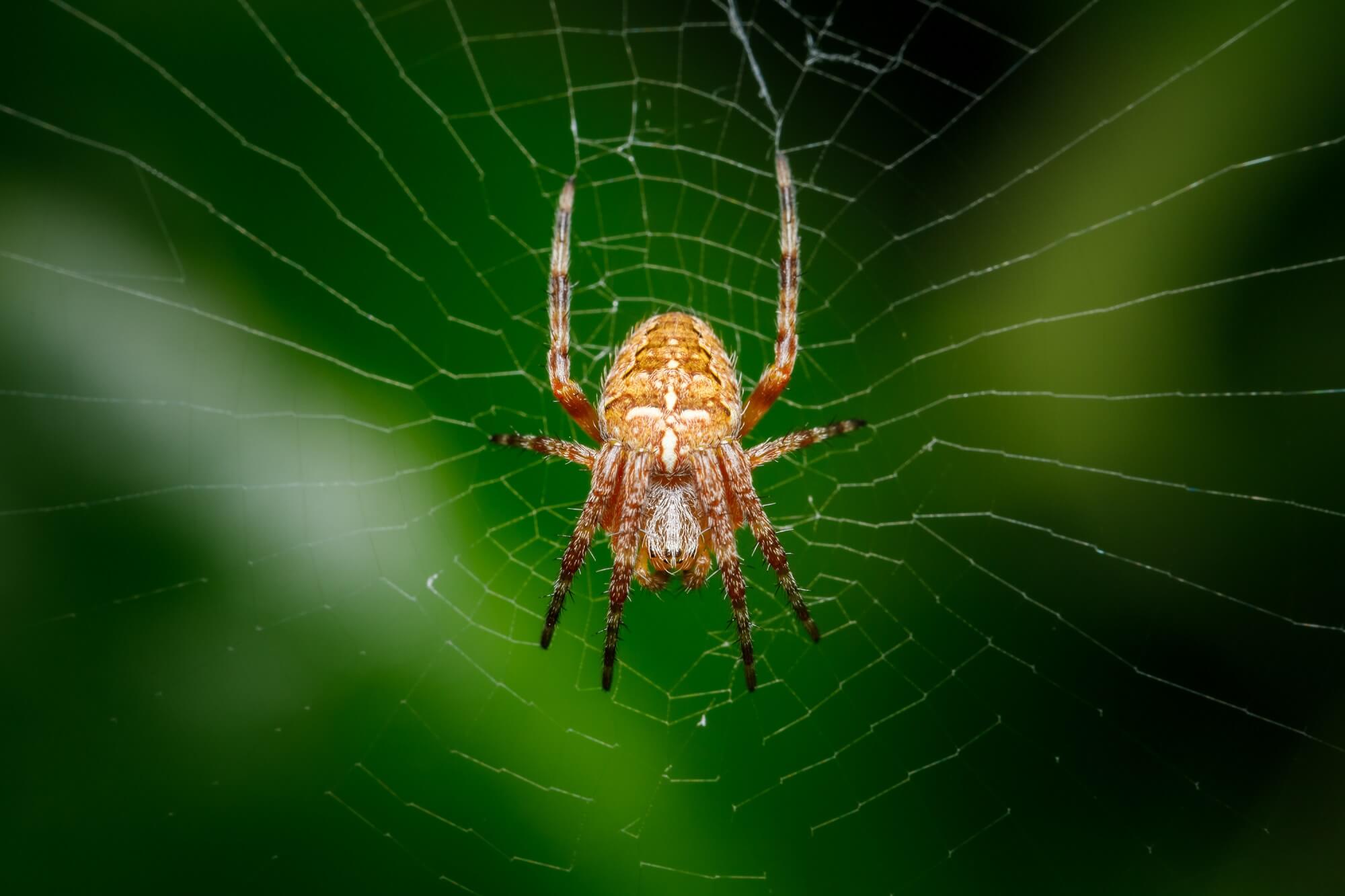
Most Oklahoma spiders are harmless and even helpful outdoors. Oklahoma State University Extension names only two in the state as dangerous to people, the brown recluse and the black widow. Which one you have changes the plan:
- Harmless house and garden spiders (cellar spiders, cobweb spiders, wolf spiders, jumping spiders, garden spiders): the steps below are usually enough.
- Brown recluses or black widows indoors: do the steps below, and call a professional. OSU Extension recommends a pest control firm for brown recluses in particular.
Not sure what you are looking at? Use our Oklahoma spider ID guide.
How to get rid of spiders in your house
1. Cut off their food
This is the step that matters most. Every spider in your home is there because it is catching something. Fix moisture problems, keep food sealed, take out trash, and deal with the crickets, flies, roaches, ants and moths that spiders hunt. When the insects go, spiders move on or starve. That is why preventative pest control for the whole house reduces spiders even without targeting them.
2. Vacuum webs, spiders and egg sacs
Go after corners, ceilings, window frames, behind and under furniture, closets, and rooms you rarely use. Empty the vacuum outside afterward. Getting egg sacs matters: one sac can hold dozens to hundreds of eggs.
3. Clear clutter
Brown recluses in particular hide in stacks of boxes, piles of clothes, shoes and anything left alone for weeks. Get things off the floor, swap cardboard boxes for sealed plastic bins in closets, garages and attics, and shake out items you bring in from storage.
4. Seal the way in
Spiders and the insects they eat get in through gaps around doors, windows, siding, pipes and wires. Caulk cracks, replace worn weather stripping, add door sweeps and repair torn screens. OSU Extension lists screening, weather stripping and caulk as the first line of control. Check again each season as the house settles.
5. Set sticky traps
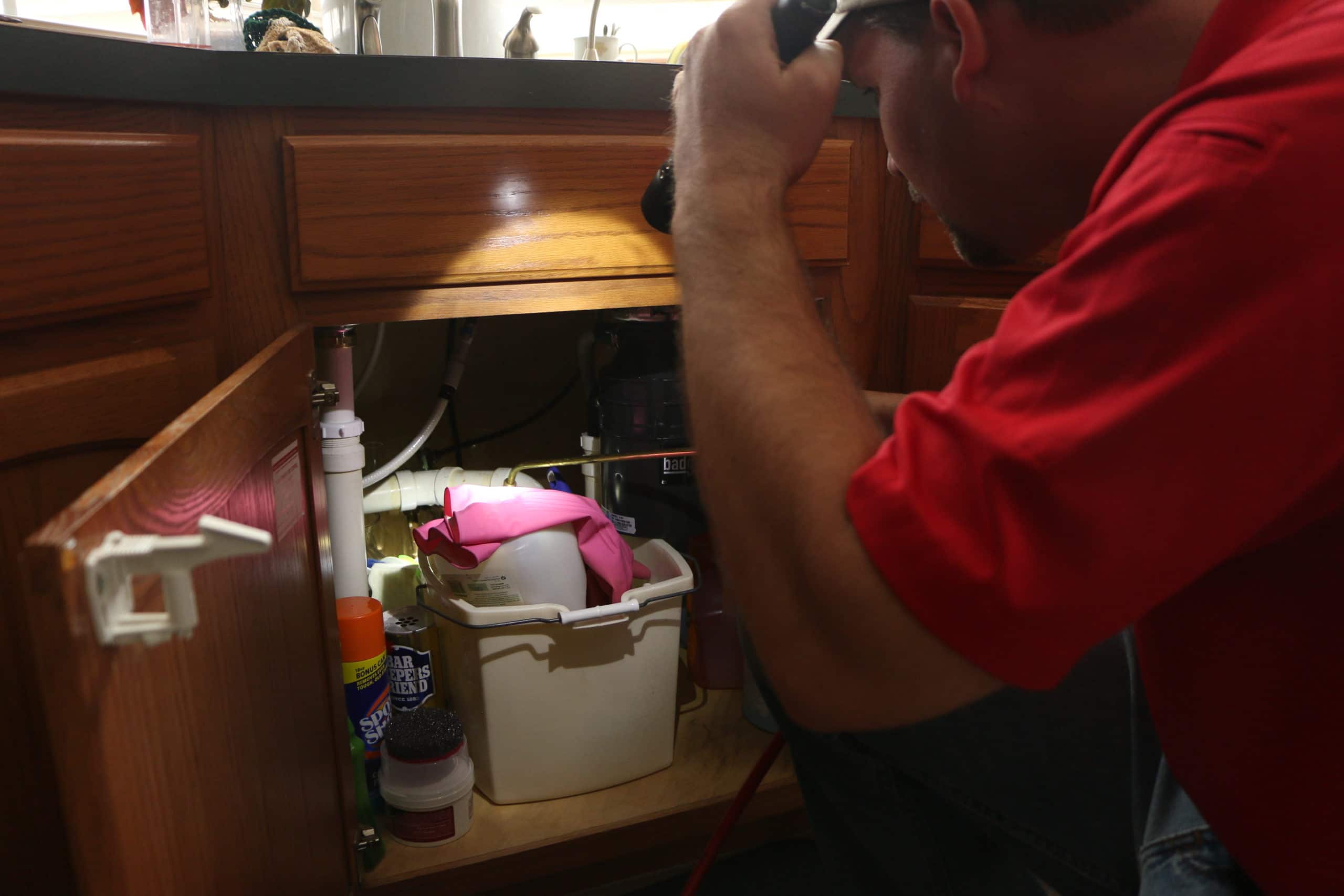
Glue traps along baseboards, behind furniture, in closets and in the garage catch wandering spiders, including recluses, and show you where they are active and what kind you have. OSU Extension recommends them.
6. Fix the outside
- Hose or sweep webs off eaves, porch ceilings and window frames.
- Trim shrubs and tree limbs so they do not touch the house.
- Move firewood, rock piles, boards and debris away from the foundation.
- Turn off unnecessary outdoor lights, or switch to yellow bulbs, which draw fewer insects. Fewer bugs at the porch light means fewer spiders.
Natural spider remedies: what works and what does not
Plenty of people want to avoid pesticides, and you can get a long way without them. The steps above are the natural approach that works. The popular home remedies are a different story:
- Vinegar, peppermint, citrus, cinnamon or lavender sprays. Widely recommended, but there is little evidence they keep spiders out for long, and they have to be reapplied often. They do no harm to try on hard surfaces; just do not rely on them for dangerous species.
- Horse chestnuts and other "repellent" objects. No reliable evidence that they work. They are also toxic if eaten, so keep them away from kids and pets.
- Borax. A common search, and a common misunderstanding. Borax works on roaches and ants, which eat or groom it off. Spiders rarely do either. It can help indirectly by reducing the insects spiders eat. Keep it where children and pets cannot reach it.
- A cat. Many cats chase spiders, but a pet can be bitten by a black widow or brown recluse, so this is not a plan for dangerous species.
Why spider problems come and go with the seasons
Spiders are in Oklahoma homes all year, but how many you notice changes with the season:
- Spring: eggs laid the previous fall hatch, and insects become plentiful. Warm, wet springs mean more insects and, later, more spiders.
- Summer: spiders grow quickly on the abundant food. Webs multiply outdoors.
- Late summer and fall: the peak for sightings. Spider researchers at the Burke Museum explain that most spiders crossing your floor in fall are adult males looking for mates, not outdoor spiders moving in. OSU Extension adds that spiders are at their biggest late in the season.
- Winter: spiders slow down but do not disappear. See do spiders die in winter.
Because the spring hatch comes from fall and winter egg sacs, cleaning up webs and egg sacs in the cooler months pays off when the weather warms.
What professional spider control does
Do-it-yourself steps handle most harmless spiders. A professional makes sense when you have brown recluses or black widows, when spiders keep coming back to the same rooms, or when you want it handled. At Emtec Pest Control, spider control works like this:
- Inspection. We find where spiders are living, how they are getting in, and whether venomous species are present.
- Targeted treatment. We treat the cracks, crevices, voids, eaves and other places spiders hide and travel, not just the open floor.
- Web and egg sac removal. Taking out egg sacs cuts off the next generation.
- The insects behind them. We treat the pests spiders are feeding on and point out the conditions that are drawing them in.
OSU Extension notes that brown recluse control often takes more than one treatment, and we will tell you what your home needs after the inspection.
Spider exterminator near you
Emtec Pest Control has been helping Oklahoma families get rid of spiders since 1979. If you want a spider exterminator in Tulsa, Broken Arrow, Owasso, Jenks, Bixby, Sand Springs, Sapulpa, Stillwater, Oklahoma City or Edmond, see our spider control service or contact us to schedule an inspection.
Frequently Asked Questions
Does borax kill spiders?
Not well. Borax works on insects like roaches and ants that eat or groom it off, and spiders rarely do either. It can still help by reducing the insects spiders feed on, but it is not a spider treatment.
Does vinegar or peppermint oil keep spiders away?
These sprays are popular, but there is little evidence that they keep spiders out for long, and they need to be reapplied often. Removing webs, cutting down insects and sealing gaps does far more.
What is the fastest way to get rid of spiders in my house?
Vacuum up the spiders, webs and egg sacs you can see, set sticky traps along walls, and clear clutter where they hide. Then deal with the insects they eat and seal the gaps they use. For dangerous species or a large population, call a professional.
When are spiders worst in Oklahoma?
Spiders are around all year, but most people notice them in late summer and fall, when adult males wander looking for mates and spiders have grown large. Warm, wet springs that produce lots of insects tend to lead to more spiders later in the year.