
Cockroaches can bite humans, but in a typical U.S. home it is very rare. Roaches have chewing mouthparts, and there are documented cases of them nibbling fingernails, toenails, calluses and skin, almost always in severe infestations where people were asleep and food was scarce. The real health concerns with cockroaches are different: the germs they carry onto food and surfaces, and the allergens in their droppings and shed skins that can trigger asthma. Here is what is known about each and how to reduce your exposure.
Worried about a bite or a reaction? See a doctor for any bite that is spreading, oozing or not healing, and for asthma symptoms that are getting worse. Call 911 for trouble breathing. Poison Help is free at 1-800-222-1222. This article is general information, not medical advice.
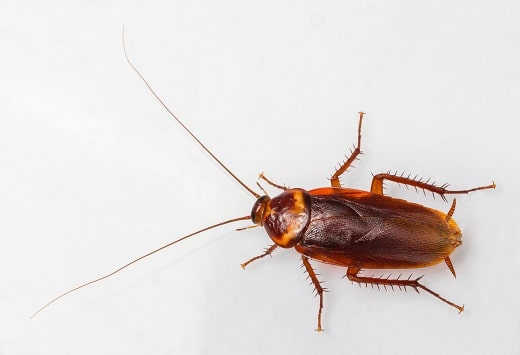
Do cockroaches bite?
An article in PCT magazine by entomologist Josh Shoemaker reviews the documented cases. Cockroaches aren't aggressive biters; when they do gnaw on people, they are after food residue, dead skin, calluses, nails or wounds. Most reports come from extreme situations:
- Ships: sailors on infested vessels reported roaches feeding on their nails, calluses and corns.
- Heavily infested homes: older reports describe bites around the mouths of infants, and entomologists have documented children losing eyelashes to roaches feeding near the eyes.
- Severe poverty: a 2013 study documented German cockroaches feeding on villagers, mostly children, in a remote Brazilian community, leaving crusted sores and scars.
The species named in these reports are the American, German and oriental cockroaches, all of which live in Oklahoma. The article stresses that in the United States bites are very rare, and that the risk rises only in severe infestations, mainly for young children. Bites usually happen during sleep, so they often go unnoticed.
What a cockroach bite looks like
There is no distinctive cockroach bite. Reported bites range from small red, irritated spots to inflamed, crusted sores in severe cases. Bites people find in the morning are far more often from something else, such as mosquitoes, bed bugs, fleas or chiggers. If a bite is spreading, oozing or slow to heal, have a doctor look at it.
Cockroaches and germs
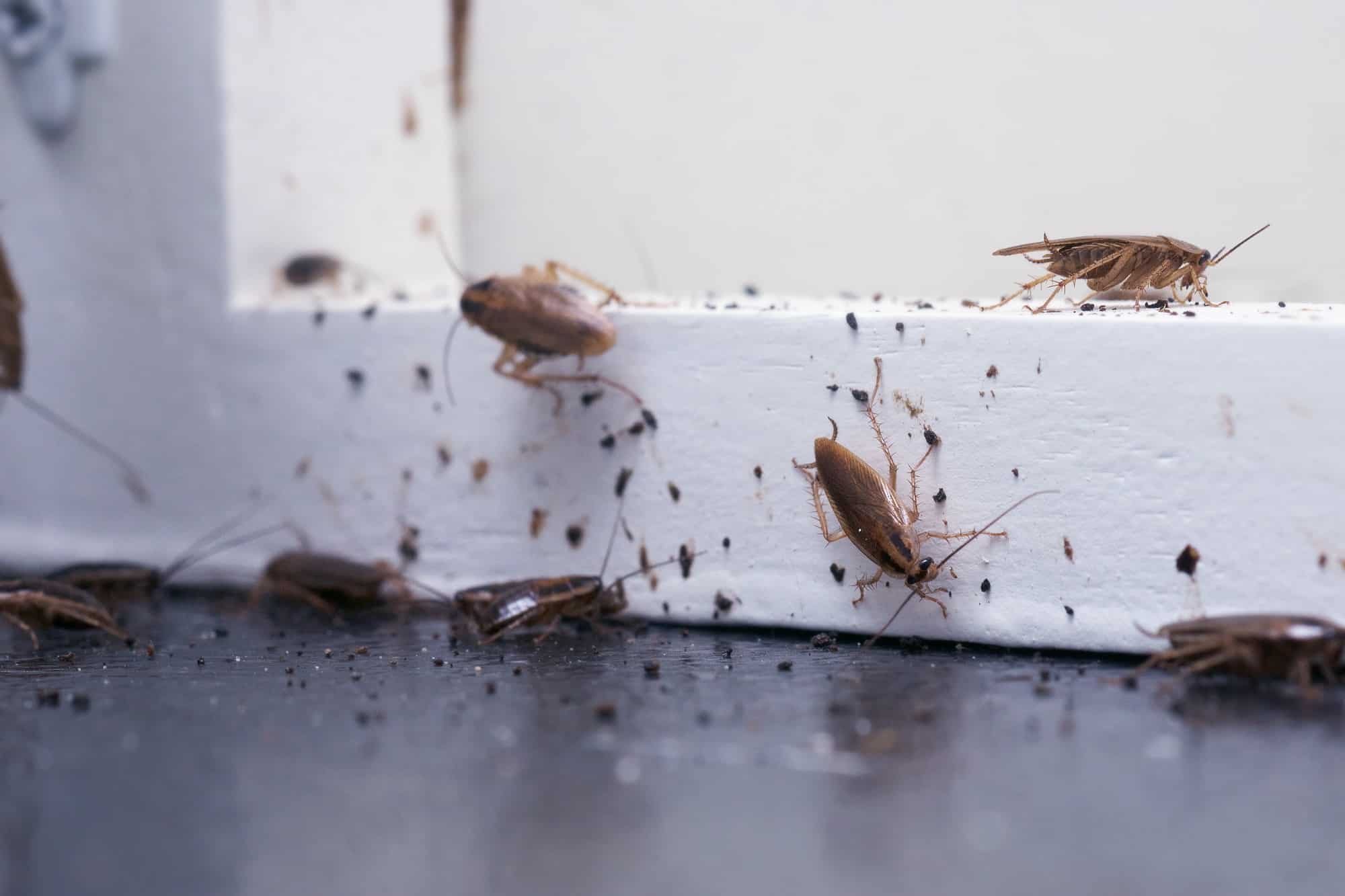
The bigger risk is contamination. Cockroaches move from drains, garbage and sewers to kitchens and pantries, often at night while no one is watching. The EPA says they carry bacteria that can cause salmonella, staphylococcus and streptococcus infections if deposited on food, and the University of Kentucky says they can transfer microbes that cause food poisoning and other illnesses. They pick up germs on their legs and bodies and leave them, along with droppings, on counters, dishes and food.
That is why food that roaches have been into, and surfaces where they travel, should be thrown out or cleaned, and why roaches in a restaurant or food business are an urgent problem.
Cockroaches, allergies and asthma
Cockroach droppings, saliva and shed skins contain allergens. The EPA says they can cause asthma and allergies, especially in children, and the University of Kentucky lists congestion, sneezing and watery eyes, and in severe cases asthma attacks, which are particularly common among children in crowded housing. Texas A&M AgriLife notes that German cockroaches in particular are associated with allergies and asthma.
Allergens stay behind after the roaches are gone. After treatment, vacuum droppings, shed skins and dead roaches from cabinets, drawers and behind appliances, using a HEPA-filter vacuum if you can (Texas A&M).
How to limit your exposure
- Store food sealed. Keep pantry food, pet food and leftovers in tight containers or the refrigerator.
- Don't leave food out overnight. Wash dishes, wipe counters and take out garbage before bed (EPA, University of Kentucky).
- Fix leaks. Roaches need water. Check under sinks and around dishwashers and refrigerators.
- Seal cracks. Caulk gaps around sinks, cabinets and pipes, and add door sweeps.
- Clean behind appliances. The EPA recommends pulling out stoves and cleaning refrigerator drip pans periodically.
- Treat infestations promptly. The longer roaches stay, the more allergen builds up. See how to get rid of cockroaches.
For other pests that affect health, see which Oklahoma pests are harmful to people and pets.
Cockroach exterminator in Oklahoma
Emtec Pest Control has been protecting Oklahoma homes and businesses from cockroaches since 1979. We identify the species, find where the roaches are hiding and breeding, and treat those spots directly, so the infestation and the allergens it leaves behind stop building up. If you need a roach exterminator in Tulsa, Broken Arrow, Owasso, Jenks, Bixby, Sand Springs, Sapulpa, Stillwater, Oklahoma City, Edmond or nearby towns, see our roach control service or contact us.
Frequently Asked Questions
Do cockroaches bite people in their sleep?
It has happened, but rarely. Documented cases involve severe infestations, on old ships, in heavily infested homes and in very poor living conditions, where roaches nibbled the nails, calluses or skin of people who were asleep. In a typical U.S. home, a bite is very unlikely.
What does a cockroach bite look like?
There is no reliable way to recognize one. Reported bites have looked like small red, irritated spots and, in severe cases, crusted sores. Bites blamed on roaches are usually from something else, such as mosquitoes, fleas or bed bugs, so see a doctor if a bite is spreading, oozing or not healing.
Can cockroaches make you sick?
They can. The EPA says cockroaches can carry bacteria such as salmonella, staphylococcus and streptococcus onto food, and the University of Kentucky notes they can transfer germs that cause food poisoning and other illnesses.
Can cockroaches cause asthma?
Their allergens can trigger it. The EPA says cockroach droppings, saliva and shed skins can cause asthma and allergies, especially in children, and the University of Kentucky notes the allergens can cause congestion, sneezing and watery eyes.
Are dead cockroaches still a problem?
Their allergens can be. Droppings, shed skins and dead roaches still carry allergens, so vacuum them up after treatment, ideally with a HEPA-filter vacuum, as Texas A&M AgriLife recommends.