
Most bugs in Oklahoma are harmless, but a handful are real health risks to people and pets. The ones that matter most are ticks, mosquitoes, stinging insects (for anyone allergic), two spiders (the brown recluse and the black widow) and rodents. Cockroaches and mice also cause quieter harm through allergens that can trigger asthma. Here is what each one does, who is most at risk and how to protect your household.
Medical emergency? Call 911 for trouble breathing, swelling of the face or throat, chest pain, confusion or a severe reaction to a bite or sting. For advice on a bite, sting or swallowed pesticide, Poison Help is free at 1-800-222-1222. For pets, call your veterinarian. This article is general information, not medical advice.
Oklahoma's harmful pests at a glance
| Pest | Main risk to people | Main risk to pets | Peak season |
|---|---|---|---|
| Ticks | Rocky Mountain spotted fever, ehrlichiosis, tularemia, alpha-gal syndrome | Tick-borne illness in dogs; bobcat fever in cats | May to August (some ticks active in cool months) |
| Mosquitoes | West Nile virus | Heartworm | Late spring to fall |
| Wasps, bees, fire ants | Painful stings; severe allergic reactions | Stings to the face and mouth | Spring to fall |
| Brown recluse | Bites that can damage skin | Bites | Year-round indoors |
| Black widow | Painful bites with muscle cramps | Bites | Warm months |
| Striped bark scorpion | Painful sting, rarely serious | Stings | Summer |
| Mice and rats | Hantavirus, contaminated food, allergens, chewed wiring | Rodent bait poisoning | Fall and winter indoors |
| Cockroaches | Allergens and asthma, contaminated surfaces | Minor | Year-round indoors |
| Fleas | Itchy bites | Itching, allergies, anemia in heavy infestations | Warm months |
Ticks
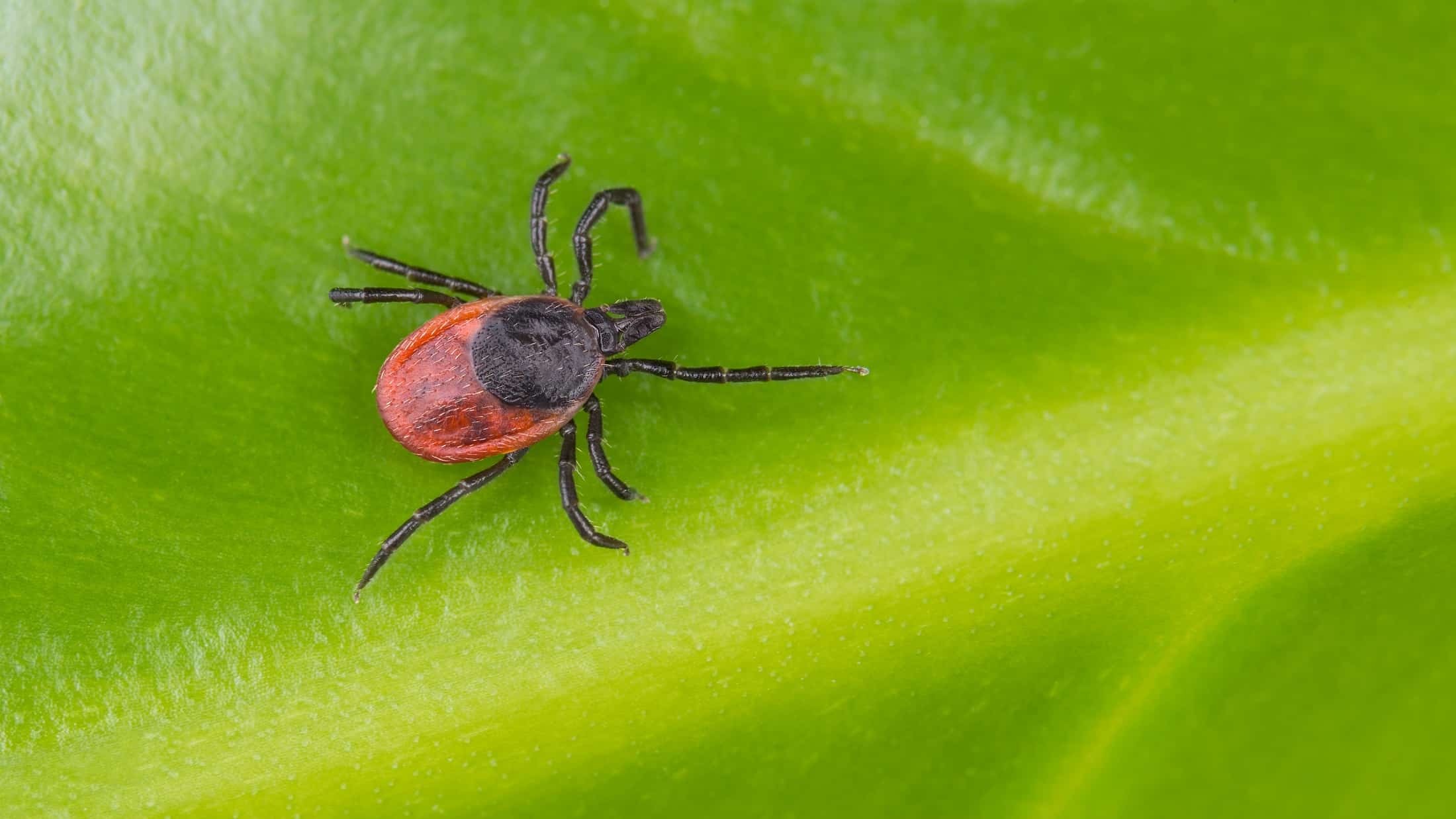
The Oklahoma State Department of Health names Rocky Mountain spotted fever, ehrlichiosis and tularemia as the main tick-borne illnesses in the state, and says Oklahoma has one of the higher rates in the country. Risk is highest from May to August, when ticks are most active, and the department advises seeing a doctor for fever or other symptoms within 14 days of a tick bite. The lone star tick, the tick Oklahomans meet most often, is also linked to alpha-gal syndrome, a red meat allergy.
For pets, ticks spread illnesses to dogs, and bobcat fever is a serious tick-borne disease of cats. Ask your veterinarian about prevention. For Oklahoma's five common ticks and how to remove one safely, see the difference between fleas and ticks; for the yard, see how to get rid of fleas and ticks in your yard.
Mosquitoes
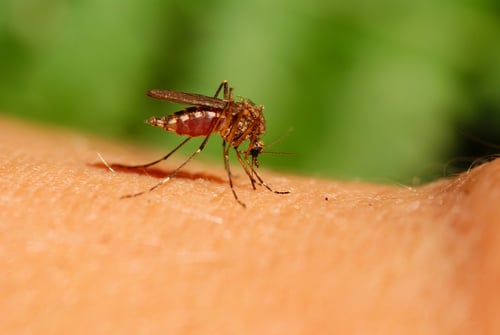
Mosquitoes are more than itchy. In Oklahoma they can spread West Nile virus to people, and they spread heartworm to dogs and cats. Most people infected with West Nile have no symptoms, but some get seriously ill, especially older adults. Use an EPA-registered repellent, wear long sleeves at dawn and dusk and dump standing water every week. See the Oklahoma mosquito ID guide and the worst time of day for mosquitoes.
Wasps, bees and fire ants
For most people a sting is painful but passes. For people with a sting allergy, a single sting can cause a life-threatening reaction, which is why nests near doors, play areas and walkways should be handled carefully. Yellowjackets nest in the ground and in walls and defend aggressively. Fire ants sting repeatedly and leave itchy pustules. See what to do after a wasp sting, the Oklahoma wasp and bee ID guide and why ants attack you.
Brown recluse and black widow spiders
Oklahoma State University Extension says only two spiders in the state, the brown recluse and the black widow, are considered dangerous to people. A brown recluse bite can kill the skin around it and leave a sunken scar that takes weeks to heal. Black widow venom affects the nerves and can cause severe pain and cramps, though OSU notes deaths are rare. See a doctor for any suspected bite. Everything else in your house is a nuisance at most; see the Oklahoma spider ID guide, brown recluse spiders and black widow bites.
Scorpions
Oklahoma's common scorpion is the striped bark scorpion. It is venomous but not considered lethal; the sting feels like a bad bee sting, with numbness that usually fades within a day. The dangerous bark scorpion people read about is the Arizona bark scorpion, which lives in the Southwest, not Oklahoma. See scorpions in Oklahoma.
Mice and rats
Rodents contaminate food and surfaces with urine and droppings, chew wiring and insulation and bring in fleas and ticks. The CDC says hantavirus spreads mainly when fresh urine, droppings or nesting material from an infected rodent are stirred up and the virus gets into the air, and that keeping rodents away from your home is the best protection. Never sweep or vacuum droppings; wet them with disinfectant first and wear gloves. Rodent baits are a danger to pets too, so keep them in locked stations or leave them to a professional. See how to get rid of rodents for the full cleanup steps.
Cockroaches, allergies and indoor air
Pests affect the air you breathe. The EPA says droppings or body parts of cockroaches and other pests can trigger asthma, and that cockroach allergens likely play a significant role in asthma in many urban areas. Mouse urine and droppings are allergens too. Unlike pollen, these triggers do not go away with the seasons; they are indoors all year, and they build up in dust, carpets and HVAC returns.
- Keep counters, sinks, tables and floors clean, clean up crumbs and spills right away and store food in airtight containers, as the EPA recommends.
- Seal cracks and openings around and inside cabinets.
- Fix leaks and keep humidity down; damp homes support roaches, dust mites and mold.
- Vacuum often, ideally with a HEPA vacuum, and change HVAC filters on schedule.
- Choose pest control methods that pose less risk. The EPA reminds families that insecticides can harm people too, so baits, traps and sealing beat heavy spraying in a home with asthma.
See the Oklahoma cockroach ID guide and what draws pests inside.
Fleas
Fleas are mostly an itch for people, but heavy infestations make pets miserable, cause flea allergy dermatitis and can lead to anemia in young or small animals. Treat the pet, the house and the yard at the same time. See can fleas fly?
Keeping pets safe from pests and from pest control
- Keep pets on veterinarian-recommended tick, flea and heartworm prevention.
- Never use a dog flea product on a cat.
- Keep baits, traps and pesticides out of reach, and keep pets out of treated areas until sprays dry.
- If a pet may have eaten a pesticide or rodent bait, call your veterinarian or the ASPCA Animal Poison Control Center at 888-426-4435 right away.
When to call a professional for dangerous pests
Call for help when the pest is hard to reach (wall voids, attics, underground nests), when someone in the house is allergic or has asthma, when you cannot tell what it is, or when the problem keeps returning. Seasonal timing helps too; the Oklahoma pest calendar shows when each of these pests peaks.
Protect your family with a local exterminator
Emtec Pest Control has been protecting Oklahoma families since 1979. We identify the pest, treat where it lives with your family and pets in mind and show you what to change so it stays gone. Our preventative pest control plan starts with an initial service and continues with return visits, and we offer flea and tick, mosquito, spider and rodent control. We are the exterminator for Tulsa, Broken Arrow, Owasso, Jenks, Bixby, Sand Springs, Sapulpa, Stillwater, Oklahoma City and Edmond. Contact us to schedule an inspection.
Frequently Asked Questions
What is the most dangerous pest in Oklahoma?
For most families, ticks. The Oklahoma State Department of Health says Rocky Mountain spotted fever, ehrlichiosis and tularemia are the main tick-borne illnesses in the state, with risk highest from May to August. For anyone with a severe sting allergy, wasps, bees and fire ants can be just as serious.
Do house ants carry disease?
Most ants found in Oklahoma homes are a nuisance rather than a health risk. The real hazards are fire ant stings, which can cause painful pustules and, in allergic people, severe reactions, and carpenter ants, which damage wood. Keep ants out of food and treat the colony, not just the trail.
Are Oklahoma scorpions poisonous?
Oklahoma's common scorpion, the striped bark scorpion, is venomous but not considered lethal. Oklahoma State University compares the sting to a bad bee sting, with numbness that usually fades within a day. Watch for allergic reactions and call Poison Help with questions.
Can cockroaches and mice make asthma worse?
Yes. The EPA says droppings or body parts of cockroaches and other pests can trigger asthma, and that cockroach allergens likely play a significant role in asthma in many urban areas. Mouse urine and droppings are allergens too. Cleaning, sealing and steady pest control reduce exposure.
Which pests are dangerous to dogs and cats?
Ticks, which spread illnesses to dogs and cause bobcat fever in cats; mosquitoes, which spread heartworm; fleas, which cause itching, allergies and anemia in heavy infestations; stinging insects; and rodent baits or poisoned rodents if a pet eats them. Talk to your veterinarian about tick, flea and heartworm prevention.
Sources
- Oklahomans Should Be Aware of Ticks, Diseases (opens in new tab)
- Spiders: Brown Recluse, Black Widow and Other Common Spiders (opens in new tab)
- Hantavirus Prevention (opens in new tab)
- Asthma Triggers: Gain Control (opens in new tab)
- Citizen's Guide to Pest Control and Pesticide Safety (opens in new tab)