
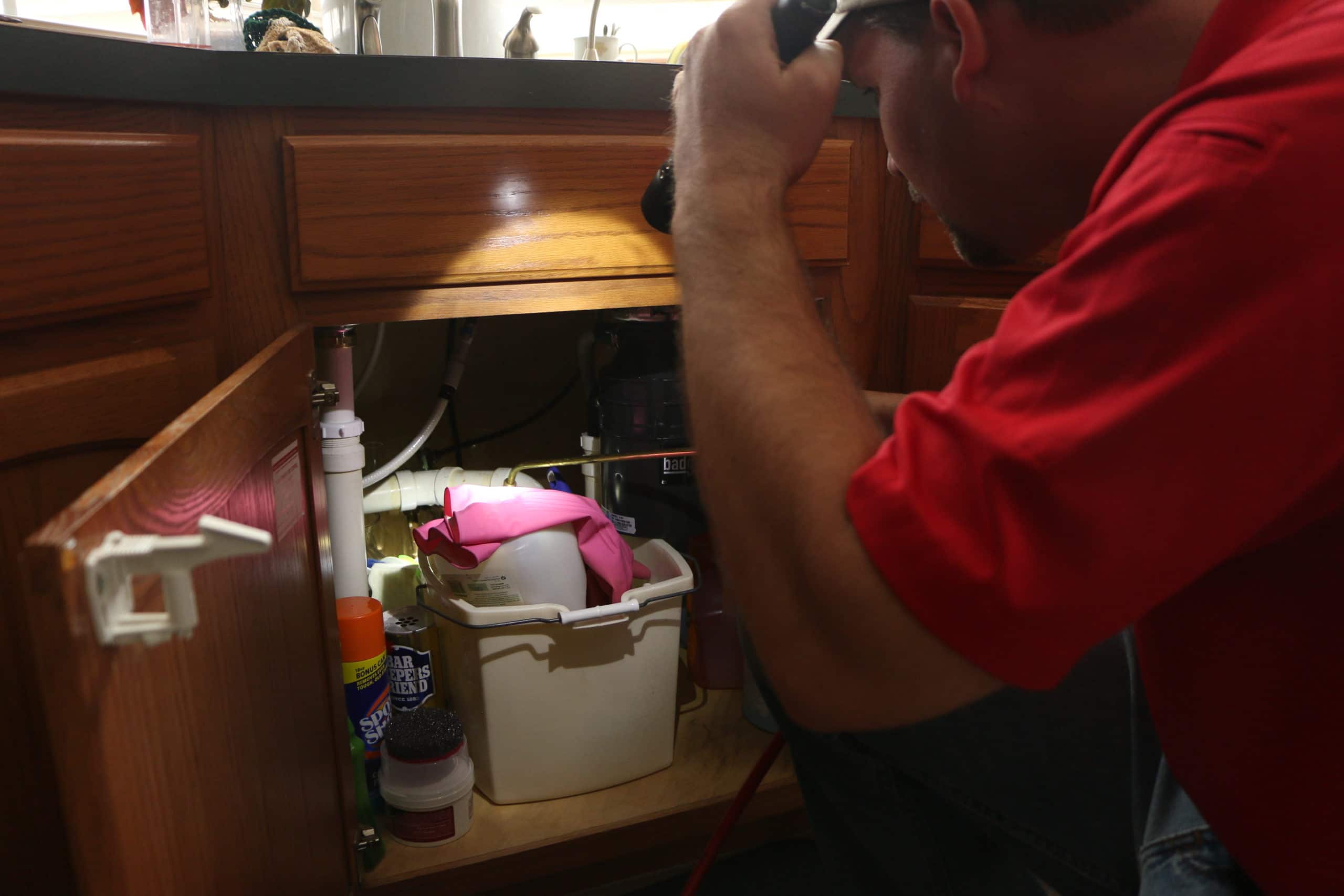

A dirty home can attract pests, but dirt itself is not the draw. Pests come for three things: food, water and shelter. A messy home offers more of all three, so an infestation grows faster there and is harder to clear. A clean home can still get roaches, ants, spiders and mice, because most of them come in through gaps, damp spots and things you carry inside.
What pests are really looking for
Every household pest is after the same short list. Take away any one of them and your home becomes a much worse place to live and breed.
| Need | Where pests find it indoors | Pests it draws |
|---|---|---|
| Food | Crumbs, grease, open packages, pet food, garbage, paper and glue | Roaches, ants, mice, rats, pantry beetles, silverfish |
| Water | Drips under sinks, sweating pipes, damp crawl spaces, pet bowls, standing water outside | Roaches, silverfish, earwigs, termites, mosquitoes |
| Shelter | Clutter, cardboard, wall voids, gaps behind appliances, dense shrubs and mulch | Spiders, roaches, mice, scorpions, crickets |
| A way in | Gaps around pipes and doors, torn screens, vents, boxes and bags carried inside | Nearly all of them |
The EPA's advice for keeping roaches and other pests down reads like a cleaning list for this reason: keep counters, sinks, tables and floors clean and free of clutter, clean up dishes, crumbs and spills right away, store food in airtight containers and seal cracks around cabinets.
How a messy home helps pests
More food
Unwiped counters, unmopped kitchen floors, dishes left overnight and open cereal boxes keep roaches, ants and mice fed. Stacks of paper and cardboard feed silverfish. Pet food left out all day feeds almost everything. German cockroaches in particular build up fast in kitchens with grease and crumbs; see German cockroaches.
More hiding places
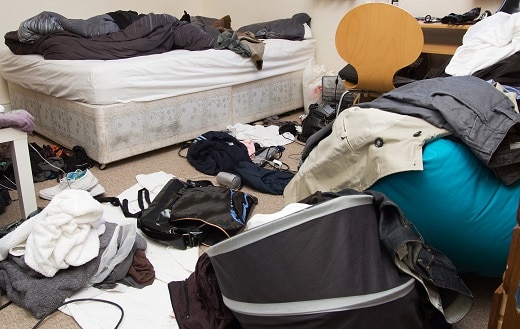
Clutter does not create pests, but it gives them places to hide and breed where you cannot see them and a technician cannot reach them. Cardboard boxes are the worst offender: they soak up moisture, have corrugated hiding spaces and are carried in from stores and garages. Oklahoma State University Extension lists closets, basements, attics and stored boxes among the places brown recluse spiders live; see brown recluse spiders.
More predators that follow
Spiders move in where insects are plentiful. If you see a lot of spiders, there is usually something feeding them. Clearing out the insects clears out the spiders.
Why clean homes still get pests
- Moisture. A slow leak under a sink, a damp crawl space or a clogged gutter can support roaches, silverfish, earwigs and termites in an otherwise spotless house.
- Gaps. The CDC says mice can squeeze through a gap about 1/4 inch wide, and ants and spiders need far less. Gaps around plumbing, cables, dryer vents and garage doors are common entry points; see how mice get in houses.
- Hitchhikers. Roaches arrive in grocery bags, appliance boxes and used furniture. Fleas ride in on pets.
- The yard. Mulch piled against the siding, shrubs touching the walls, firewood stacked on the house and tree limbs over the roof all give pests a bridge inside.
- Weather. Heat, drought and cold snaps push pests indoors looking for water and shelter. The Oklahoma pest calendar shows what to expect each month.
- Neighbors. In apartments, duplexes and townhomes, pests travel between units through shared walls and plumbing.
Moisture: the problem people overlook
Many pests can go longer without food than without water. Moisture problems also tend to be hidden, so they keep feeding pests long after the kitchen is clean.
- Fix dripping faucets, leaking drain lines and sweating pipes, especially under kitchen and bathroom sinks.
- Run bathroom fans and use a dehumidifier in damp basements and crawl spaces.
- Make sure the dryer vents outdoors and the vent flap closes.
- Keep gutters clear. Clogged gutters hold wet leaves where earwigs and other insects shelter, stay damp enough to breed mosquitoes and push water against the foundation.
- Point downspouts away from the house and grade soil so water drains away from the foundation.
- Dump standing water outside at least once a week: saucers, buckets, toys, tarps and birdbaths. See mosquito prevention tips.
Damp soil and wood against the house also draw subterranean termites; see what attracts termites to homes.
A room-by-room plan to make pests feel unwelcome
Kitchen
- Wipe counters and sweep the floor every night; clean under the toaster, microwave and stove now and then.
- Keep dry goods, pet food and birdseed in sealed plastic or glass containers.
- Take out trash daily and keep a tight lid on the can; rinse recycling.
- Do not leave pet food out overnight.
Bathrooms and laundry
- Fix leaks and wipe up standing water.
- Seal gaps where pipes go through the wall or floor.
Bedrooms, closets and storage
- Get rid of cardboard boxes and store items in plastic bins with tight lids.
- Keep things off the floor in closets, garages and attics so you can see and clean.
- Inspect secondhand furniture, rugs and electronics before bringing them inside.
Outside
- Trim shrubs back from the foundation and tree limbs back from the roofline so plants do not touch the house.
- Keep a strip next to the foundation free of mulch, leaves and grass clippings.
- Store firewood off the ground and away from the house, and bring in only what you will burn soon.
- Repair torn screens, add door sweeps and seal gaps around pipes, wires and vents.
Apartments and shared walls
Apartment living brings its own challenges. You can keep your unit spotless and still see roaches or mice coming from next door. Keep food sealed and trash out daily, seal gaps under sinks and behind appliances, and tell your property manager as soon as you see activity. In multi-unit buildings, treatment works best when neighboring units are inspected and treated together, not one apartment at a time.
Why it matters for your health
Pests are not only a nuisance. The EPA notes that droppings or body parts of cockroaches and other pests can trigger asthma. The CDC says the best protection against hantavirus is avoiding rodents and their waste, which starts with keeping rodents out of the house. More on this in Oklahoma pests that are harmful to people and pets.
Make it part of your home maintenance routine
Pest prevention works best when it rides along with chores you already do. Check under sinks when you change the water filter, clean gutters when the leaves drop, walk the foundation when you change the HVAC filter and reseal gaps when you recaulk windows. The pest calendar lines these jobs up with the seasons, and the pre-treatment checklist helps if you are about to have a service.
When cleaning is not enough, call an exterminator
If you are seeing roaches in daylight, droppings in drawers, ant trails that keep coming back or signs of mice in the walls, cleaning alone will not catch up. Emtec Pest Control has been helping Oklahoma homeowners since 1979. We find where pests are getting in and what is feeding them, treat the problem and show you what to fix so they stay out. Our preventative pest control plan starts with an initial service and keeps going with return visits. We are the local exterminator for Tulsa, Broken Arrow, Owasso, Jenks, Bixby, Sand Springs, Sapulpa, Stillwater, Oklahoma City and Edmond. Contact us to schedule a visit.
Frequently Asked Questions
Do only dirty houses get roaches?
No. Roaches, ants and mice turn up in spotless homes too. They come in through gaps, drains and plumbing, in boxes and grocery bags, or from a neighboring unit. A messy kitchen makes an infestation grow faster and harder to clear, but a clean one is not immune.
What attracts pests to a clean house?
Usually water and shelter rather than food. Leaky pipes, damp crawl spaces, clogged gutters, mulch against the foundation, shrubs touching the siding and gaps around pipes and doors all invite pests, however clean the inside is.
Does clutter really cause pests?
Clutter does not create pests, but it gives them places to hide and breed that you cannot see or treat. Cardboard boxes and stacked paper are favorite hiding spots for roaches, silverfish and brown recluse spiders. Plastic bins with tight lids are a better choice for storage.
Can moisture cause a pest problem?
Yes. Roaches, silverfish, earwigs and subterranean termites all depend on moisture, and mosquitoes breed in standing water. Fixing leaks, drying out crawl spaces and keeping gutters and downspouts flowing away from the house removes a big part of what pests need.
How do I keep pests out of an apartment?
Keep food sealed and trash out daily, seal gaps under sinks and around pipes, inspect secondhand furniture before bringing it in, and report pests to your property manager early. In shared buildings, pests move between units, so treatment works best when the whole building is involved.