
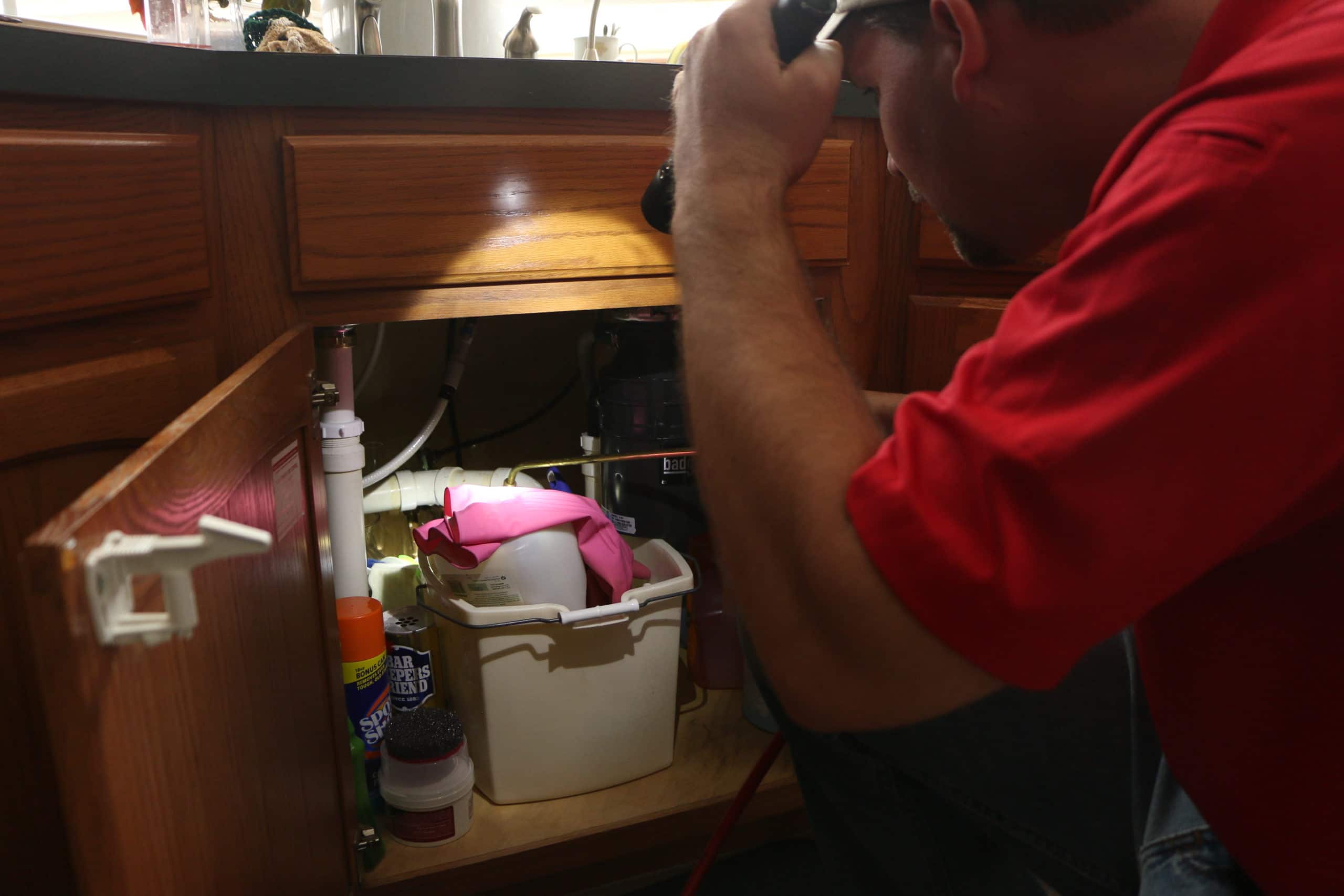
Termites are attracted to moisture and to wood they can reach without leaving the soil. Around an Oklahoma home, that means wet soil along the foundation, wood touching the ground, mulch piled against the siding, firewood and stumps close to the house, and damp crawl spaces. Subterranean termites live in the soil in every Oklahoma county, so no home is off limits, but each of these conditions makes yours an easier target. Here is what draws them in and a checklist for making your home less inviting.
What termites need
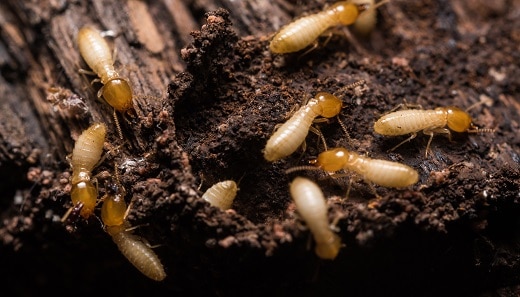
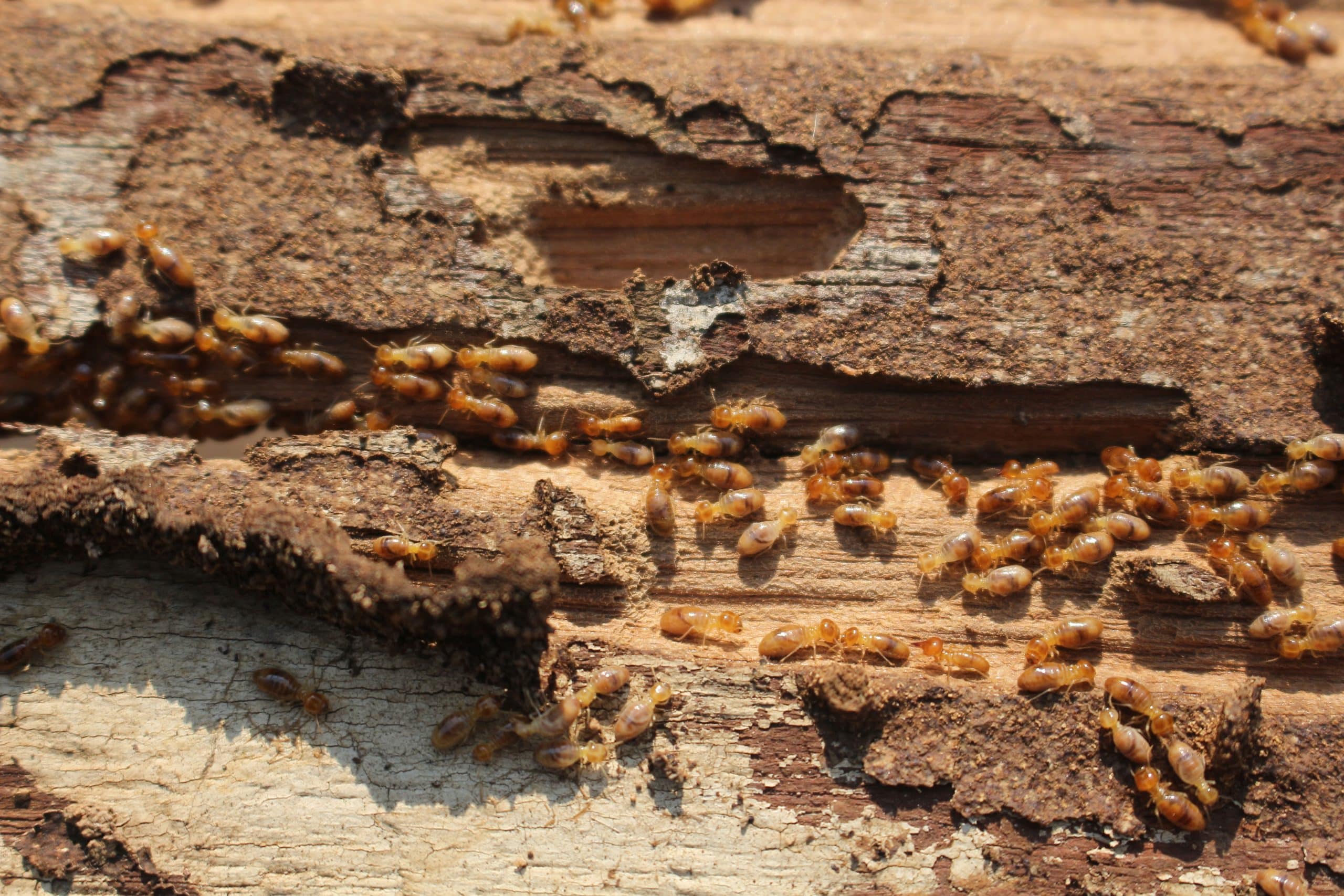
Oklahoma's termites are subterranean termites. They live in colonies in the soil and need three things: moisture, food made of cellulose, and shelter from open air. UF/IFAS entomologists stress that subterranean termites need moisture to survive. They forage out from the nest looking for wood, and an eastern subterranean colony can forage up to about 150 feet. Any wood in your house is potential food, and the conditions below make it easier for them to find it and stay.
The biggest termite attractions
1. Moisture near the foundation
The University of Kentucky says termites are attracted to moisture and are more likely to infest where the soil beside the foundation stays wet. Common causes are clogged gutters, downspouts that dump water at the wall, soil sloping toward the house, sprinklers hitting the foundation, leaky outdoor faucets and a dripping AC condensate line. OSU's Brad Kard puts it plainly: termites are hard to manage until moisture and sanitation problems are fixed.
2. Wood touching the soil
Wood in contact with the ground gives termites food, moisture and a hidden way in. Look for siding, door frames, porch steps, deck posts, lattice and fence boards that touch the dirt. The University of Kentucky recommends keeping wood siding and door and window frames at least six inches above the soil, and warns that pressure-treated wood is not immune, since termites can enter through cracks and cut ends or tunnel over the surface.
3. Mulch piled against the house
Mulch draws termites mainly because it keeps the soil moist and evens out temperatures. The University of Kentucky says the type of mulch makes little difference, and stone or pea gravel holds moisture too. Keep mulch to a couple of inches, and OSU Extension recommends raking wood mulch back at least six inches from exterior walls. Never let mulch or soil cover the bottom of the siding or the weep holes in brick.
4. Firewood, lumber and debris
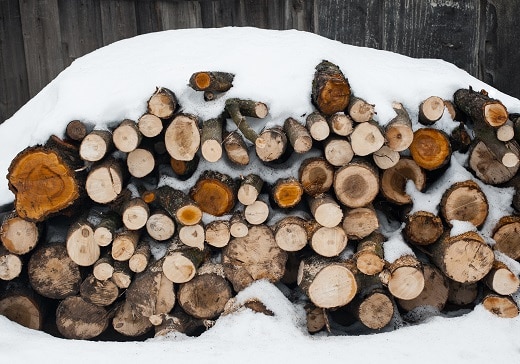
Firewood stacked against the house, scrap lumber in the crawl space, old landscape timbers, cardboard boxes on a damp garage floor and leftover form boards from construction are all food. OSU recommends keeping firewood off the ground and away from the house, and removing wood debris, dead shrubs, paper and cardboard from around the foundation.
5. Stumps and dead trees
Stumps and dead roots feed termite colonies right in the yard. For new construction, OSU's Brad Kard recommends removing tree stumps within 75 feet of the house. For existing homes, have stumps near the house ground out or removed when practical.
6. Damp crawl spaces
Most Oklahoma homes without basements sit on a slab or a crawl space. A humid crawl space with standing water, blocked vents or bare soil is ideal termite habitat. The University of Kentucky recommends keeping vents clear and covering most of the soil with polyethylene sheeting to cut down on moisture, and Texas A&M AgriLife suggests a dehumidifier in persistently damp crawl spaces.
7. Cracks and openings in the foundation
Termites enter through small cracks, joints in the slab and gaps where plumbing and wiring pass through, according to UF/IFAS. The EPA recommends sealing cracks in cement foundations and openings around utility lines with cement, grout or caulk. Slab joints and the gap behind brick veneer are common hidden entry points that only treatment can protect.
8. Plants growing against the house
Dense shrubs and vines hold moisture against the wall, block airflow and hide mud tubes. The EPA advises against planting trees and shrubs too close to the house or letting them grow against exposed wood.
Does a dirty house attract termites?
Not in the way it attracts roaches or ants. Termites come up from the soil for wood and moisture, not for crumbs. Clutter does matter in one place, though: cardboard, paper and wood stored on the floor of a damp garage or basement can become termite food. For the pests that do follow food and clutter, see can a dirty home attract pests?
Termite prevention checklist
- Clean gutters and extend downspouts so water runs away from the foundation.
- Regrade soil so it slopes away from the house.
- Fix leaks at faucets, pipes and the AC condensate line, and aim sprinklers away from walls.
- Pull soil and mulch back so wood siding and frames sit at least six inches above grade.
- Keep mulch to a couple of inches and at least six inches from the walls.
- Store firewood off the ground and away from the house.
- Remove scrap wood, old form boards, stumps and dead shrubs near the foundation.
- Set porch steps, posts and lattice on concrete instead of soil.
- Keep crawl space vents clear and the crawl space dry.
- Seal foundation cracks and gaps around pipes and wires.
- Trim shrubs and vines back from the walls.
- Check the foundation for mud tubes now and then, especially before swarm season in spring.
Building a new home? Pretreat
New construction is the best chance to keep termites out. Texas A&M AgriLife notes that before a slab is poured is the one time the soil under it can be fully treated, and OSU Extension says applying termiticide to the soil before construction significantly reduces the threat from subterranean termites. OSU's Brad Kard adds builder steps: remove scrap wood and grade stakes, eliminate wood-to-soil contact even for treated wood, use termite shields or stainless steel mesh, use preservative-treated wood and consider a monolithic slab. He estimates those measures can prevent about 90 percent of potential termite problems. Emtec also handles pre-construction termite treatments for builders.
Is preventative termite treatment necessary?
Good maintenance lowers the risk, but it can't seal every hidden gap in a slab or foundation. OSU Extension says the probability that termites will attack a wooden structure within a few years after construction is high in Oklahoma. The University of Kentucky recommends a preventive termiticide treatment as a prudent investment, especially for homes that have never been treated, because buildings have many hidden openings. Whether it makes sense for your home depends on its construction, history and surroundings, which is what an inspection is for. See Sentricon vs. liquid treatments for the main options and signs of termite damage for what to watch for.
Termite exterminator and prevention in Oklahoma
Since 1979, Emtec Pest Control has helped Oklahoma homeowners find the conditions that invite termites and protect their homes from them. Our inspection covers the foundation, crawl space, drainage, wood-to-soil contact and the yard, and we explain what to fix yourself and where treatment makes sense. When a home needs protection, we usually recommend the Sentricon® System, the termite baiting system Emtec has long used. We are the termite exterminator for Tulsa, Broken Arrow, Owasso, Jenks, Bixby, Sand Springs, Sapulpa, Stillwater, Oklahoma City, Edmond and nearby towns. See our termite control service and preventative pest control, or contact us to schedule an inspection.
Frequently Asked Questions
What attracts termites to a house?
Moisture and easy access to wood. Wet soil next to the foundation, leaks, wood siding or steps touching the soil, mulch piled against the house, firewood stacked against walls and old stumps nearby all make a home more attractive to subterranean termites.
Does mulch attract termites?
Mostly because it holds moisture. The University of Kentucky notes that mulch type makes little difference and that stone or gravel holds moisture too. Keep it to a couple of inches, and OSU Extension recommends raking wood mulch back at least six inches from exterior walls.
What attracts termites besides wood?
Moisture above all, plus anything made of cellulose: cardboard boxes, paper, leaf piles and other plant debris. Dark, humid spaces such as crawl spaces also help them because they protect termites from drying out.
Are brick homes safe from termites?
No. Brick and stone homes are framed with wood, and subterranean termites reach that wood through cracks, joints, utility openings and the gap behind brick veneer, often in mud tubes you can't see.
Is preventative termite treatment worth it?
Often, in Oklahoma. OSU Extension says termites are present in every county and that the chance of attack within a few years of construction is high. The University of Kentucky calls a preventive treatment a prudent investment, especially for homes that have never been treated. Moisture and wood-to-soil fixes still matter either way.
Sources
- Protecting Your Home Against Termites (ENTFACT-605) (opens in new tab)
- Be on the lookout for termites (opens in new tab)
- Termite swarming season (Pest e-Alert, May 1, 2008) (opens in new tab)
- Choosing a Pest Management Company to Protect Your Home Against Termites (EPP-7308) (opens in new tab)
- Subterranean Termites (E-368) (opens in new tab)
- Termites: How to Identify and Control Them (opens in new tab)
- Native Subterranean Termites (EENY-212) (opens in new tab)