

For most Tulsa homes, apartments and restaurants, the German cockroach is the worst roach there is. It is small, it lives only indoors, it hides in cracks right next to food and water, and it breeds all year. OSU Extension calls it the most common cockroach in and around homes, apartments, supermarkets and restaurants. Seeing one usually means there are many more out of sight. Here is how to identify German cockroaches, why they are so hard to get rid of, and what actually works.
How to identify a German cockroach
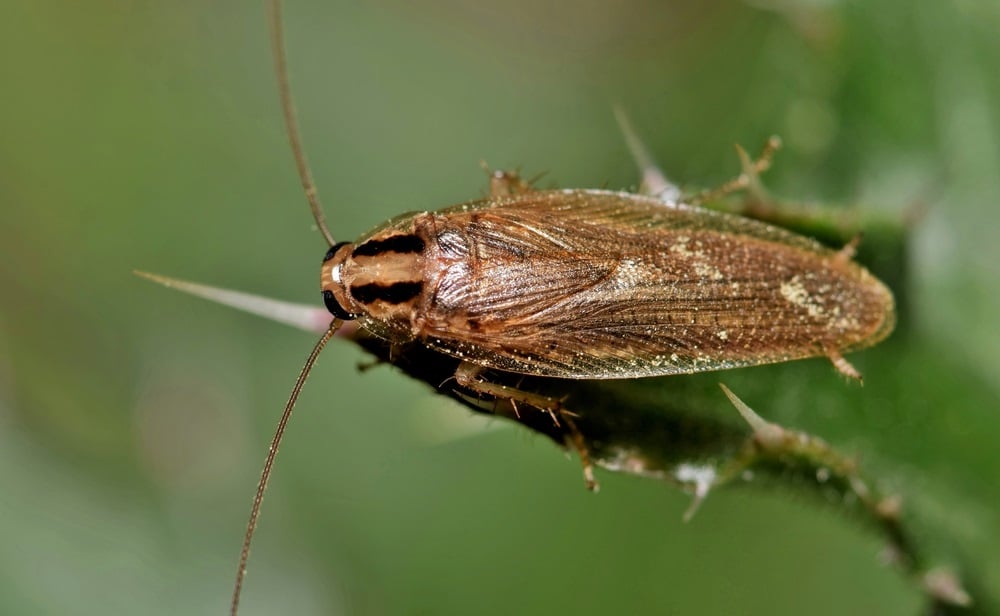
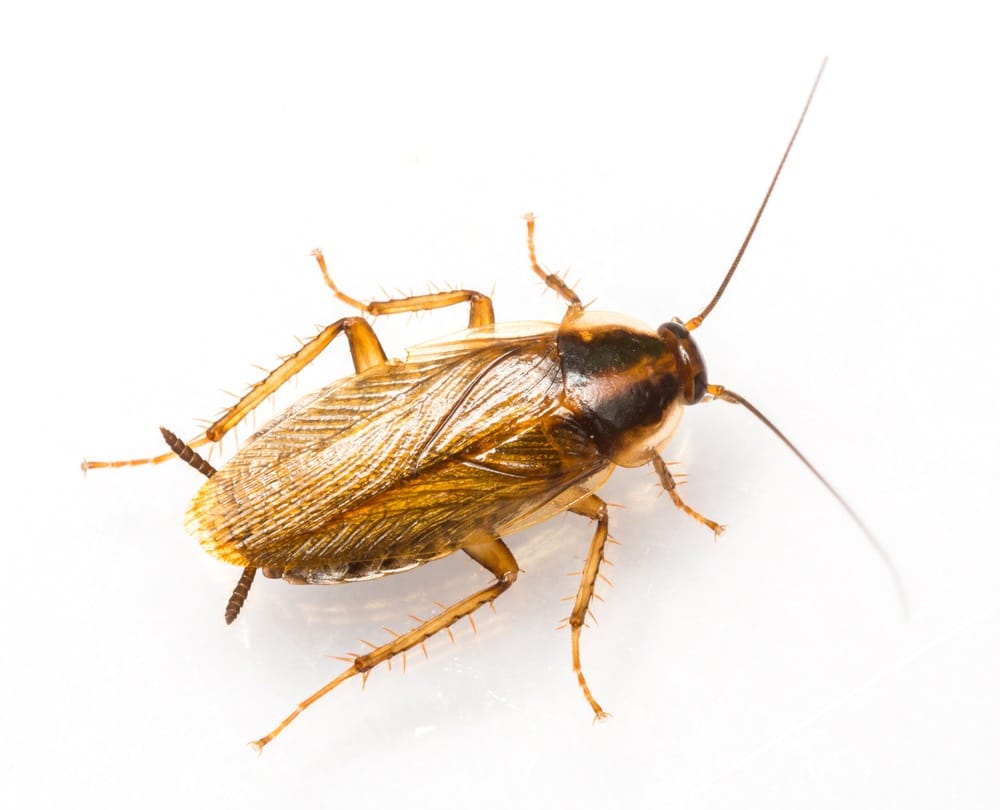
- Size: about 1/2 to 5/8 inch.
- Color: light to medium brown.
- The giveaway: two dark stripes running lengthwise on the shield behind the head.
- Wings: full-length on adults, but they don't fly.
- Nymphs: smaller and wingless.
The brown-banded cockroach is about the same size but has light bands across its wings instead of stripes behind the head, and it lives in bedrooms, closets and furniture rather than the kitchen. See the Oklahoma cockroach ID guide for every species.
Why German cockroaches are such a problem
They breed fast and year-round
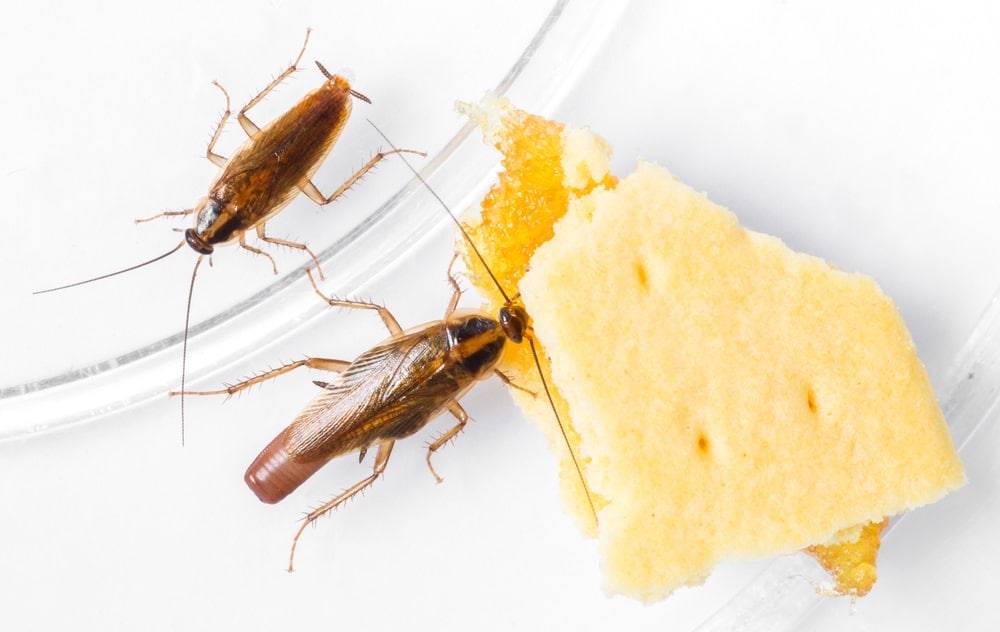
According to OSU Extension, German cockroaches breed year-round indoors and prefer humid spots around 80°F. Each egg case holds about 30 to 40 eggs, a female can produce four or five cases, and the whole cycle from egg to adult takes about three months. The female carries her egg case until it is about to hatch, which keeps the eggs protected from most treatments.
They live in cracks
Texas A&M AgriLife says German cockroaches spend about three quarters of their lives in cracks and crevices 1/32 to 3/16 inch wide: behind cabinet hinges, under the sink, inside appliance motors, behind the refrigerator and stove, in wall voids and in the corners of cabinets and drawers. They come out at night. If you see them in daylight, Texas A&M notes that usually means a large population.
They don't live outdoors
German cockroaches don't live outside in our region. They are carried in: in grocery bags, cardboard boxes, used appliances, electronics and furniture. In apartments and duplexes, the University of Kentucky notes they move between units through common walls, pipes and wiring, which is why a clean apartment can still have roaches.
Sprays and bombs push them deeper
Texas A&M says pyrethroid sprays are highly repellent to German cockroaches and that sprays are not nearly as effective as baits. The University of Kentucky says total-release foggers (bug bombs) are not recommended for cockroaches at all: the insecticide settles on open surfaces, very little reaches the cracks, and the roaches can be driven deeper into walls. Texas A&M also notes that cockroaches avoid baits contaminated by sprays or cleaners and that populations can become resistant to insecticides used over and over.
German cockroaches and health
German cockroaches move between garbage, drains and food. Texas A&M AgriLife says they transport germs and are associated with allergies and asthma. The EPA says cockroach droppings, saliva and shed skins can trigger asthma and allergies, especially in children, and that cockroaches can carry bacteria such as salmonella, staphylococcus and streptococcus into food. More in do cockroaches bite humans?
What works against German cockroaches
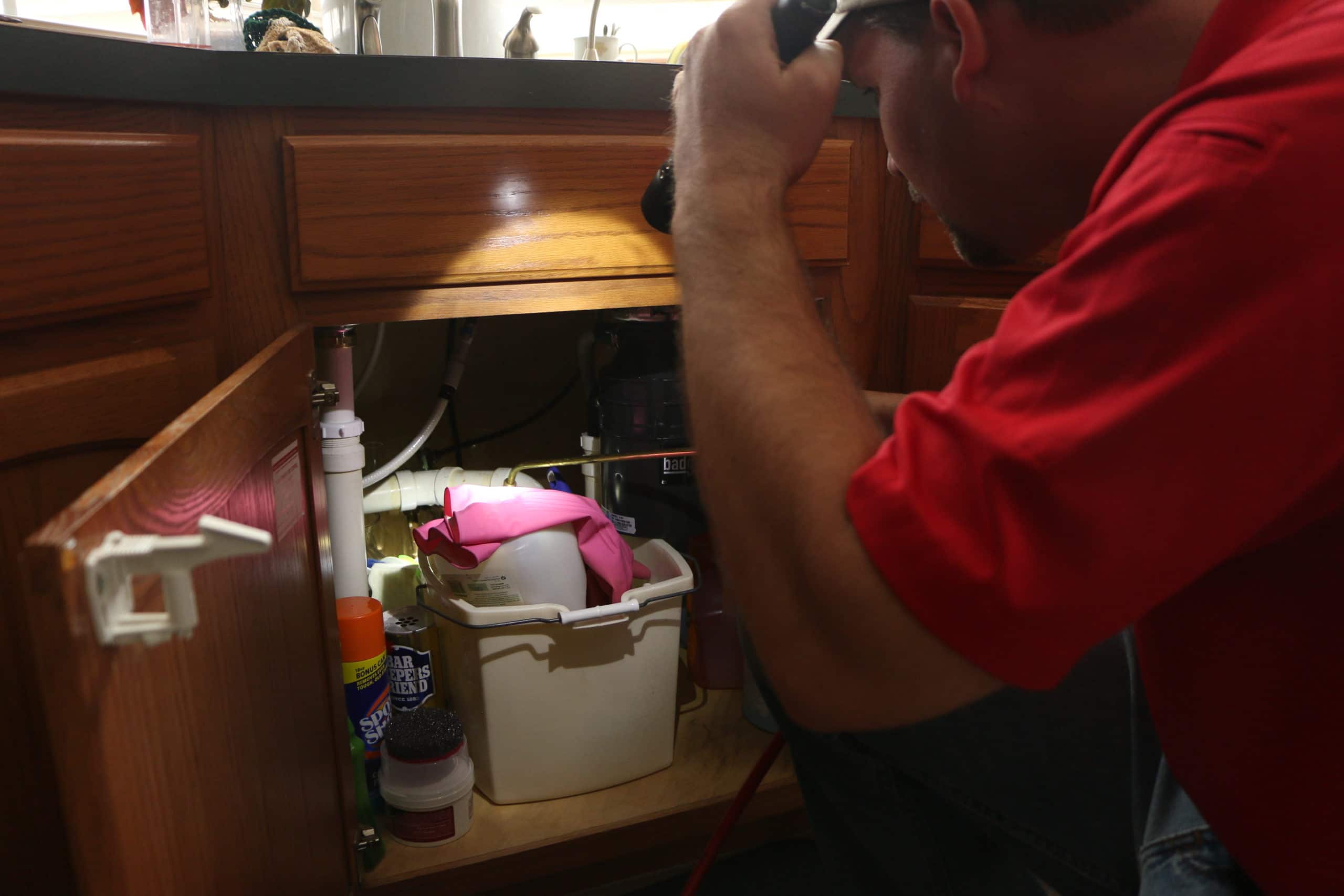
- Find where they live. Use a flashlight to check under the sink, behind and under appliances, inside cabinet hinges and corners and around plumbing. Sticky traps placed against walls and in cabinet corners show where activity is heaviest (OSU, Texas A&M).
- Cut off food and water. Don't leave dishes, food or pet food out overnight, store food in sealed containers, take out trash often and fix leaks. Clean grease and crumbs from under and behind the stove and refrigerator.
- Remove hiding spots. Get rid of stacked paper bags, cardboard and clutter, and vacuum roaches, droppings and egg cases. Texas A&M recommends a HEPA-filter vacuum because harborages hold allergens.
- Bait, don't spray. The University of Kentucky and Texas A&M both point to baits as the most effective option: many pea-sized dabs of gel bait or bait stations placed tight against corners and edges where roaches travel. Don't spray cleaners or insecticides on the bait. If baits stop working after a few weeks, switch to one with a different active ingredient.
- Dust the voids. A light, barely visible layer of boric acid dust in wall voids, behind appliances and under cabinets, applied according to the label, never on counters or food surfaces (University of Kentucky).
- Seal. Caulk cracks around sinks, cabinets and baseboards and seal gaps where pipes and wires pass through walls.
The step-by-step version, including what doesn't work, is in how to get rid of cockroaches.
When to call a professional
Small infestations caught early can often be handled with baits and cleanup. Call a professional if you see roaches during the day, if they are in more than one room, if baits haven't helped within a few weeks, if you live in an apartment or duplex where they can come from next door, or if you run a restaurant or other food business. If even a few egg cases survive, the population can rebuild in a few generations.
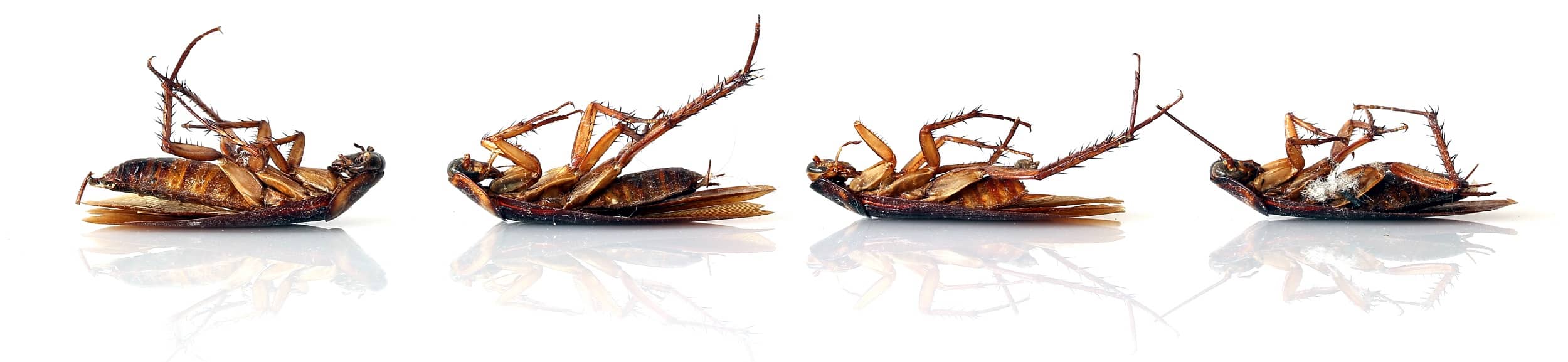
After treatment: keeping them gone
- Keep checking under sinks, behind appliances and in cabinet corners with a flashlight, and keep a few sticky traps out to catch early signs.
- Keep the kitchen clean, especially under and behind appliances, and don't leave food, dishes or pet food out overnight.
- Vacuum up dead roaches and droppings.
- Inspect boxes, used furniture and appliances before bringing them inside.
German cockroach exterminator in Tulsa and across Oklahoma
Emtec Pest Control has been getting rid of German cockroaches in Oklahoma homes and businesses since 1979. We find where they are hiding and breeding, treat those cracks, voids and appliance spaces directly with gels, dusts and liquids chosen for the situation, and tell you what to change to keep them from coming back. Ongoing preventative pest control helps catch new roaches early. If you need a cockroach exterminator in Tulsa, Broken Arrow, Owasso, Jenks, Bixby, Sand Springs, Sapulpa, Stillwater, Oklahoma City, Edmond or nearby towns, see our roach control service or contact us.
Frequently Asked Questions
What does a German cockroach look like?
A small roach, about 1/2 to 5/8 inch long, light to medium brown, with two dark stripes running lengthwise on the shield behind its head. Both sexes have wings but don't fly. Young nymphs are smaller and wingless.
Why are German cockroaches so hard to get rid of?
They breed fast, hide in cracks most of their lives, and avoid many insecticides. OSU Extension says each egg case holds 30 to 40 eggs and the life cycle takes about three months. Females carry the egg case until it is about to hatch, so the eggs are protected from most treatments, and Texas A&M notes pyrethroid sprays repel them deeper into hiding.
Do bug bombs work on German cockroaches?
No. The University of Kentucky says total-release foggers are not recommended for cockroaches because very little insecticide reaches the cracks and voids where they hide, and the spray can push them deeper into walls.
Where do German cockroaches come from?
They don't live outdoors in our area. They are carried in, in grocery bags, cardboard boxes, used appliances and furniture, or they move between apartments through shared walls, pipes and wiring.
Can German cockroaches make you sick?
They can. Texas A&M AgriLife notes German cockroaches carry germs and are associated with allergies and asthma, and the EPA says their droppings, saliva and shed skins can trigger asthma, especially in children.
Sources
- German Cockroach (Digital Diagnostics) (opens in new tab)
- Household Pest Control (EPP-7312) (opens in new tab)
- Cockroach Biology and Management (ENTO-037) (opens in new tab)
- Cockroach Elimination in Homes and Apartments (ENTFACT-614) (opens in new tab)
- Cockroaches and Schools (archived) (opens in new tab)