
How long a termite treatment lasts depends on the kind of treatment and on what happens to the house and yard afterward. A liquid treatment keeps protecting a home only as long as the treated soil around and under it stays continuous and undisturbed. A bait system like Sentricon® keeps protecting a home only as long as the stations stay in the ground and are checked. Product, soil, moisture, construction and later landscaping all play a part, which is why there is no honest one-size answer. Here is what decides it, how long treatments take to work, and the signs that protection has a gap.
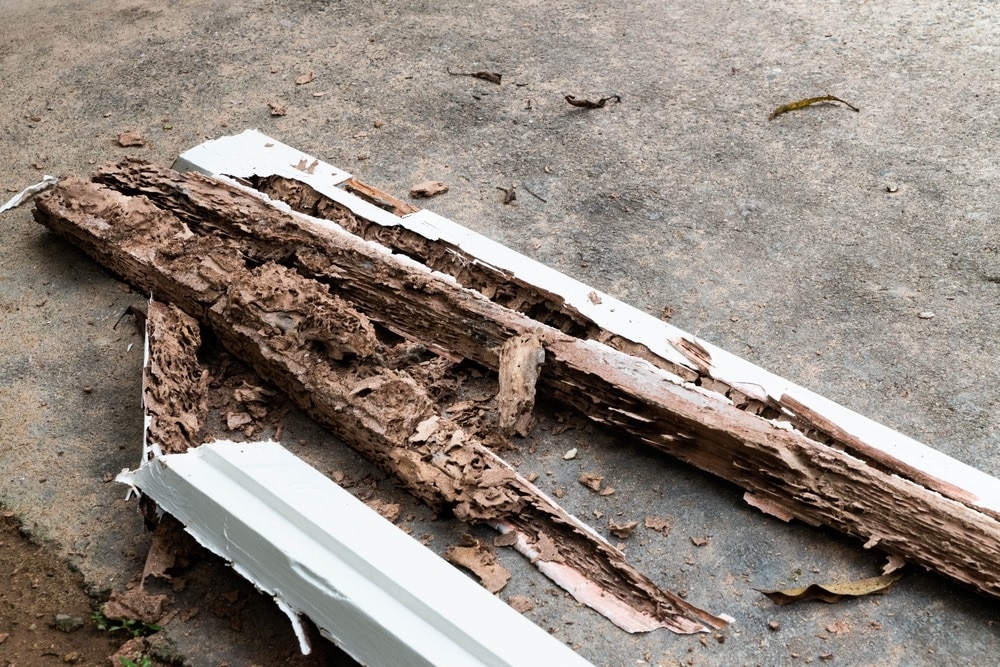
Liquid treatments: protection depends on the treated soil
A liquid treatment puts termiticide into the soil along the foundation, under the slab and in wall voids, so termites tunneling toward the house pass through treated soil. How long that protection holds depends on:
- The product and its label. Different termiticides behave differently in soil. The EPA says a product's label must include directions for protecting a structure, and products that only claim to kill termites have not shown they can protect one. You can ask your provider for a copy of the label.
- How complete the treatment was. The treated zone has to surround the whole structure (OSU Extension). The University of Kentucky says termites returning soon after treatment usually mean an untreated gap, not a product breaking down.
- Soil and site conditions. The University of Kentucky lists the region, environmental conditions, how thoroughly the job was done and how many termites are in the area as factors in how long a treatment performs.
- What happens afterward. New patios, additions, regrading, flower beds and utility work can cut through or bury treated soil. Let your provider know before major work near the foundation.
Bait systems: protection depends on the stations
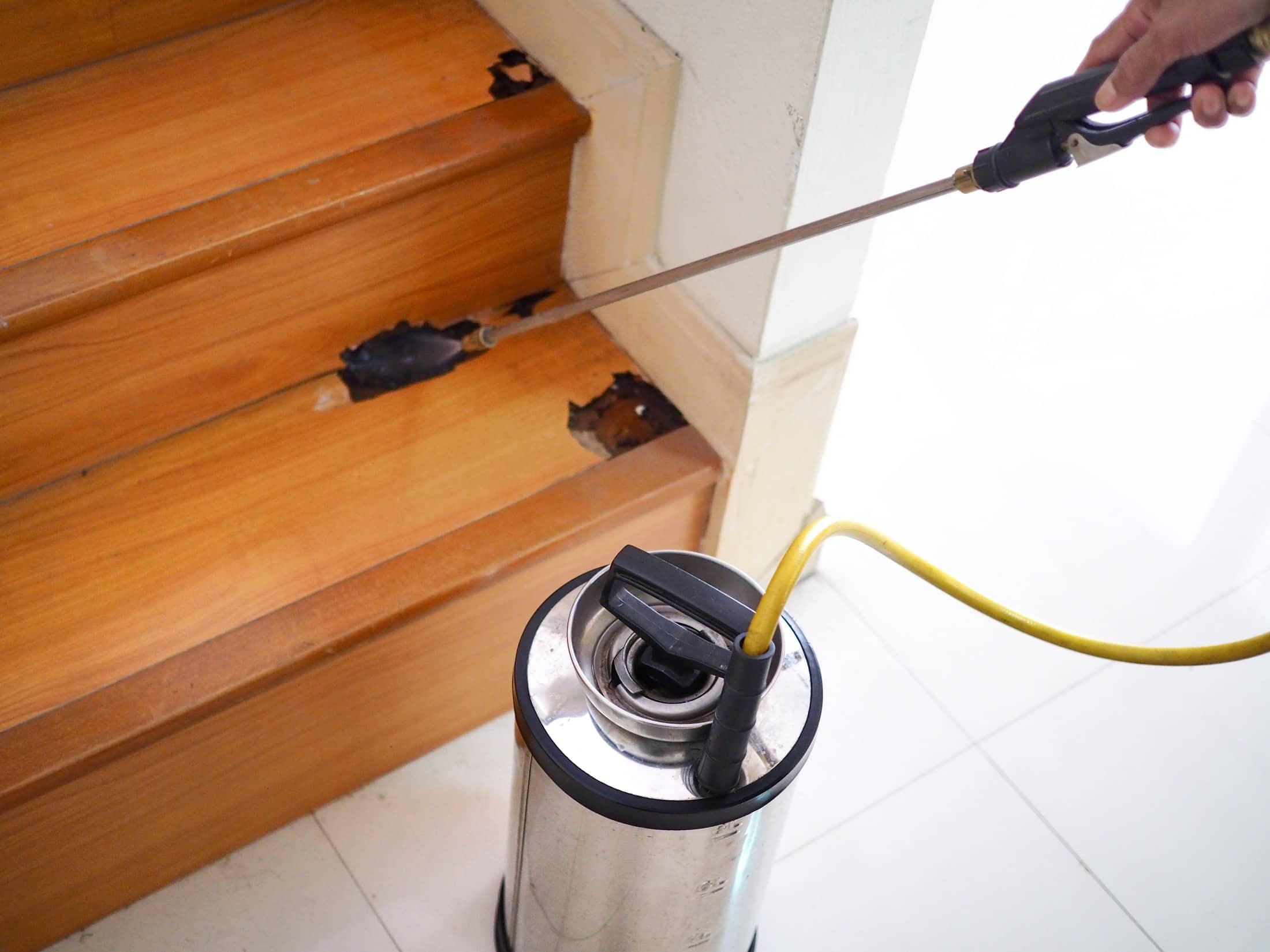
A bait system leaves no pesticide in the soil. Stations around the house hold bait that termites carry back to the colony. The University of Kentucky stresses that ongoing protection depends on the stations staying in place and being monitored, and that a full bait program includes ongoing inspection, monitoring and re-baiting as needed. If the stations are removed, buried, damaged by a mower or never checked, a new colony can move in unnoticed. See how the Sentricon system works.
How long termite treatments take to work
- Liquids work quickly. OSU Extension notes liquid treatments act fast, and the University of Kentucky says modern non-repellent products are usually reliable at controlling an infestation on the first attempt.
- Baits are slower. OSU Extension says baiting often takes two, three or up to six months, and sometimes longer, because termites have to find the stations and spread the bait through the colony. Foraging slows in winter and in very dry or saturated soil.
- Fumigation (tenting) is for drywood termites, which are not native to Oklahoma. UC IPM says the occupants, pets and plants must leave for several days. It is not used for the subterranean termites that damage Oklahoma homes.
Our older version of this article described fumigation as a soil treatment. That was wrong: fumigation fills a sealed building with gas to kill termites living inside the wood, and it doesn't protect the soil.
What helps any treatment keep working
- Fix moisture problems. OSU Extension says termites are nearly impossible to manage until moisture problems are corrected. Keep gutters clean, point downspouts away and repair leaks.
- Keep wood off the soil. Firewood, scrap lumber, mulch piled against siding and wood steps on dirt give termites a way around treated soil.
- Leave stations alone. Don't cover, move or mow over bait stations, and tell your provider before landscaping near them.
- Tell your provider about changes. Additions, new slabs, porches and decks can create untreated areas.
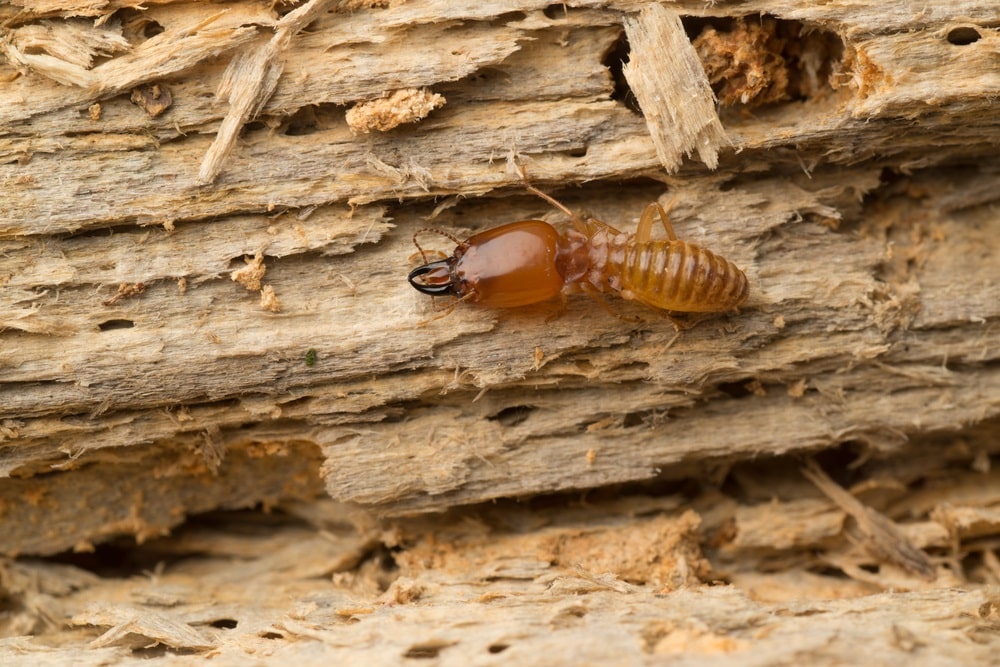
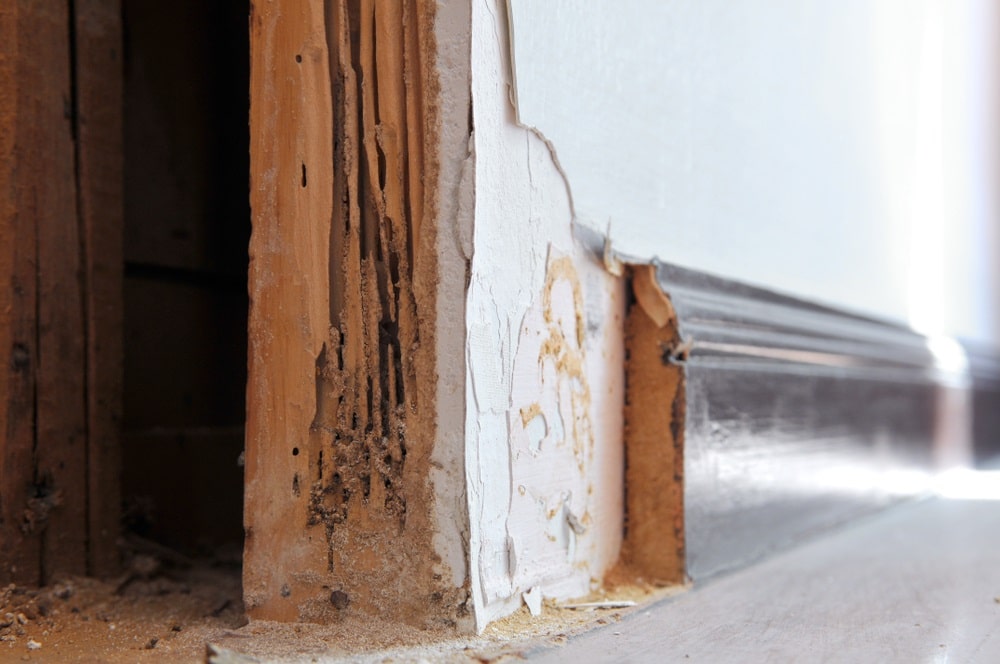
- Watch for signs. New mud tubes, swarmers indoors or fresh damage mean something needs attention. See signs of termite damage.
More on reducing risk is in what attracts termites to homes.
Questions to ask before you sign
Because how long protection lasts depends so much on the plan, OSU Extension recommends getting the details in writing and keeping copies. Ask:
- Which treatment and product will you use, and may I have the label?
- What does the plan include after the initial treatment?
- What happens if termites come back, and what does that cost?
- Does the plan cover repairs, or only re-treatment?
- What would void the plan, such as construction, landscaping or removed stations?
Compare plans, not just prices. For more on the two main treatment types, see Sentricon vs. liquid termite treatment.
Termite treatment from an Oklahoma exterminator
Emtec Pest Control has protected Oklahoma homes from termites since 1979. We explain which treatment fits your home, what it involves, what our plan includes after treatment, and what we need from you to keep protection working. For most homes we recommend the Sentricon® System. If you need a termite exterminator in Tulsa, Broken Arrow, Owasso, Jenks, Bixby, Sand Springs, Sapulpa, Stillwater, Oklahoma City, Edmond or nearby towns, see our termite control service or contact us.
Frequently Asked Questions
How long does a termite treatment last?
There is no single number. A liquid treatment works as long as the treated soil around and under the house stays continuous, and bait stations work as long as they stay in place and are checked. The product label, soil, moisture, construction and later changes to the house and yard all affect it. Ask your provider what their plan covers and for how long, in writing.
How long does it take for a termite treatment to work?
Liquid treatments act quickly, and the University of Kentucky says modern non-repellent liquids are usually reliable on the first attempt. Baits are slower: OSU Extension says baiting often takes two, three or up to six months, and sometimes longer.
Why did termites come back after treatment?
Usually because of a gap. The University of Kentucky notes that termites returning soon after a liquid treatment generally point to an untreated area rather than a product breaking down. With baits, stations that were removed, damaged or not checked can let a new colony go unnoticed. A new patio, addition or landscaping project can also disturb treated soil.
How long is a house tented for termites?
Tenting, or fumigation, is used for drywood termites, which are not native to Oklahoma. UC IPM says occupants, pets and plants must leave the house for several days during a fumigation. Oklahoma's subterranean termites live in the soil and are treated with liquids or baits instead.
Do I need to re-treat for termites?
It depends on the treatment and the plan you have. Bait programs rely on ongoing station checks and re-baiting as needed. With liquids, the question is whether the treated soil is still intact. Your provider should explain what follow-up the plan includes and what happens if termites show up again.
Sources
- Termite Control: Answers for Homeowners (ENTFACT-604) (opens in new tab)
- Termite Baits: A Guide for Homeowners (ENTFACT-639) (opens in new tab)
- Choosing a Pest Management Company to Protect Your Home Against Termites (EPP-7308) (opens in new tab)
- Termite swarming season (Pest e-Alert, May 1, 2008) (opens in new tab)
- Termites: How to Identify and Control Them (opens in new tab)
- Drywood Termites (Pest Notes) (opens in new tab)