
Snakes end up in attics because that is where the mice and rats are. In Oklahoma the snake is usually a rat snake, a nonvenomous climber that follows rodents up walls and into gaps along the eaves and roofline. It will stay as long as there is food and a place to hide. Getting rid of it for good means removing the snake, then removing the rodents and sealing the way in.
Why snakes get into attics
Rat snakes eat rodents, small birds and eggs, and they are strong climbers that often rest in trees. The Missouri Department of Conservation notes they shelter in farm buildings and can get into barns, attics and the walls of homes through gaps that are not sealed. Adult western ratsnakes typically grow 3 1/2 to 6 feet long.
When cold or wet weather pushes mice and rats into attics, a snake has every reason to follow. Warm insulation, stored boxes and a steady supply of rodents make a good place to stay.
Signs of a snake in the attic
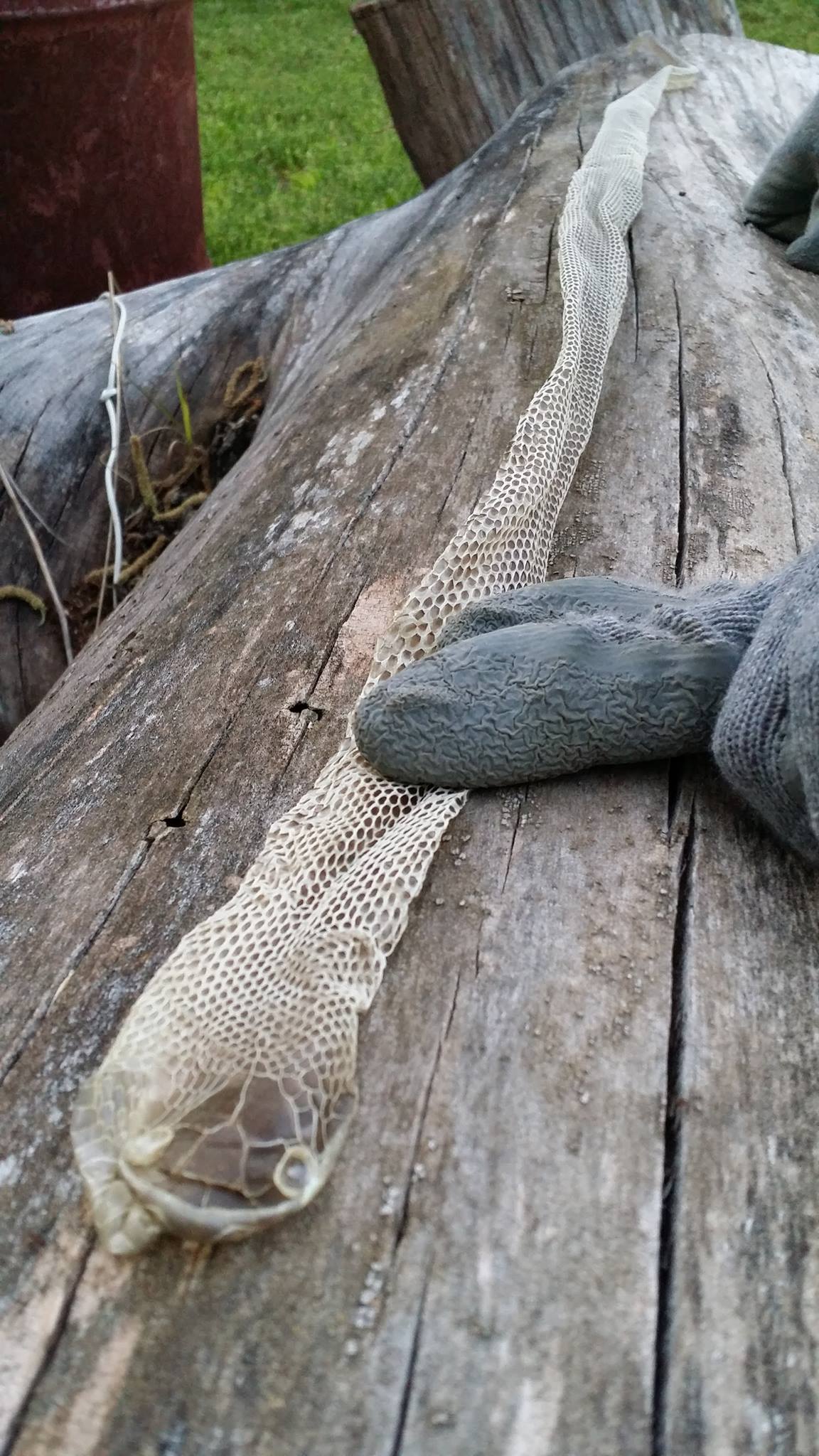
- Shed skins, often near the eaves, in insulation or behind stored boxes. This is the most common clue.
- Sliding or rustling sounds overhead. Snakes are quiet, so many people never hear one.
- Signs of rodents, which usually come first: droppings, nests, gnaw marks and scratching at night.
Snakes are shy and hide under insulation and inside boxes, so it is unlikely you will see one unless you go looking.
Is it dangerous?
Usually not. Oklahoma has more than 40 kinds of snakes, and only seven are venomous: five rattlesnakes, the copperhead and the cottonmouth, according to OSU Extension. The snakes found in attics are almost always rat snakes, which kill prey by constriction and are harmless to people. A rat snake may vibrate its tail when cornered, which sounds like a rattle, and it will bite and release a strong musk if grabbed. OSU’s advice for any snake is to leave it alone; trying to catch or kill one is often more dangerous than walking away.
How long can a snake live in an attic?
As long as it has food and shelter. A snake with mice or rats to eat and insulation to hide in can stay through a season or longer, and when the rodents run out it moves on, often to another part of the house. That is why removing the snake without fixing the rodent problem rarely ends it.
What to do if you find a snake in your attic
- Do not try to catch it. Close the attic access and keep children and pets away.
- Call a wildlife or animal control service to remove the snake.
- Find out why it was there. Look for droppings, nests and gnaw marks, and get the rodents trapped or baited.
- Seal the gaps it used. Check the eaves, soffits, gables, roof vents, the chimney and where the roof meets the walls.
What does not work
Mothballs, strobe lights, ultrasonic boxes and spicy or minty home remedies do not keep snakes out. Mothballs are pesticides labeled only for clothes moths in sealed containers. The Georgia Department of Agriculture notes they have very little effect on snakes, and scattering them in an attic is misuse that puts the fumes in your home.
Keep the rodents out and the snakes stay out
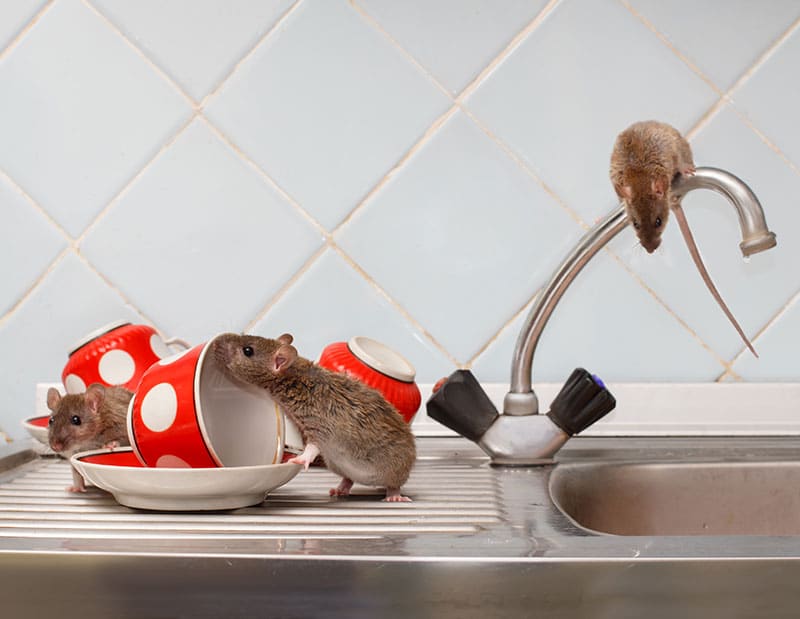
Signs of mice or rats in the attic
- Droppings about the size of a grain of rice for mice, larger and capsule-shaped for rats.
- Nests of shredded paper, cardboard or insulation.
- Rub marks, greasy smudges along beams and around holes.
- Tracks in the dust on boxes and rafters.
- Scratching and scurrying after dark, and a musky smell.
How to keep them out
- Seal gaps of 1/4 inch or more around the roofline, eaves, vents and utility lines with steel wool and caulk, hardware cloth or metal.
- Screen attic and soffit vents and keep a cap on the chimney.
- Trim tree limbs and vines back from the roof.
- Store food, pet food and bird seed in sealed containers, and keep stored items in the attic in lidded plastic bins instead of cardboard.
For step-by-step help, see how mice get into houses and how to get rid of rodents.
Rodent exterminator to keep snakes out of your attic
A snake in the attic is a sign of a rodent problem, and that is the part Emtec Pest Control fixes. Since 1979 we have been getting rid of mice and rats in homes across Green Country and Oklahoma City: we inspect the attic and roofline, trap or bait the rodents, and seal the gaps they and the snakes are using. We are the rodent exterminator for Tulsa, Broken Arrow, Owasso, Jenks, Bixby, Sand Springs, Sapulpa, Stillwater, Oklahoma City, Edmond and nearby towns. See our rodent control service or contact us to schedule an inspection.
Frequently Asked Questions
Why is there a snake in my attic?
Almost always because there are mice or rats up there. Rat snakes eat rodents, climb well, and get into attics, barns and wall voids through gaps that are not sealed, according to the Missouri Department of Conservation. Fix the rodent problem and the attic stops being worth the climb.
How long can a snake live in an attic?
As long as it has food, water and a place to hide. A snake with a steady supply of mice and rats and warm insulation to hide in has no reason to leave, which is why removing the rodents matters as much as removing the snake.
Are snakes in the attic venomous?
Rarely. The snakes that end up in attics are usually rat snakes, which are nonvenomous constrictors. Oklahoma has more than 40 kinds of snakes and only seven are venomous, OSU Extension notes. Still, do not handle any snake you cannot identify.
Do mothballs keep snakes away?
No. Mothballs are pesticides labeled for clothes moths in sealed containers. The Georgia Department of Agriculture notes they have very little effect on snakes, and scattering them in an attic is misuse that exposes your family to the fumes.
What should I do if I see a snake in my attic?
Leave it alone, close the attic access, and call a wildlife or animal control service to remove it. Then deal with the rodents that drew it in and seal the gaps along the roofline, eaves and vents.