
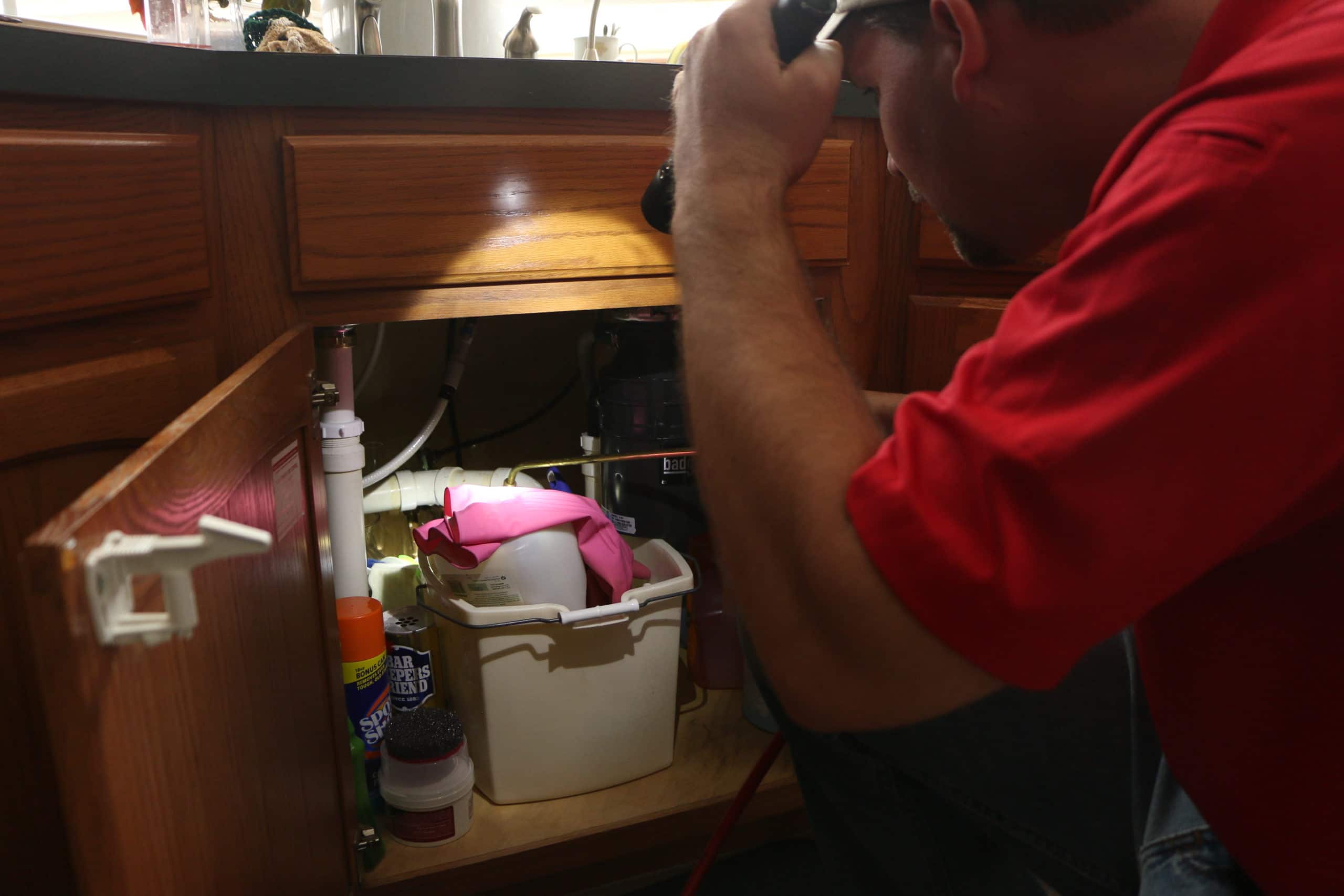
Do-it-yourself pest control works well for small problems you can identify: a few ants on the counter, a single mouse, a new wasp nest under the eaves. It struggles with pests that hide where you cannot reach, breed faster than store products can keep up with or cause damage while you experiment. This guide compares the two honestly, so you know when to grab a bait station and when to call an exterminator.
DIY vs. professional at a glance
| Do it yourself | Professional | |
|---|---|---|
| Upfront cost | Low | Higher |
| Speed to start | Today | Usually within days |
| Identification | Your best guess | Trained inspection |
| Reach | Surfaces you can see | Wall voids, attics, crawl spaces, soil, entry points |
| Products | Consumer products | Professional products and equipment, applied by trained technicians |
| Follow-up | Up to you | Return visits and adjustments |
| Works well for | Prevention, small and obvious problems | Hidden, structural, recurring or dangerous pests |
What DIY does well
Most good pest control is prevention, and most prevention is something you can do yourself:
- Sanitation. Clean up crumbs and spills, store food sealed, take out trash daily. See can a dirty home attract pests.
- Moisture control. Fix leaks, clean gutters, run a dehumidifier in damp areas and dump standing water weekly.
- Exclusion. Seal gaps around pipes and wires, add door sweeps, repair screens and close up openings mice could use.
- Yard upkeep. Trim shrubs and trees back from the house, pull mulch away from the foundation and store firewood off the ground and away from the walls.
- Traps and baits. Snap traps for an occasional mouse, sticky traps to monitor spiders and roaches, and ready-made ant baits for a small trail.
These steps cost little, use no pesticides at all and make any treatment work better.
Where DIY goes wrong
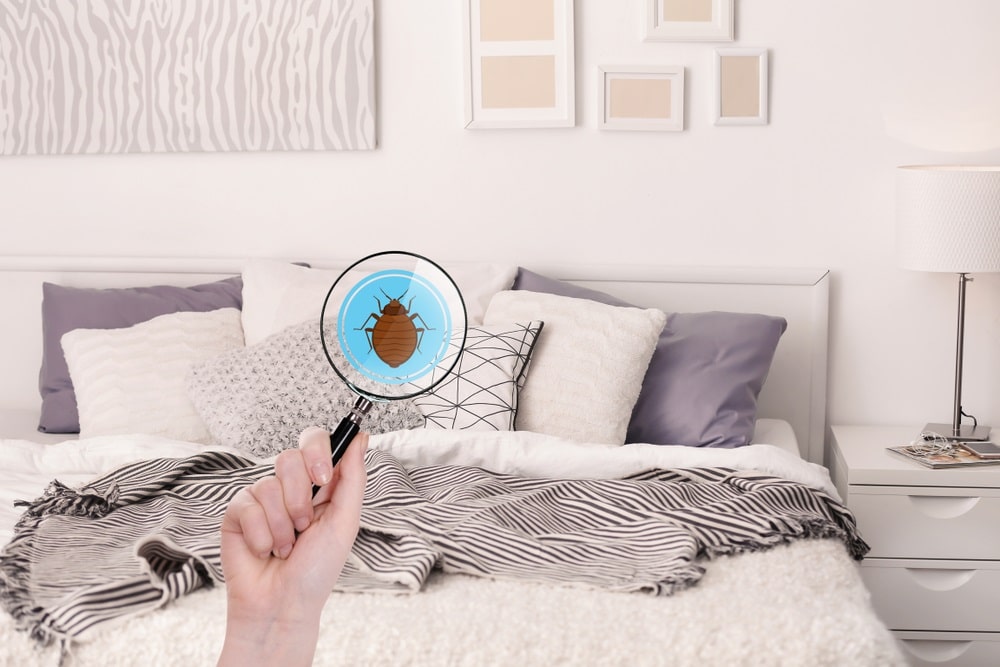
Misidentifying the pest
Different pests need different treatments. Flying ants and termite swarmers look alike but call for completely different responses; see I saw termite swarmers, now what? A product that works on one roach species can do little to another.
Treating what you can see
The roach on the counter or the ants on the floor are a small share of the problem. Sprays kill what they touch, but colonies and nests in walls, under slabs and in the soil keep going. Repellent sprays can also scatter ants and roaches into new parts of the house.
Using too much, or the wrong product
More is not better. Overapplying a pesticide, using an outdoor product indoors or mixing products raises the risk to your family and pets without improving control. The EPA's Citizen's Guide to Pest Control and Pesticide Safety covers how to choose, use, store and dispose of pesticides safely.
Waiting too long
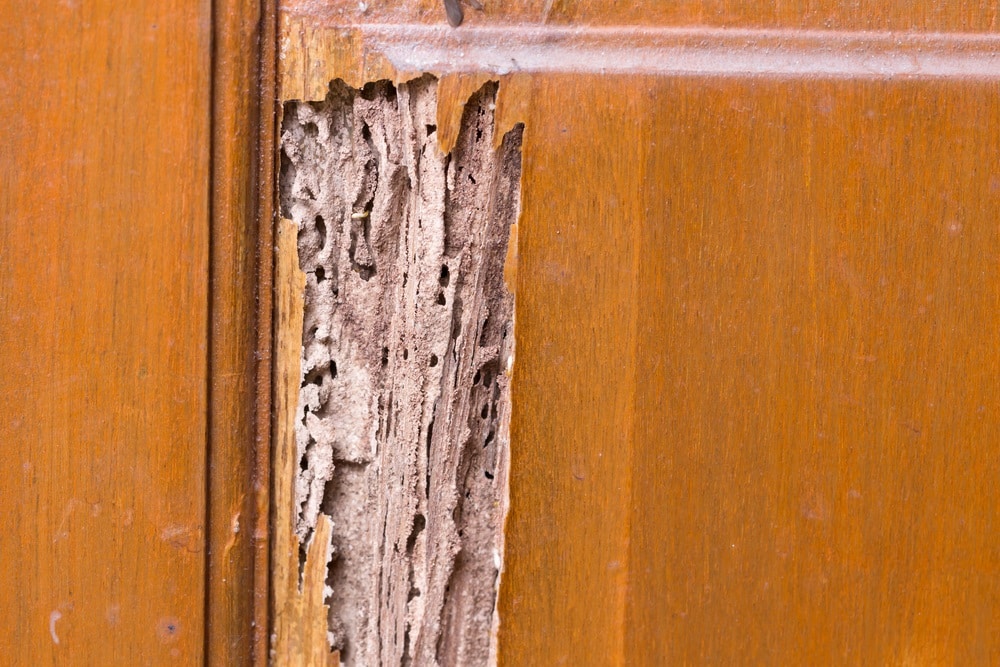
Termites and carpenter ants keep damaging wood while you try one product after another, and German cockroaches and mice multiply fast. A problem that would have taken one visit can take several.
Home remedies and gadgets that do not work
- Ultrasonic plug-ins. University of Arizona Extension sums up the research: rodents and insects kept living and breeding next to these devices, and the Federal Trade Commission charged several makers with false advertising in the 1980s. Most pests hear roughly the same range we do, so a sound that does not bother you is unlikely to bother them.
- A bag of water with pennies to repel flies. A popular picnic trick with no scientific support.
- Cucumber peels for roaches. Another folk remedy with no evidence behind it.
- Boiling water on ant mounds. It can kill the ants it reaches, but colonies run deep and the queen often survives. It also kills the grass and risks serious burns.
- Foggers as the only treatment. Mist settles on open surfaces; roaches and other pests hide in cracks and voids where it does not reach.
- Mothballs, peppermint oil and other smells for mice. Mice do not stay away for long; sealing entry points and trapping work. See how to get rid of rodents.
- Homemade garlic or pepper sprays. They may irritate some garden insects on contact, but they do not reach hidden pests and can irritate your eyes and skin.
Are natural and organic products better?
Sometimes, but the label "natural" does not tell you much. Some products are on the EPA's list of minimum risk pesticides, which are exempt from federal registration because their ingredients are considered to pose little to no risk. That exemption is about safety, not about how well a product controls pests. Natural ingredients can still irritate skin, eyes and lungs or harm pets, so read the label either way.
The approach that really reduces pesticide use is integrated pest management (IPM): identify the pest, remove the food, water and shelter it depends on, seal it out, use traps and baits where possible and apply targeted treatments only where they are needed. That is the same approach a good pest control company uses. The EPA's asthma guidance makes a related point: pesticides can harm people too, so choose pest management methods that pose less risk.
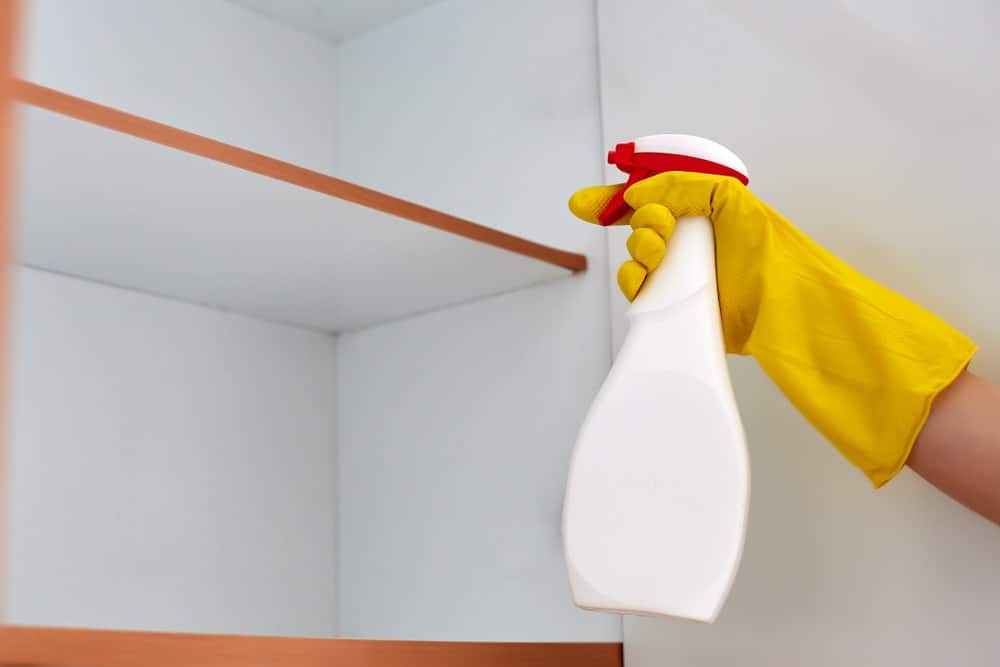
How to use store-bought pesticides safely
- Read the whole label before you buy and again before you use it. It tells you which pests and places the product is for, how much to use and how long to keep people and pets away.
- Use the least you need, only where the label allows and only for the pest on the label.
- Keep children and pets out of treated areas until sprays have dried, or longer if the label says so. Cover or remove pet bowls, toys and aquariums.
- Place baits and traps out of reach of children and pets.
- Store products in the original container, locked up and away from food. Never pour pesticide into a drink bottle.
- Do not use outdoor products indoors, and never mix products.
- Dispose of leftovers the way the label directs, not down the drain.
Exposure emergency? Call 911 if someone has trouble breathing or collapses. For a swallowed product or a splash in the eyes or on the skin, Poison Help is free at 1-800-222-1222; have the product label in hand. If a pet may have eaten a pesticide or rodent bait, call your veterinarian or the ASPCA Animal Poison Control Center at 888-426-4435. This article is general information, not medical advice.
Who regulates pesticides?
The U.S. Environmental Protection Agency registers pesticides and approves their labels, and the directions on the label are legally binding. In Oklahoma, the Department of Agriculture, Food and Forestry (ODAFF) oversees pesticide use and licenses the companies and applicators who apply pesticides for hire. ODAFF's Consumer Protection Services division takes complaints about pesticide misuse. Before you hire anyone, ask for their Oklahoma pesticide license number; see how to choose the right pest control provider.
When to call a professional
- Termites, swarmers indoors or mud tubes on the foundation. See termite control and signs of termite damage.
- German cockroaches, or roaches seen in daylight. See roach control.
- Rodents in walls, attics or crawl spaces, or droppings that keep reappearing. See rodent control.
- Brown recluses, which are hard to eliminate and often need more than one treatment.
- Wasp or yellowjacket nests near doors, in walls or in the ground, or anyone in the house who is allergic to stings.
- Anything that keeps coming back after two honest DIY attempts, or that you cannot identify.
No single product fixes everything
There is no universal treatment. Ants, roaches, termites, rodents, spiders and mosquitoes live differently, eat differently and need different products in different places. Professional technicians start with an inspection to learn which pest it is, where it is living and how it is getting in, then build a plan around that. For a feel for how each pest develops, see the lifecycle of common Oklahoma pests.
Need a hand? Call an Oklahoma exterminator
Keep doing the prevention; it helps no matter who treats your home. When a problem outgrows the store shelf, Emtec Pest Control has been doing this since 1979. Our technicians in the red shirts inspect first, treat where the pests actually live and tell you what you can do between visits. Our preventative pest control plan starts with an initial service and continues with return visits. We are the exterminator for Tulsa, Broken Arrow, Owasso, Jenks, Bixby, Sand Springs, Sapulpa, Stillwater, Oklahoma City and Edmond. Contact us to schedule a visit.
Frequently Asked Questions
Is DIY pest control cheaper than hiring a professional?
For a small, one-time problem, usually yes. For termites, German cockroaches, rodents in the walls or a problem that keeps returning, DIY often costs more in the end: products that do not reach the source, repeat purchases and damage that keeps growing while you experiment.
Do ultrasonic pest repellers work?
Research does not support them. University of Arizona Extension summarizes studies where rodents and insects kept living and breeding next to the devices, and notes the Federal Trade Commission charged several makers with false advertising in the 1980s. Sealing gaps, sanitation and traps work far better.
Are natural or organic pesticides safer?
Not automatically. Natural ingredients can still irritate skin, eyes and lungs or harm pets, and some products sold as natural have little evidence that they control pests. Read the label, follow it exactly and judge a product by its directions and warnings, not the word "natural" on the front.
What pests should I not try to treat myself?
Termites, German cockroach infestations, rodents living in walls or attics, brown recluse spiders, large or hidden wasp and yellowjacket nests, and any infestation you cannot identify. These need an inspection, the right products in the right places and usually more than one visit.
Do bug bombs and foggers get rid of roaches?
Rarely. Fogger mist settles on open surfaces, while roaches hide in cracks, behind appliances and inside walls where it does not reach. Baits placed where roaches feed, along with cleaning and sealing, work much better. Foggers are also a fire risk if used near pilot lights or sparks, so follow the label closely if you use one.
Sources
- Citizen's Guide to Pest Control and Pesticide Safety (opens in new tab)
- Minimum Risk Pesticides Exempted from FIFRA Registration (opens in new tab)
- Ultrasonic Pest Control is Ineffective (opens in new tab)
- Asthma Triggers: Gain Control (opens in new tab)
- Pesticide Complaint Statement (opens in new tab)