
Nearly every termite problem in an Oklahoma home comes from native subterranean termites, and the most common by far is the eastern subterranean termite (Reticulitermes flavipes). These termites live in the soil, travel in mud tubes and eat wood from the inside out. This guide covers the termites that live in Oklahoma, how to identify each caste, how to tell a termite from a flying ant, and a few termites people ask about that are not actually found here.
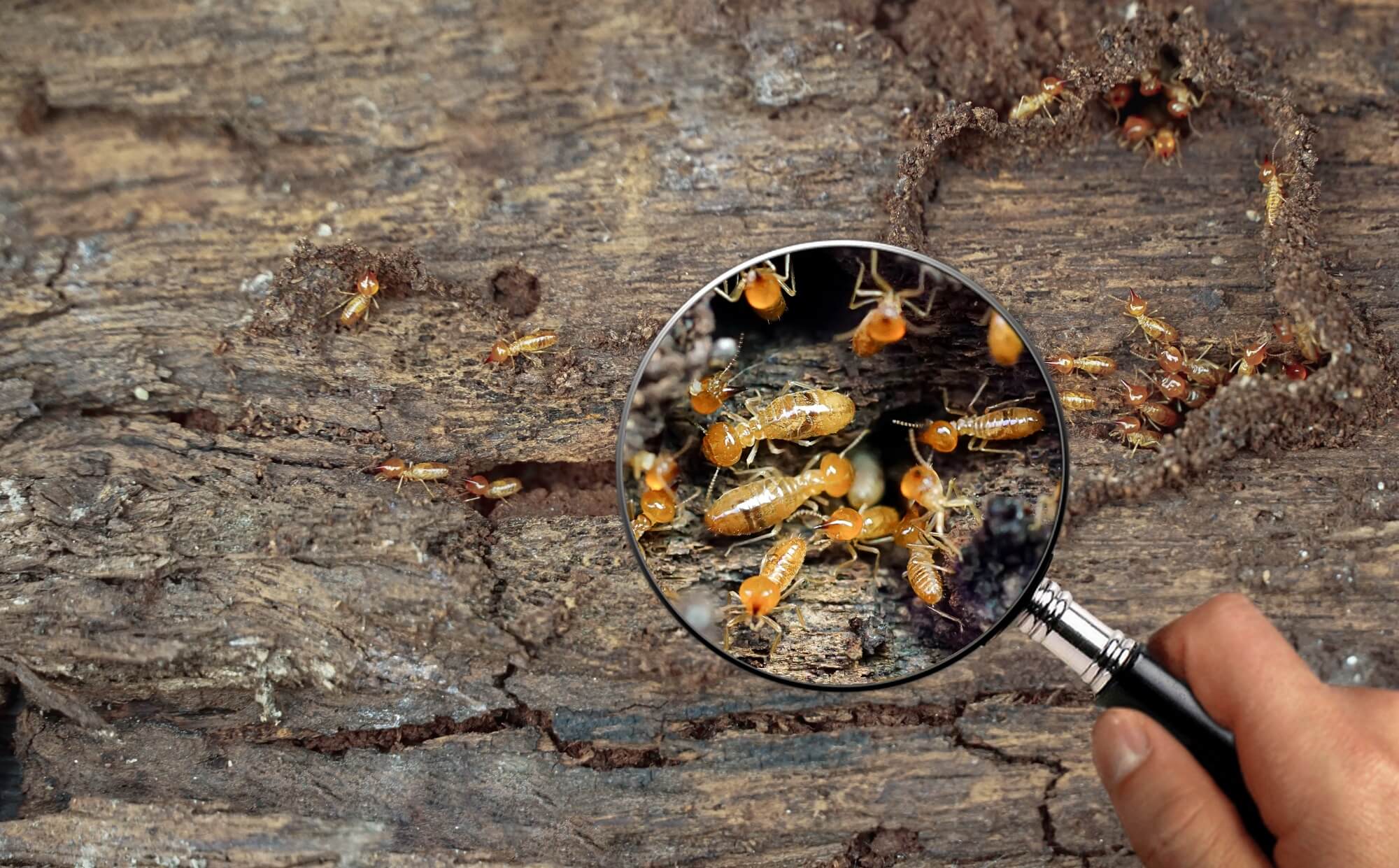
Oklahoma termites at a glance
| Termite | Found in Oklahoma? | Damages homes? | Notes |
|---|---|---|---|
| Eastern subterranean | Yes, statewide | Yes | By far the most common species in OSU surveys |
| Dark southern, light southern, arid-land subterranean | Yes | Yes | Same habits as the eastern subterranean; less common |
| Desert (grass-feeding) termite | Southwest Oklahoma pastures | No | Eats grass, not wood |
| Formosan subterranean | Not found in OSU surveillance | Yes, where established | Invasive; established along the Gulf Coast |
| Drywood and dampwood | Not native | Rarely here | Occasionally shipped in with lumber or furniture |
Termites live in every Oklahoma county
Oklahoma State University Extension says termites are present in every county in the state. The pressure is heaviest in southeast Oklahoma and generally eases toward the north and west, where winters are colder and the climate is drier. OSU also notes that termites live in Oklahoma soils so widely that an attack on a new wooden structure can begin within a year of construction.
Outdoors, termites are useful. OSU describes them as recyclers of dead wood that aerate the soil and feed many other animals. The trouble starts when a colony finds the wood in your house.
Eastern subterranean termite
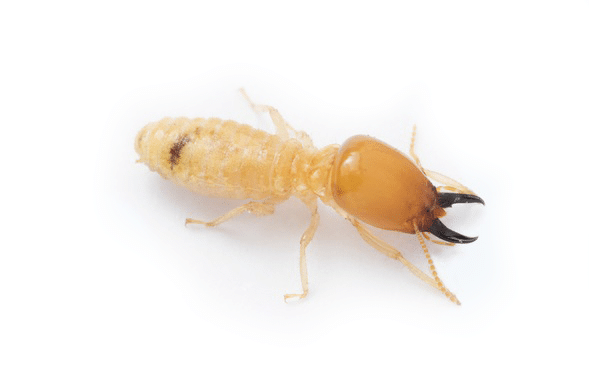
The eastern subterranean termite is the termite most Oklahoma homeowners deal with. In a survey published in Florida Entomologist, it made up 43 of 55 termite samples collected across 16 Oklahoma counties, and the researchers concluded it has been spread around the state by people because it travels with structures and wood.
A single colony can hold hundreds of thousands to a million termites and forage up to about 150 feet from the nest, according to UF/IFAS entomologists. The colony lives in the soil and reaches wood above ground through cracks, joints and the mud tubes it builds. Workers eat the softer wood between the grain lines and leave the outer surface in place, so damage often stays hidden for years.
The castes: what each termite looks like
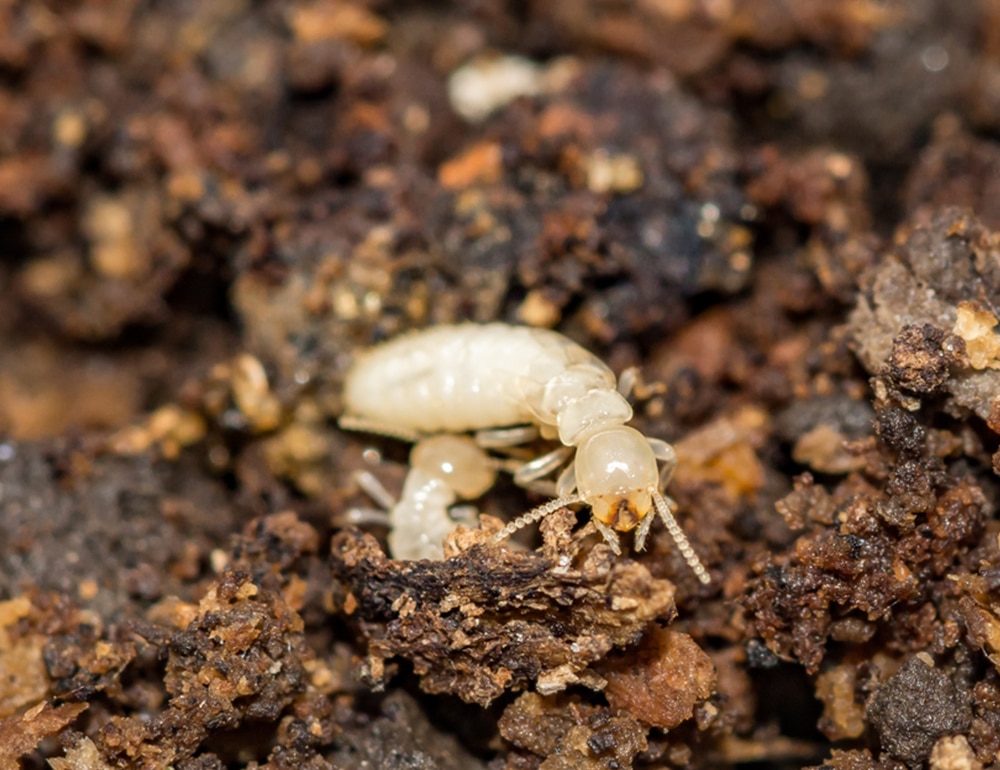
- Workers: creamy white, soft-bodied, wingless and blind, about 1/4 to 3/8 inch long (Texas A&M AgriLife). They are the largest group in the colony and do all the feeding and tunneling, so they cause the damage.
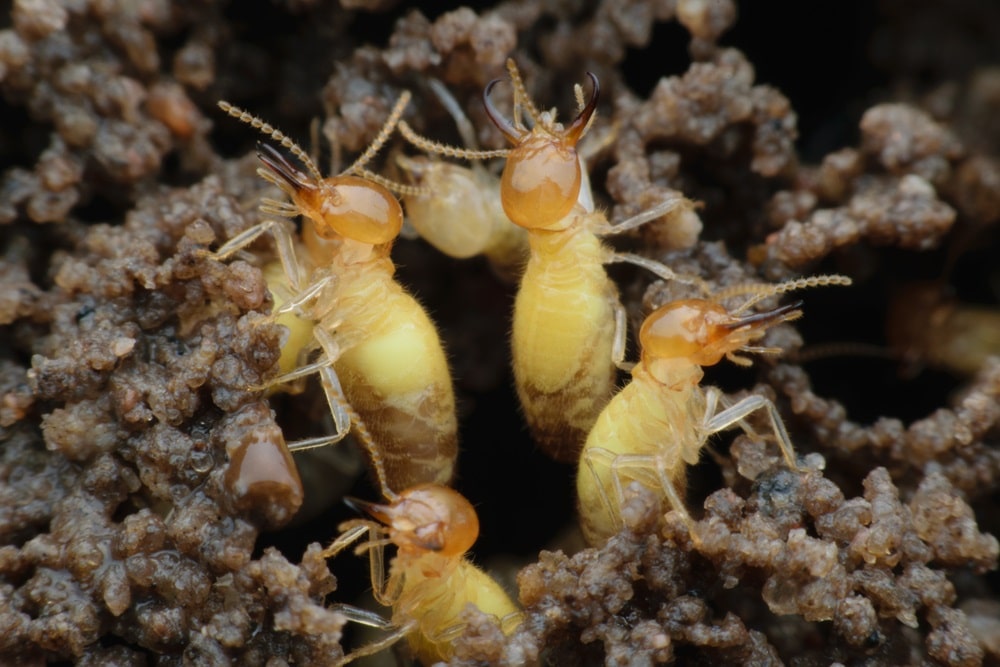
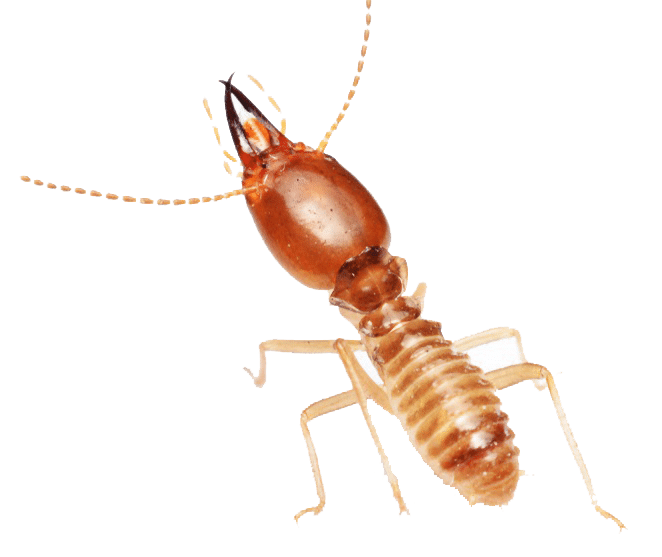
- Soldiers: shaped like workers but with a larger, brownish head and strong jaws for defending the colony. They are only a small share of the colony.
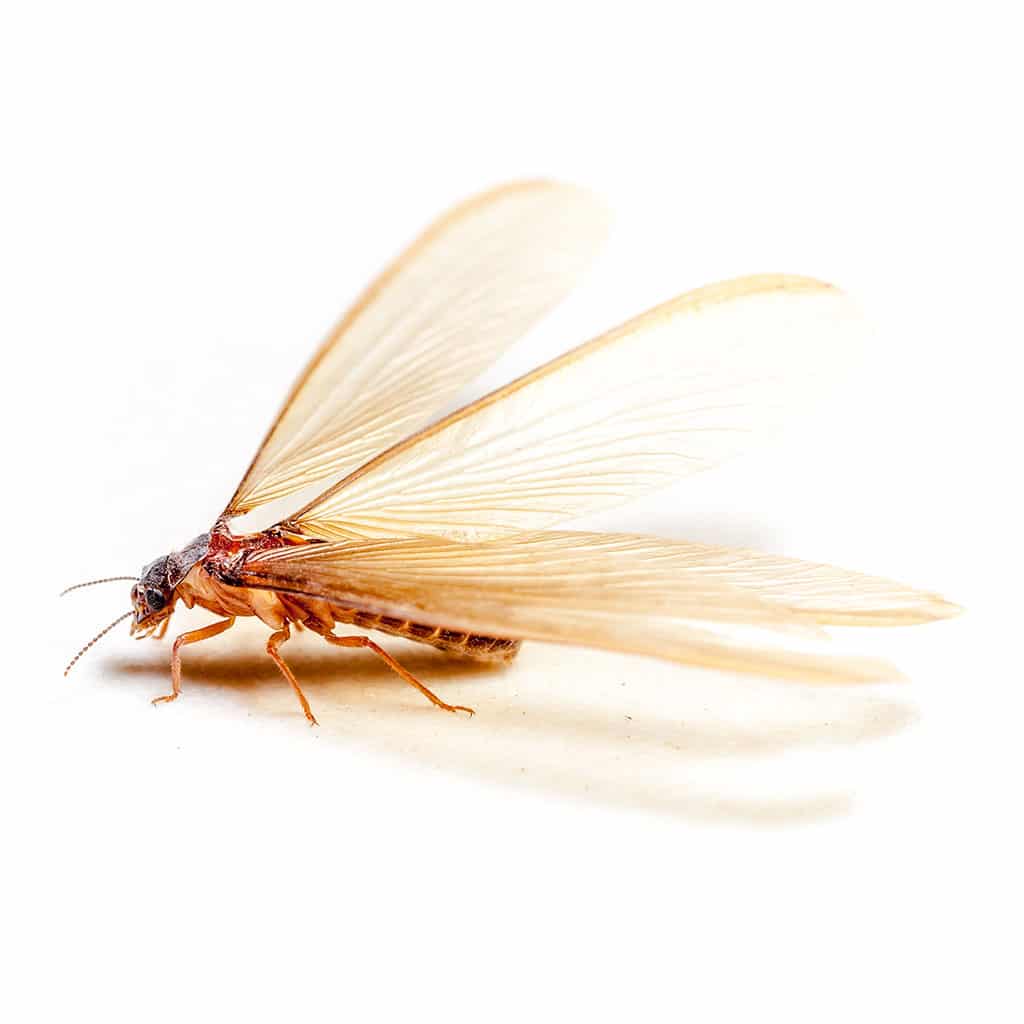
- Swarmers (alates): the winged kings and queens. They are dark brown to almost black, about 3/8 inch long with their wings, and have two pairs of wings of equal size that extend well past the body.
- The king and queen: the colony's founders, which stay hidden in the nest. If the queen dies, other members of the colony can develop into replacement reproductives.
Termites are not white ants. They have no pinched waist, and their body is about the same width from front to back. Their closest relatives are actually cockroaches.
How a colony grows
After a swarm, a king and queen shed their wings, find moist soil or wood and start a new colony. It grows slowly. UF/IFAS entomologists say it can take five to ten years before a new colony is mature enough to produce swarmers of its own. That is why a swarm is a sign of an established colony, not a new one.
How termites find their way
Workers are blind. They find food by tunneling through the soil, and once one finds food, others in the colony follow it there and share what they gather with their nestmates. They also need humid air. Their mud tubes keep them moist and shield them from heat, cold and predators while they travel between the soil and the wood they are eating.
Other subterranean termites in Oklahoma
OSU termite surveys collected three more native subterranean termites in the same genus:
- Dark southern subterranean termite (R. virginicus): swarmers are dark brown to black and slightly smaller than eastern subterranean swarmers.
- Light southern subterranean termite (R. hageni): swarmers are yellowish brown.
- Arid-land subterranean termite (R. tibialis): a termite of drier western habitats.
All three live and feed like the eastern subterranean termite, and they are treated the same way. Even entomologists usually need swarmers and a microscope to tell the species apart, so for a homeowner the important question is not which species it is, but whether termites are in the house.
The desert termite: the one that eats grass
Southwest Oklahoma also has Gnathamitermes tubiformans, a grass-feeding desert termite. OSU Extension reports it in pastures and along fence lines in counties such as Cotton and Tillman, where it builds mud tubes and plaster over grass stems and can leave bare patches in grazed pastures. OSU is clear that it does not attack wooden structures. Its swarmers are pale rusty tan and usually fly after a summer rain around sunset.
Are there Formosan termites in Oklahoma?
Our older version of this article listed Formosan termites as an Oklahoma species. That was wrong. The Formosan subterranean termite is an invasive species from East Asia that is established in Gulf Coast states. Oklahoma State University started a statewide surveillance program for it in 2005, placing monitors across southern Oklahoma and inspecting imported landscape timbers and railroad ties. Its published reports had not found Formosan termites in Oklahoma, though the researchers expected the species to arrive eventually. Texas A&M AgriLife notes that termites can spread in reused infested wood such as landscape timbers, so be cautious about bringing in old timbers from the Gulf Coast.
Drywood and dampwood termites
Drywood and dampwood termites live inside wood instead of in soil. OSU researchers note that neither is native to Oklahoma, but both are occasionally shipped in with lumber or furniture from western states.
- Drywood termites push hard, six-sided fecal pellets out of tiny holes in the wood they infest, according to UC IPM. Small piles of pellets below a piece of furniture are the classic sign.
- Dampwood termites are larger and need wood that stays wet. They are a West Coast pest, and correcting the moisture and replacing the wet wood is the usual fix.
If you see pellets or sawdust-like piles in an Oklahoma home, drywood termites are possible but unlikely. Powderpost beetles and carpenter ants are more common causes. Our signs of termite damage guide explains how to tell them apart.
Termites vs. flying ants
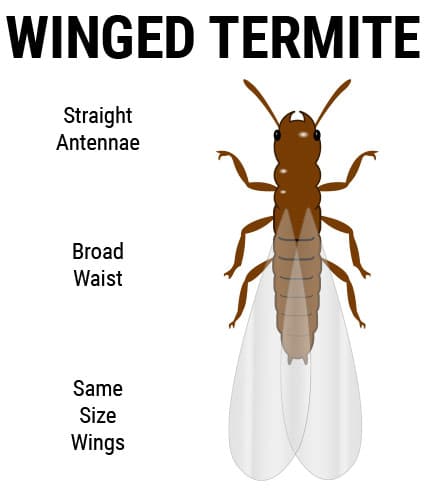
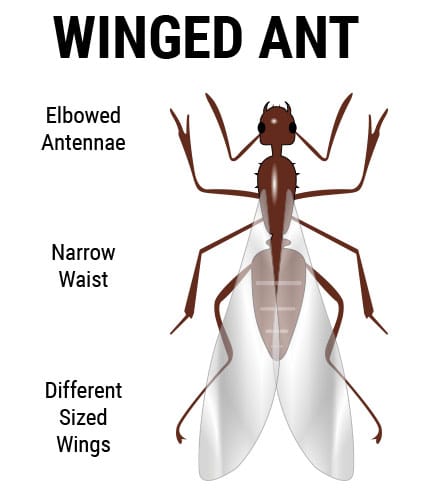
Termite swarmers and flying ants show up at the same time of year and are both dark. OSU Extension and the EPA point to three differences:
| Termite swarmer | Flying ant | |
|---|---|---|
| Waist | Broad, no pinch between body sections | Narrow, pinched waist |
| Antennae | Straight and beaded, like a string of pearls | Bent at a sharp elbow |
| Wings | Two pairs the same size and shape, longer than the body | Front wings larger than the back wings |
Termite swarmers also drop their wings quickly, so you may find wings on a windowsill with no insects in sight. For side-by-side photos, see our ants vs. termites page and the Oklahoma ant ID guide.
Common termite myths
- "They swarmed, so they're gone." A swarm comes from a mature colony that stays behind. Swarmers inside a home almost always mean an infestation, according to OSU Extension and the University of Kentucky.
- "My house is brick, so it's safe." Brick and stone homes are framed with wood, and subterranean termites reach it through cracks, expansion joints, utility openings and mud tubes.
- "I'd see termite damage right away." Termites eat wood from the inside and leave the surface intact, so damage can go unnoticed for years.
- "Insurance will cover it." Standard homeowners policies usually exclude termite damage because insurers treat it as preventable. Check your policy.
- "A hardware store product will take care of it." Retail products seldom eliminate an existing infestation, and OSU does not recommend do-it-yourself or over-the-counter termite baits. Electronic and ultrasonic devices have not been shown to control termites.
Why termites matter
The EPA says termites cause billions of dollars in structural damage in the U.S. every year. They work slowly, so finding them early makes a big difference. If you see mud tubes, swarmers or damaged wood, read what to do when termites swarm and what attracts termites to homes, and have the house inspected. Our termite inspection guide explains what we look for. And if you have kids who like bugs, meet Woody and Stump, our termite mascots.
Termite exterminator in Oklahoma
Emtec Pest Control has protected Oklahoma homes and businesses from termites since 1979. When you call us, a technician inspects the house and yard, confirms whether the insects are termites, finds where they are getting in and explains your treatment options, including the Sentricon® System that Emtec has long recommended. We are the termite exterminator for Tulsa, Broken Arrow, Owasso, Jenks, Bixby, Sand Springs, Sapulpa, Stillwater, Oklahoma City, Edmond and nearby towns. See our termite control service or contact us to schedule an inspection.
Frequently Asked Questions
What kind of termites are in Oklahoma?
Native subterranean termites. Oklahoma State University surveys found four species in the genus Reticulitermes: the eastern subterranean termite, which was by far the most common, plus the dark southern, light southern and arid-land subterranean termites. A grass-feeding desert termite also lives in southwest Oklahoma pastures, but it does not attack buildings.
What do termites look like in Oklahoma?
Workers are creamy white, soft-bodied and wingless, about 1/4 inch long. Soldiers look similar but have a larger, brownish head with strong jaws. Swarmers are dark brown to black, with two pairs of wings the same size that extend past the body. Most people only ever see the swarmers or the mud tubes.
Are there Formosan termites in Oklahoma?
Not as far as published surveys show. Oklahoma State University started a statewide Formosan termite surveillance program in 2005, and its reports had not found the species in Oklahoma, though the researchers expected it to arrive eventually.
Are dampwood or drywood termites found in Oklahoma?
They are not native. OSU researchers note that they are occasionally brought into Oklahoma in lumber or furniture shipped from western states, but the termites that damage Oklahoma homes are subterranean termites that live in the soil.
Are termites blind?
The workers are. Texas A&M AgriLife describes worker termites as blind and wingless. They find food by tunneling through the soil, and once one worker finds food, others in the colony follow it there. The swarmers, which have to fly and find a mate, are the ones most people actually see.
Sources
- Choosing a Pest Management Company to Protect Your Home Against Termites (EPP-7308) (opens in new tab)
- Termite swarming season (Pest e-Alert, May 1, 2008) (opens in new tab)
- Pasture-damaging grass-feeding termites of southwest Oklahoma (Pest e-Alert, 2017) (opens in new tab)
- Distribution and genetic variation of Reticulitermes in Oklahoma (opens in new tab)
- Survey and morphology of Oklahoma termites (Brown, Kard and Doss) (opens in new tab)
- Oklahoma Formosan subterranean termite surveillance program and termite survey (Smith, Smith and Kard) (opens in new tab)
- Native Subterranean Termites (EENY-212) (opens in new tab)
- Subterranean Termites (E-368) (opens in new tab)
- Termites: How to Identify and Control Them (opens in new tab)